**** Learn the real cost of plumber per hour and plumbing services cost in Toronto. Get clear insights into repair estimates and how to plan your budget.**** Uncategorized Articles - Page 7 of 23 - POM Plumbing Blog

Understanding the Costs of Plumbing Repairs and Replacements

Plumbing is one of those essential home systems that you rarely think about until something goes wrong. At that moment, the main question is simple: how much does a plumber cost? The answer depends on the type of work, time of day, and whether it involves a minor leak or a full replacement project. This guide explains typical plumbers charges, what factors influence pricing, and how to plan your budget for both small and large jobs in Toronto and across Canada.

Beyond the immediate repair, homeowners should also consider long-term maintenance, since ignoring small issues can quickly multiply costs. Regional variations also play a role, with labor fees in larger cities often higher than in suburban or rural areas. Understanding these differences makes it easier to anticipate expenses before an emergency strikes.

Average Plumbing Repair Prices

The cost of plumbing repairs varies widely. A simple dripping faucet might cost less than $200, while repairing a sewer line can reach several thousand. Homeowners should be prepared for the fact that plumbing services involve both labor and materials, which together shape the final bill.

In addition to these direct costs, service call fees or diagnostic charges may be applied before any repair begins. It’s also common for prices to increase if a job requires specialized equipment, such as video inspection tools or power flushing machines. Comparing estimates from different providers helps homeowners better understand how much of the total is labor and how much is related to replacement parts.

Cost of Plumber Per Hour

Most companies charge by the hour. The cost of plumber per hour in Toronto typically ranges between $90 and $150. This range covers standard tasks like fixing leaks, unclogging drains, or replacing small parts. Complex jobs or emergency calls may push the rate higher.

Rates may also vary depending on the plumber’s level of certification. Apprentice plumbers often charge at the lower end, while licensed master plumbers command premium rates due to their expertise and ability to handle complicated projects. Some companies also include minimum-hour charges, meaning you may pay for a full hour even if the repair takes less time.

Plumber Fees: Hourly vs. Flat-Rate

There are two main billing approaches:

  • Hourly billing – The customer pays based on time spent. Plumber fees per hour are higher during evenings, weekends, and holidays.
  • Flat-rate service – A fixed price is quoted before work begins. Flat rates are common for straightforward tasks like fixture replacement.

Understanding these models helps you compare quotes and avoid unexpected expenses.

In practice, many homeowners prefer flat-rate pricing because it provides predictability, especially for small tasks like replacing a faucet or installing a toilet. Hourly billing, however, can be more cost-effective when the issue is minor and resolved quickly. Asking upfront which model the company uses can save you confusion and ensure you budget accurately.

Typical Charges in Toronto

Homeowners in the GTA often wonder what to expect when calling a plumber for common issues. While every project is unique, most service providers work within predictable price ranges that reflect labor time, parts required, and the level of urgency. Knowing these averages helps you understand whether a quote is fair or unusually high. It also provides a reference point when comparing different companies or deciding whether to repair or replace a fixture.
Different repairs have different price ranges. Below is a table summarizing common plumbing repair prices in the GTA.

Service TypeAverage Cost (CAD)Notes
Faucet or fixture repair$100–$250Includes parts replacement
Toilet repair$150–$300See toilet repair pricing
Clogged drain$200–$600Depends on pipe access and severity
Sewer line repair$3,000+See sewer repair costs
Drain installation or repair$250–$700See drain repair and installation services

These figures reflect average plumbing services cost and may vary depending on property type, materials, and urgency.

What Affects Plumbing Services Prices

Even when two homeowners face the same problem, the bill can look very different. The plumbing services cost is influenced not only by the type of repair but also by circumstances such as timing, location of the pipes, and the materials selected. Understanding these elements before hiring a plumber helps you set realistic expectations and avoid surprises once the work is complete.
When requesting an estimate, keep in mind several key factors:

  1. Labor – Professional expertise comes at a cost. Complex systems require skilled technicians.
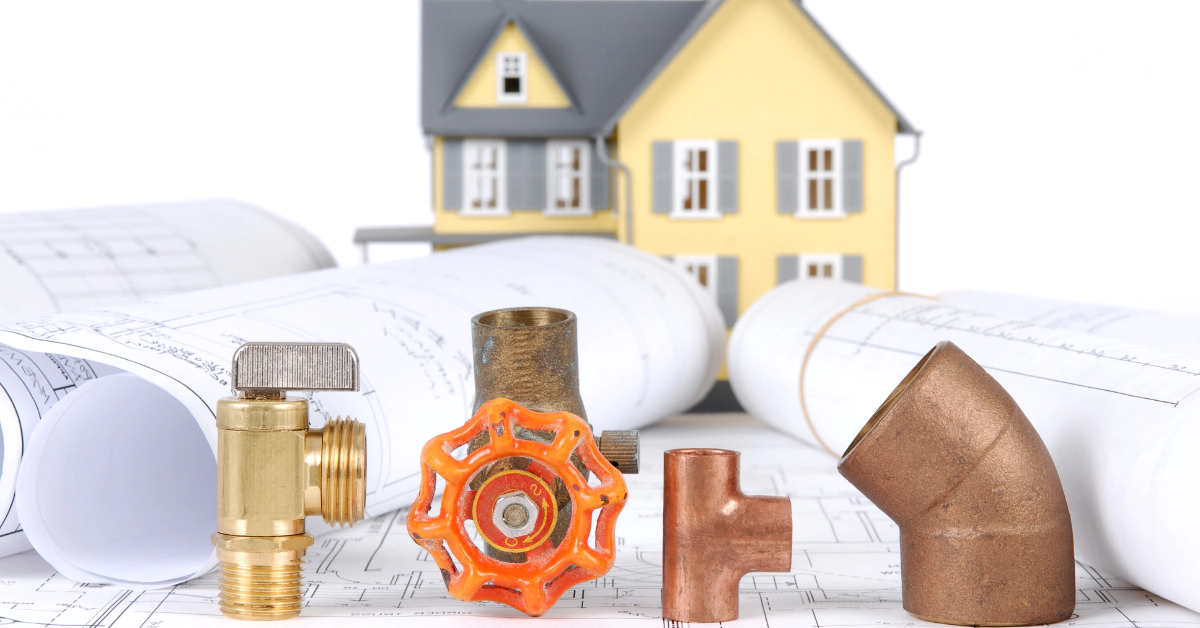
  2. Materials – Pipe type (copper, PEX, PVC) changes the bill significantly.
  3. Accessibility – Easy-to-reach pipes are cheaper to repair. Hidden or buried lines require more work.
  4. Emergency calls – After-hours or holiday service always increases plumbing services cost.
  5. Scope of work – Small leaks differ greatly from full pipe replacement projects.

A clear written estimate ensures you understand all charges before work starts.

Cost to Replace Plumbing in House

Sometimes repairs are not enough. The cost to replace plumbing in house depends on square footage, pipe length, and material choice. Copper is durable but expensive, while PEX offers flexibility at a lower cost. Replacing all the plumbing in an older home can cost tens of thousands but may prevent frequent breakdowns and water damage.

In most cases, full replacement is recommended when a system is more than 40–50 years old or when repeated leaks make patch repairs uneconomical. The process usually requires permits and coordination with local inspectors, which adds to both timeline and budget. Homeowners should also consider the potential resale value, as updated plumbing is often a strong selling point during property transactions.

Plumbing Estimate Toronto: What’s Included

Before agreeing to any work, it is always best to ask for a written quote. A clear plumbing estimate Toronto not only outlines the scope of work but also helps you compare different contractors on equal terms. This document gives homeowners a realistic picture of both labor and materials, so there are no surprises when the final invoice arrives.
When you request a plumbing estimate Toronto, expect the following details:

  • A description of the problem and required repair.
  • Number of labor hours.
  • Cost of pipes, fittings, or fixtures.
  • Extra fees if unexpected issues are found during the job.

Transparent estimates protect homeowners from hidden fees and make plumbing services prices easier to compare.

How Homeowners Can Control Costs

While plumbing work can be expensive, you can take steps to reduce the average cost:

  • Schedule annual inspections to catch leaks early.
  • Request at least two written quotes before hiring.
  • Ask if flat-rate packages are available for common jobs.
  • Maintain fixtures to prevent costly emergencies.

Even though charges can add up quickly, careful planning helps keep your budget under control. Proactive homeowners often save money by replacing worn-out parts—such as washers or supply lines—before they fail completely. Keeping a basic maintenance log with dates of repairs and replacements also helps predict when another service may be due, making expenses easier to manage.

Final Thoughts

Plumbing is a vital system, and knowing what influences the plumbing services cost allows you to make informed decisions. Whether you need a quick repair, a fixture replacement, or a full house repiping, understanding labor, materials, and hourly rates will help you prepare financially.

From small jobs like faucet repairs to major replacements, having a clear picture of plumbing repair prices ensures you can manage your home maintenance without surprises. Reliable budgeting not only protects your wallet but also gives you peace of mind when unexpected problems arise. Choosing the right professional with transparent pricing makes the process less stressful and ensures the job is done to standard.

FAQ

Why do plumber charges vary so much between companies in Toronto?

Because overhead costs, staff qualifications, and service guarantees differ. Some firms include diagnostic visits in the base rate, while others add it separately, making plumber fees per hour appear lower at first glance.

Is the cost of a plumber per hour always higher for emergency calls?

Yes. Evening, weekend, and holiday rates usually include a surcharge because plumbers must be available outside of regular hours.

How do I know if the plumbing repair prices I’m quoted are reasonable?

Ask for a written plumbing estimate for Toronto and compare at least two offers. Estimates should clearly list labor, materials, and potential extra fees.

Are flat-rate jobs better than hourly pricing?

It depends. Hourly billing can save money if the issue is simple, but flat rates protect you when jobs take longer than expected.

What hidden factors increase the cost of plumbing repairs?

Accessibility. Pipes behind walls, under concrete, or in older homes often require extra labor. Specialized equipment like drain cameras can also raise plumbing services cost.

Does the cost to replace plumbing in the house include permits?

In most cases, no. Permit fees are separate and depend on the municipality. Always confirm this before approving major projects.

How much does a plumber cost in Toronto compared to suburbs?

Plumbing cost per hour Toronto is usually higher because of demand and overhead. In smaller towns, fees can be 10–20% lower for the same work.

How to Protect Your Plumbing System from Tree Roots

When it comes to maintaining your home’s plumbing, few things are more disruptive (and costly) than the damage caused by tree roots. They can infiltrate sewer lines, septic systems, and drain pipes, creating blockages that lead to clogs, backups, and expensive repairs. If you’re dealing with trees near your plumbing system, it’s crucial to take action to protect your pipes from the invasive power of tree roots. But how do you stop tree roots from growing into pipes, and what can you do when they’ve already gotten in?

This guide will walk you through proven methods for preventing tree roots from entering your plumbing and show you how to remove them if they’ve already caused problems. Whether you’re dealing with a clogged toilet drain or need to know how to remove roots from a septic line, we’ve got you covered.

Why Tree Roots Attack Your Plumbing System

First, let’s understand why tree roots target sewer pipes and septic systems in the first place. Tree roots are constantly in search of water and nutrients to sustain the tree’s growth. Sewer pipes and drains often provide the moisture roots crave, which is why they tend to grow toward these systems. Over time, the roots can crack or even break pipes, leading to significant plumbing issues that require costly repairs or replacements.

How to Protect Your Plumbing from Tree Roots

  1. Plant Trees Away from Plumbing Lines
    One of the best ways to avoid tree root invasion is to be strategic about tree placement. If you’re planning a garden or landscaping project, consider planting trees away from your sewer lines, septic tanks, or any plumbing systems. While it’s tempting to have trees close by for aesthetic reasons, the cost of repairs down the line can far outweigh the initial appeal.
  2. Install Root Barriers Around Plumbing Lines
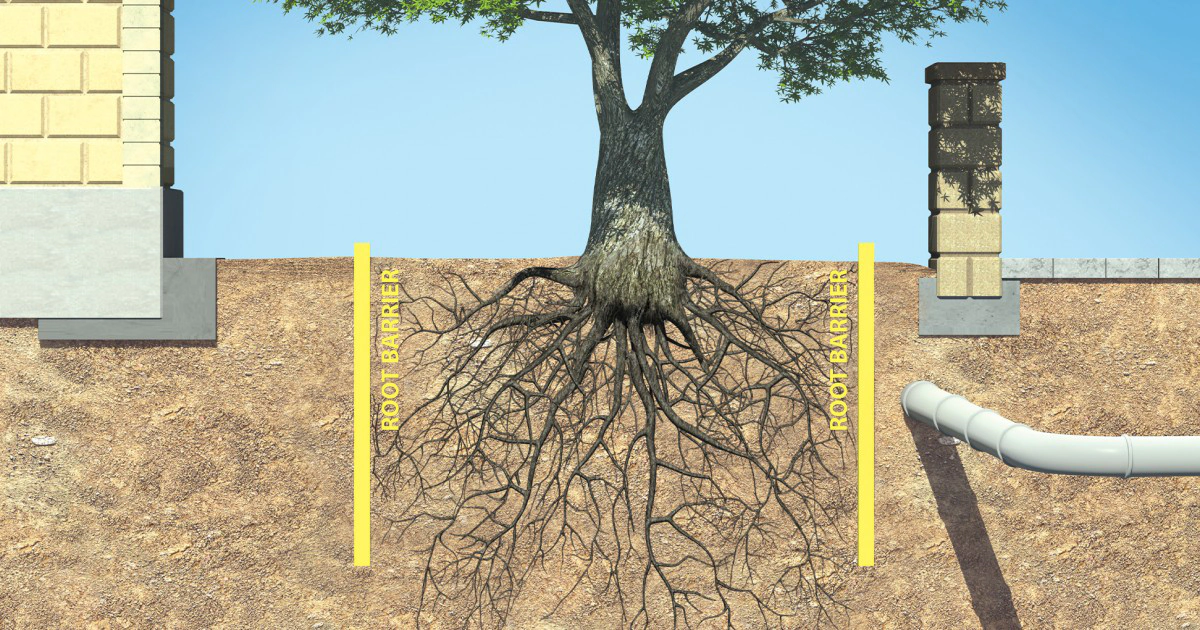
    For existing trees near your plumbing system, installing root barriers can be an effective way to redirect roots away from pipes. These barriers are typically made from plastic or metal and can be buried underground along the edge of your plumbing lines. They work by blocking roots from reaching your pipes while still allowing them to grow in other directions.
  3. Use Tree Root-Resistant Plumbing Pipes
    If you’re planning on replacing or installing new plumbing pipes, consider using tree root-resistant pipes. These are designed with stronger materials that are less likely to crack or break under pressure. They also include features that can prevent roots from infiltrating the system in the first place.
  4. Regularly Inspect Your Plumbing System
    Routine inspections of your plumbing system can catch tree root problems before they become major issues. A plumber can use a camera to inspect your pipes, check for any root intrusion, and even assess the condition of your pipes to see if they need replacement. Detecting root infiltration early can save you money and headaches in the long run.

How to Clear Tree Roots from Your Sewer Line

If tree roots have already entered your sewer line or drain pipes, there are several methods you can use to clear them out. Here’s how to handle it:

  1. Mechanical Root Removal
    One highly effective way to clear blockages caused by invasive tree growth in sewer lines is through mechanical removal. This process uses a specialized tool, such as a “rooter” or a “sewer auger,” to physically cut away the obstructions clogging the pipes. While this method works well, it’s often a temporary solution, as the issue may return unless proactive preventive steps are taken.
  2. Hydro Jetting
    Another popular solution for clearing tree roots from pipes is hydro jetting. This technique uses high-pressure water to blast away the roots and debris from the inside of your pipes. Hydro jetting is particularly useful for clearing stubborn or large blockages and can even reach areas that mechanical tools might miss.
  3. Root-Cutting Chemicals
    In some cases, plumbers may recommend the use of root-cutting chemicals to dissolve roots in sewer lines. These chemicals are designed to kill and dissolve the roots inside the pipes. However, using harsh chemicals comes with risks, as they can also damage your pipes if used improperly. Always consult a professional before opting for this method.

How to Destroy Roots in Sewer Lines

If you’re dealing with a persistent root problem, you might be wondering how to destroy roots in your sewer line for good. While no solution is guaranteed to prevent roots from regrowing, there are ways to reduce the chances of further issues:

  1. Use a Root-X Treatment
    Root-X is a chemical solution designed to eliminate tree intrusions inside pipes. Unlike other treatments, it forms a foam that clings to the affected areas, breaking down the problem over time. When used properly, it’s a safe and effective option that can help prevent further growth for up to a year. You can apply it on your own or hire a plumber for professional application.
  2. Copper Sulfate
    Copper sulfate is another chemical that can help dissolve roots in drains. It’s a popular DIY method that’s often poured into the toilet or down the drain to reach the affected pipes. Like Root-X, copper sulfate targets the roots by killing them and preventing regrowth. However, it’s important to use copper sulfate cautiously, as excessive use can damage your pipes and harm the environment.
  3. Keep the Area Around Your Plumbing Clear
    If you have trees near your plumbing system, be proactive in maintaining the area. Trim tree roots regularly and clear away any debris that could be feeding the roots. By taking steps to manage your landscape, you can reduce the chance of roots infiltrating your plumbing lines.

How to Keep Tree Roots Out of Your Sewer Line

Preventing tree roots from infiltrating your sewer line is the ultimate goal. Here’s how to keep them out:

  • Perform Regular Maintenance: Regularly inspect your pipes for signs of damage or root intrusion.
  • Install Barriers: Use physical barriers around your pipes to prevent roots from growing in.
  • Opt for Professional Treatments: Professional plumbers can apply chemical treatments like Root-X to keep roots at bay.
  • Replace Damaged Pipes: If your pipes are cracked or weakened, it’s essential to replace them before roots can infiltrate them.

How to Remove Roots from Septic Lines

If you have a septic system, you might be wondering how to remove roots from septic lines. The same techniques mentioned earlier, like mechanical root removal and hydro jetting, can be used for septic lines as well. It’s important to have your septic system regularly inspected to ensure it’s functioning properly and to catch any root growth before it causes significant damage.

Final Thoughts

Tree roots are a common cause of plumbing issues, but with the right strategies, you can protect your pipes and prevent costly damage. Whether you’re learning how to protect sewer pipes from tree roots or figuring out how to clear roots from sewer lines, staying proactive is key. Regular maintenance, preventive measures, and professional assistance can keep your plumbing system in tip-top shape.

For professional plumbing services in Toronto and the surrounding areas, contact POM Plumbing—your trusted experts in plumbing maintenance and repair.

When Is it Time to Replace Your Sewer Line?

The sewer system in your home plays a vital role in disposing of waste. It operates out of sight, so it’s easy to take it for granted—until something goes wrong. Over time, pipes age and can become damaged, leading to significant problems if left unaddressed.

But how can you tell when to replace your sewer line? What are the symptoms of a failing system? In this guide, we’ll explain how to recognize damage, when replacement might be needed, and how to act before minor issues grow into costly repairs.

Understanding the Lifespan of Sewer Pipes

Different materials last for varying amounts of time. Here’s a breakdown:

  • Clay Pipes: Common in homes built before the 1970s, clay pipes can last about 50–60 years.
  • Cast Iron Pipes: Popular in the mid-20th century, cast iron pipes have a lifespan of 50–75 years but are prone to corrosion over time.
  • PVC Pipes: A modern material that is highly durable and can last over 100 years when properly maintained.

If your property has older pipes, especially clay or cast iron, it might be time to plan for an upgrade. Even if no obvious damage is visible, aging infrastructure often hides underlying problems.

Signs Your Sewer Line Is Damaged

Recognizing the early indicators of a problem is critical. Here are common symptoms that suggest your system is failing:

1. Consistent Drain Issues

If you notice that multiple drains in your home are backing up or slow, this could indicate a blockage or damage somewhere in the main sewer line.

2. Unpleasant Smells

A healthy sewer system is sealed to contain odors. If foul smells are coming from drains or the yard, it could point to cracks or breaks in the pipe.

3. Unusual Yard Conditions

Soft spots, damp patches, or areas of sunken soil in your yard often signal a problem below the surface, such as a collapsed pipe.

4. Overgrown Grass Patches

If one area of your lawn looks unusually lush, it might mean waste is leaking into the soil, acting as fertilizer.

5. Structural Problems

Cracks in your foundation, sinkholes, or shifting soil near your property could result from a failing sewer system.

6. Frequent Pest Problems

Cracks in sewer pipes can attract pests like rodents and insects. If you’re noticing an increase in these nuisances, it could be linked to your plumbing system.

When Does a Sewer Line Need to Be Replaced?

Not all damage requires full replacement, but certain situations leave no other option. Here’s when to consider replacing your system:

1. Widespread Cracks or Damage

If multiple sections of your pipe are compromised, patching isn’t enough. Replacement becomes the only solution.

2. Complete Collapse

A completely collapsed pipe will stop the flow of waste entirely, requiring immediate replacement.

3. Tree Root Intrusion

Roots are a common cause of pipe damage. Minor root intrusions can sometimes be cleared, but severe cases often require replacing the pipe altogether.

4. Severe Corrosion

Older cast iron pipes, in particular, are vulnerable to corrosion over time. Once the structural integrity of the material is compromised, replacement is often unavoidable.

When Should I Replace My Sewer Pipe?

A question many homeowners ask is: when should I replace my sewer pipe? The answer depends on factors such as pipe age, material, and the extent of damage. If your home has older cast iron pipes or you’ve noticed recurring problems, it’s wise to consult a professional for an inspection.

Symptoms of a Collapsed Sewer Line

A collapsed pipe creates noticeable disruptions in your home’s plumbing. Symptoms include:

  • Multiple drains backing up simultaneously.
  • Standing water in the yard or areas of soggy soil.
  • Strong odors inside or outside your home.

Collapsed pipes demand immediate attention. Professional plumbers can confirm the issue and recommend whether replacement is needed.

How to Tell If My Sewer Pipe Is Cracked

Cracked pipes don’t always cause obvious problems right away. Here’s how to identify a crack:

  • Watch for slow-draining sinks, tubs, or showers.
  • Look for surface-level damage such as wet spots, yard sinkholes, or visible cracks in your foundation.
  • Use a professional camera inspection to visually inspect the inside of your sewer line.

If you suspect a crack but aren’t sure, a professional evaluation can help confirm whether repairs or replacement are necessary.

Preventing Future Sewer Problems

Replacing your sewer line is a big step, but the right maintenance practices can help you avoid future issues and maximize the lifespan of your new pipes. Here are some practical tips to ensure your sewer system stays in optimal condition:

1. Avoid Flushing Problematic Items

The easiest way to keep your sewer system functioning well is to be mindful of what goes down the drain. Only flush waste and toilet paper. Items like baby wipes, hygiene products, paper towels, and grease can cause clogs and lead to major blockages over time. Even items marketed as “flushable” can lead to clogs and blockages in your pipes.

2. Schedule Regular Inspections

Routine maintenance is one of the most effective ways to catch small problems before they escalate into larger ones. A professional inspection every year or two can identify weak spots, cracks, or small clogs in the sewer system. Plumbers often use tools like cameras to examine the interior of your pipes and ensure everything is in good shape.

3. Address Tree Roots

Roots from trees are a leading cause of damage to sewer lines, often infiltrating through tiny cracks. Roots can infiltrate pipes through tiny cracks, grow inside them, and eventually cause blockages or breaks. If your property has large trees near the sewer line, consider installing root barriers to prevent intrusion. Routine inspections are invaluable for spotting root intrusion early, preventing it from escalating into a major problem.

4. Be Cautious with Landscaping

When planting trees or shrubs, keep them far from the location of your sewer pipes. Roots naturally grow toward moisture, making your sewer line an easy target. Choose plants with smaller, non-invasive root systems to reduce the risk of damage.

5. Monitor Drain Performance

Pay close attention to how your drains behave. If you notice slow draining or gurgling sounds, address the issue promptly. These minor symptoms can be early warning signs of larger problems in your sewer line.

6. Install Backflow Prevention Devices

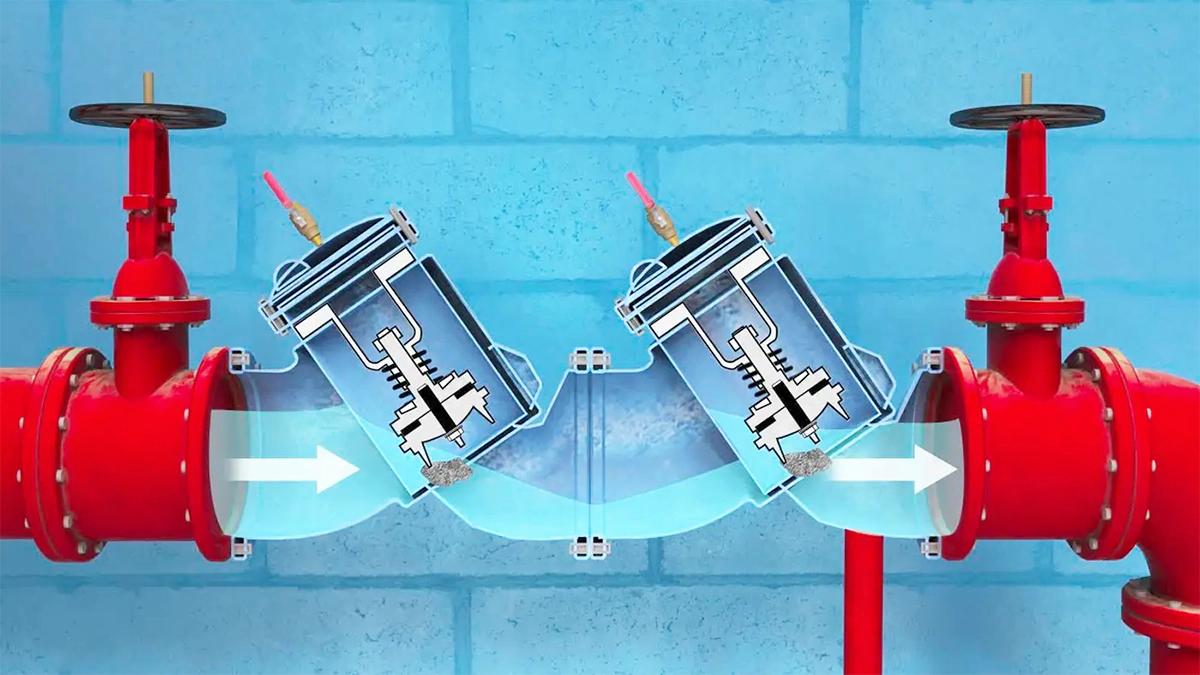
Backflow devices prevent waste from flowing back into your home during heavy rains or sewer system malfunctions. Installing one can protect your property from costly damage and improve the overall reliability of your plumbing system.

Final Thoughts

Knowing when to replace your sewer line can save you from costly and stressful repairs. By understanding the symptoms of damage, recognizing signs of a failing system, and acting quickly, you can protect your home and property.

At POM Plumbing, we’re here to help with all your sewer system needs. Whether you’re dealing with recurring issues or considering a full replacement, our experienced team can provide solutions tailored to your home.

If you’re wondering, “How do I know if I need to replace my sewer line?” or want a professional assessment, contact us today to schedule an inspection. We’ll help keep your system running smoothly for years to come.

How to Check for Hidden Plumbing Leaks in Your Home

Plumbing leaks can sneak up on you, quietly causing structural damage, encouraging mold growth, and inflating your utility bills. If left unchecked, a hidden leak can lead to costly repairs and major disruptions. Fortunately, you don’t need superhuman vision or a plumber on speed dial to spot the signs of trouble.

In this article, we’ll cover everything you need to know about how to detect water leaks, find a hidden water leak behind a wall or floor, and when to call in the pros for water damage repair.

Why Hidden Plumbing Leaks Are a Big Problem

Hidden leaks are often small and hard to notice, but the damage they cause can snowball quickly. From ruining drywall to creating an ideal environment for mold and mildew, the consequences of ignoring issues go far beyond the occasional drip.

Even a small leak can waste significant amounts of water and spike your utility bills. That’s why learning how to locate a water leak and deal with it early is essential for every homeowner.

How to Know If You Have a Plumbing Leak

Sometimes, issues are obvious — like water pooling under the sink or dripping from the ceiling. But often, they hide behind walls, under floors, or in less visible parts of your plumbing system. So, how can you tell where a plumbing leak is coming from? Look out for these warning signs:

  • Unexplained Spikes in Bills: If your water bill suddenly jumps without reason, it could be a hidden leak.
  • Damp or Warped Floors: Check for soft spots on wooden floors or damp patches on carpets.
  • Musty Odors: Persistent smells can indicate mold or mildew caused by a leak.
  • Stains on Ceilings or Walls: Brown or yellow discoloration often points to a hidden plumbing issue.
  • Low Water Pressure: A drop in pressure might indicate water is escaping from your pipes.

Watch out for slab and wall leaks: If you notice warm spots on your floor, unusually wet patches on carpets, or hear the sound of water running inside a wall when everything is turned off, these are classic signs of a water leak inside a wall or under your foundation (a slab leak). These require immediate attention to prevent severe water damage.

If you notice any of these signs, it’s time to take action and figure out how to find where the leak is coming from.

6 Ways to Find a Water Leak in Your House

1. Check Your Water Meter

One of the easiest ways to detect leaks in pipes is by using your water meter. Follow these steps:

  • Shut off all taps and appliances that use water throughout your home.
  • Check the water meter reading and note it down.
  • Wait for an hour (without using any water) and check the meter again.
  • If the reading changes, there’s likely a leak somewhere in your plumbing system.

This method can help you identify whether there’s an issue, but you’ll need to dig deeper to find the exact location.

2. Inspect Visible Pipes

Knowing how to check for water issues starts with the obvious. Examine exposed pipes under sinks, in basements, and near appliances. Look for:

  • Corrosion or discoloration
  • Moisture or pooling
  • Cracks or damage

If you notice anything unusual, you may have found the source of the problem.

3. Conduct a Dye Test for Toilets

Toilets are a common source of hidden plumbing leaks. Here’s how to find a leak in your toilet:

  • Drop a small amount of food dye into the tank of your toilet.
  • Wait 10–15 minutes without flushing.
  • If the color appears in the bowl, you’ve got a leaky flapper or valve that needs replacing.

4. Listen for Unusual Sounds

Do you hear dripping, hissing, or running water even when everything is turned off? Detecting leaks in pipes sometimes involves using your ears. Listen carefully near fixtures or walls to pinpoint the sound.

5. Use a Moisture Meter

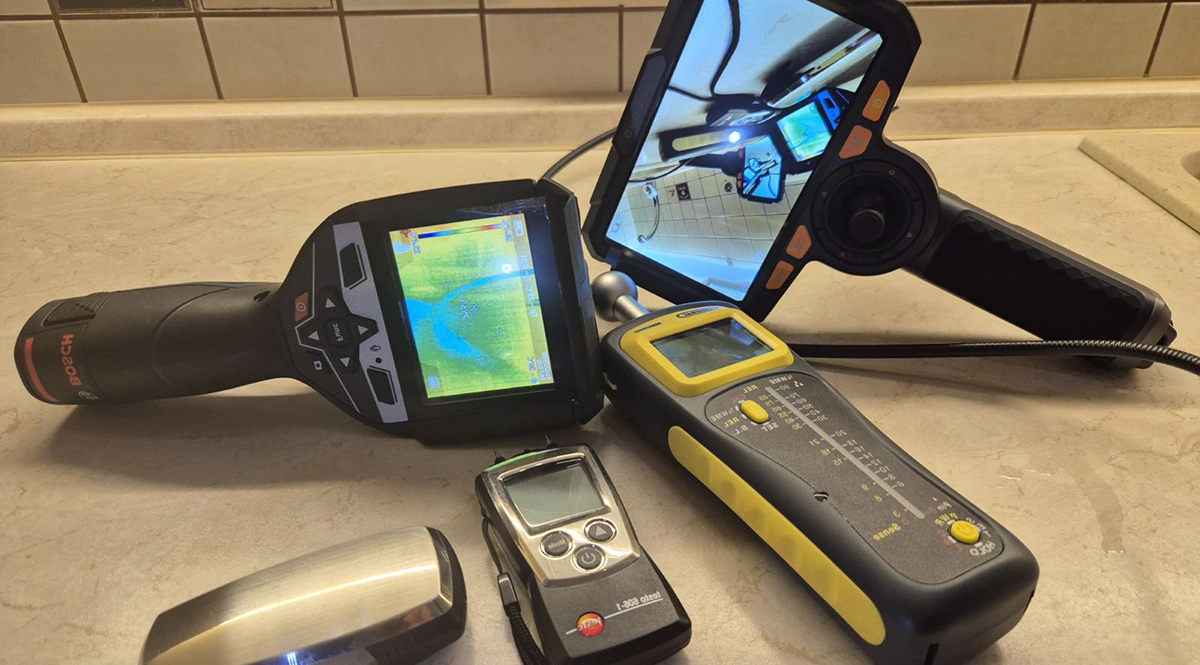
A moisture meter can help identify damp areas in walls, floors, or ceilings. These tools are especially handy when you’re unsure how to find where a leak is coming from but suspect there’s an issue behind a surface.

6. Inspect Outdoor Plumbing

Leaks aren’t just an indoor problem. Inspect garden hoses, sprinkler systems, and outdoor faucets for any signs of moisture or dripping. A leaking outdoor line can waste water and affect your landscaping.

How to Find the Source of a Plumbing Leak

Knowing how to find a plumbing leak requires some detective work. Here are practical tips to narrow it down:

  • Divide and Conquer: Turn off the water supply to specific parts of the house (like upstairs bathrooms) and check the water meter again. This can help isolate the problem area.
  • Check Appliances: Water heaters, dishwashers, and washing machines are common culprits. Inspect their hoses and connections for leaks.
  • Use Infrared Cameras: If you’re still unsure how to find a leaky pipe, professional-grade infrared cameras can detect temperature changes caused by moisture.

Signs You Should Never Ignore

If you’re unsure how to know if you have a water leak, remember that the signs are often subtle at first but become more severe over time. Don’t ignore these red flags:

  • Unusual Noises: Gurgling sounds in pipes or toilets could indicate a blockage or leak.
  • Peeling Paint or Wallpaper: Moisture trapped behind walls will often cause finishes to bubble or peel.
  • Foundation Cracks: Over time, leaks near your home’s foundation can weaken the structure, causing cracks or settling.
  • Visible Mold Growth: Mold doesn’t just look bad; it can also pose serious health risks. It often points to excess moisture from a plumbing leak.

Should you observe any of these warning signs, acting quickly is absolutely essential. Small leaks can quickly spiral into significant damage, costing thousands to repair.

How Do Plumbers Find Leaks?

Plumbers have specialized tools and techniques to locate hidden leaks with pinpoint accuracy. Here’s what they might use:

  • Acoustic Listening Devices: Amplify the sound of running water to detect leaks in pipes.
  • Thermal Imaging Cameras: Identify temperature differences caused by water escaping from pipes.
  • Pressure Testing: Helps determine if the plumbing system is holding pressure or if there’s a leak.
  • Video Inspections: Small cameras can be fed into pipes to visually inspect for cracks, clogs, or leaks.

If you’re struggling to find the source of the leak on your own, calling in a professional is often the best solution.

Preventing Future Plumbing Leaks

Once you’ve resolved the current issue, take steps to avoid future leaks:

  • Regular Inspections: Periodically inspect exposed pipes, appliances, and outdoor fixtures.
  • Monitor Water Pressure: High pressure puts stress on pipes and connections. A pressure-reducing valve can help.
  • Upgrade Old Plumbing: Outdated pipes, like galvanized steel, are more prone to leaks and corrosion.
  • Insulate Pipes: Prevent freezing in colder months by adding insulation to pipes in unheated areas.

Final Thoughts

Hidden plumbing issues can become a homeowner’s worst nightmare if ignored. By understanding how to identify water problems, pinpoint their source, and take preventative actions, you can save significant time, money, and hassle.

If you’ve done your best and still can’t figure out how to find a leak in your plumbing, don’t hesitate to contact a professional. At POM Plumbing, we specialize in detecting and repairing leaks, ensuring your home stays dry and damage-free.

Got a sneaking suspicion of a hidden leak? Call us today and let our experts put your worries to rest.

FAQ

Can a plumber find a leak behind a wall?

Yes. Professional plumbers use advanced non-invasive tools like thermal imaging cameras, moisture meters, and acoustic listening devices to pinpoint the exact location of a plumbing leak without unnecessarily tearing down your walls.

Will a small water leak dry on its own?

No. A hidden water leak will not fix itself. Even a minor drip will continuously release moisture into your home’s structure, eventually leading to severe water damage, wood rot, and hazardous mold growth. It requires professional leak repair.

Does homeowners’ insurance cover hidden plumbing leaks?

In many cases, homeowners’ insurance covers the sudden and accidental water damage caused by a hidden leak, such as ruined drywall or flooring. However, they typically do not cover the cost of repairing the plumbing pipe itself or damage resulting from long-term neglect. Always review your specific policy details.

How do you check for a water leak under a concrete floor (slab leak)?

Signs of a slab leak include unexplained warm spots on your floor, damp carpets, a constantly running water meter, or the sound of rushing water beneath the foundation. Because these leaks are buried, detecting and repairing them requires professional equipment.

Who is responsible for a water leak between the meter and the house?

Generally, the property owner is responsible for maintaining and repairing the main water supply line that runs from the municipal water meter to the house. If you suspect a leak in your yard, driveway, or outdoor plumbing, you will need to hire a licensed plumber to resolve it.

Plumbing Codes Every Homeowner Should Know

As a homeowner, your plumbing system is the unsung hero of daily life—silently keeping things flowing, draining, and working as they should. But did you know there are specific plumbing codes and regulations that dictate how plumbing systems should be installed, maintained, and repaired?

These codes aren’t just bureaucratic red tape; they exist to ensure the safety, functionality, and efficiency of your home’s plumbing system. If you live in the GTA, your home must comply with the Ontario Building Code (OBC). Let’s dive into the basic residential plumbing rules, the building code for plumbing, and other must-know standards for homeowners.

What Are Plumbing Codes and Why Do They Matter?

A plumbing code is a set of regulations and standards designed to govern the installation, maintenance, and repair of plumbing systems. These rules are often part of a larger building code and cover everything from pipe sizes to drainage systems. Adhering to these standards ensures:

  • Safety: Preventing water contamination and leaks.
  • Efficiency: Optimizing water usage and drainage.
  • Compliance: Avoiding costly fines or repairs during inspections.

While professional plumbers are typically well-versed in plumbing regulations, homeowners can benefit immensely from understanding the basics. Whether you’re tackling a minor DIY repair or overseeing a major renovation, knowing the plumbing code gives you confidence and clarity.

The Three Rules of Plumbing

Ever heard the saying, “Keep it simple”? Plumbing might seem complex, but it boils down to three basic rules:

  1. Water flows downhill – Gravity is the cornerstone of effective drainage. Pipes must be properly angled to let wastewater flow naturally.
  2. Don’t cross-contaminate – Drinking water and wastewater should never mix. Backflow prevention devices and proper pipe layouts help achieve this.
  3. Use the right materials – Whether it’s pipe sizes or fittings, every component should meet plumbing installation standards for safety and durability.

By keeping these three rules of plumbing in mind, you’ll have a solid foundation for understanding more advanced plumbing regulations.

Key Plumbing Regulations Homeowners Should Understand

1. Pipe Sizing and Placement

The plumbing code of practice outlines specific requirements for pipe sizes based on the water supply and drainage needs. For example:

  • Water supply pipes: Must maintain sufficient pressure and flow to support all fixtures.
  • Drainage pipes: Require a proper slope (usually 1/4 inch per foot) to allow gravity to do its job.

2. Ventilation Requirements

Plumbing drainage standards require proper venting to prevent clogs, slow drainage, and foul odors. Vent pipes release sewer gases and equalize pressure in the drainage system, ensuring smooth flow.

3. Fixture Spacing and Installation

The building code for plumbing specifies minimum distances between fixtures like sinks, toilets, and showers to ensure comfort and accessibility. Additionally, all fixtures must be equipped with shut-off valves for quick maintenance.

4. Backflow Prevention

Cross-contamination is a serious health hazard. Backflow prevention devices, such as air gaps and check valves, are mandatory to keep wastewater from contaminating clean water lines.

5. Trap Requirements

Every sink, shower, and toilet requires a P-trap, a U-shaped pipe that holds water to block sewer gases from entering your home. Note that older “S-traps” are now considered plumbing code violations in Ontario because they can easily siphon dry. Plumbing installation standards strictly dictate the correct size, shape, and placement of these traps to ensure safety.

Plumbing Drainage Standards Every Homeowner Should Know

Efficient drainage is essential for a healthy home, and plumbing and drainage regulations ensure just that. Here are a few critical points to keep in mind:

  • Slope Matters: As mentioned earlier, drainage pipes need a slight slope to prevent standing water and clogs.
  • Cleanouts: Your drainage system must include accessible cleanout points to remove debris and blockages.
  • Separation from Foundation: Drainage pipes should be installed far enough from your home’s foundation to avoid structural damage.

By adhering to these standards, you’ll avoid costly drainage issues and keep your home running smoothly.

Common Plumbing Code Violations to Avoid

Even with the best intentions, it’s easy to unknowingly violate the plumbing code. Here are some common mistakes homeowners make:

  1. Improper Pipe Slope: Pipes that are too flat or too steep can cause drainage issues.
  2. Incorrect Venting: Skipping or improperly placing vent pipes leads to slow drainage and odors.
  3. Mixing Pipe Materials: Using incompatible materials, like connecting PVC to galvanized steel without proper adapters, can cause leaks or corrosion.
  4. No Backflow Prevention: Failing to install backflow devices risks contaminating your water supply.
  5. DIY Overreach: Tackling projects beyond your skill level without understanding plumbing regulations often leads to costly repairs.

If you’re planning a renovation, always check the plumbing code of practice or consult a licensed plumber to ensure compliance.

When to Call a Professional

While understanding the basics is essential, some jobs require professional expertise. Here’s when to call in a licensed plumber:

  • Major Installations: Water heaters, sewer lines, and new fixture installations.
  • Persistent Drainage Issues: Recurring clogs or slow drains often signal a bigger problem.
  • Code Compliance Checks: Before buying or selling a home, it’s wise to ensure your plumbing meets local regulations.

Final Thoughts

Understanding plumbing codes isn’t just for contractors or inspectors—it’s valuable knowledge for every homeowner. By following the basic plumbing rules, adhering to plumbing installation standards, and staying aware of common violations, you can protect your home and avoid costly mistakes.

Still feeling overwhelmed by the Ontario plumbing code? The licensed professionals at POM Plumbing are here to help. Whether you need a code compliance inspection, repair, or new installation in Toronto and the GTA, we’ve got you covered. Don’t risk illegal plumbing setups. Reach out today to ensure your home’s plumbing is safe and up to standard!

FAQ

Do I need a permit for minor plumbing repairs in Toronto?

Generally, you don’t need a plumbing permit for small repairs like replacing a faucet, fixing a leak, or swapping out a toilet. However, major changes, such as moving drains, installing new fixtures, or adding a bathroom, require a permit and inspection to make sure they meet plumbing code rules.

What is an illegal plumbing trap?

Under current residential plumbing codes, “S-traps” and corrugated flexible drain pipes are prohibited. S-traps are susceptible to siphoning, which removes the water barrier and allows hazardous sewer gases to enter the home. All fixtures must be equipped with approved P-traps.

Can I do my own plumbing work in Ontario?

Yes, as a homeowner, you are legally permitted to perform plumbing work in your own single-family home. However, all work must strictly follow the Ontario Building Code, and you need to obtain the required permits for major modifications. If done improperly, you could face fines, water damage, or problems when selling the house.

What is the code requirement for the slope of the drain pipe?

The standard plumbing drainage rule states that horizontal drain pipes must have a downward slope of 1/4 inch per foot. This specific angle ensures that water and solid waste flow smoothly by gravity without leaving debris behind or causing serious clogs.

Why does code require plumbing vents?

Plumbing codes require venting systems because they balance air pressure inside the pipes. Without a properly installed vent pipe, draining water can create a vacuum that pulls the water out of your P-traps, allowing toxic sewer odors to escape into your living space.

How to Extend the Life of Your Water Heater

Your water heater is one of the most important appliances in your home, yet it’s often overlooked until something goes wrong. Neglecting regular maintenance can lead to sediment buildup, corrosion, leaks, and even complete failure of the unit. When problems are left unchecked, they often result in costly repairs or the need for premature replacement. Understanding how to extend the life of your hot water heater can save you significant time, money, and inconvenience in the long run.

Benefits of Regular Care and Inspection

Routine inspection and maintenance help you detect small issues before they turn into major problems. This not only prolongs the lifespan of the appliance but also keeps it running efficiently, lowering energy costs. Many homeowners are surprised at how a few simple tips for extending the life of your water heater can make it last years longer while providing consistent hot water.

Common Factors That Shorten Water Heater Lifespan

Sediment Buildup

Over time, minerals from the water settle at the bottom of the tank, creating a thick layer of sediment. This buildup reduces heating efficiency and can cause overheating, which damages the tank lining. Flushing the tank regularly is one of the best ways to extend the life of your water heater.

Corrosion and Rust

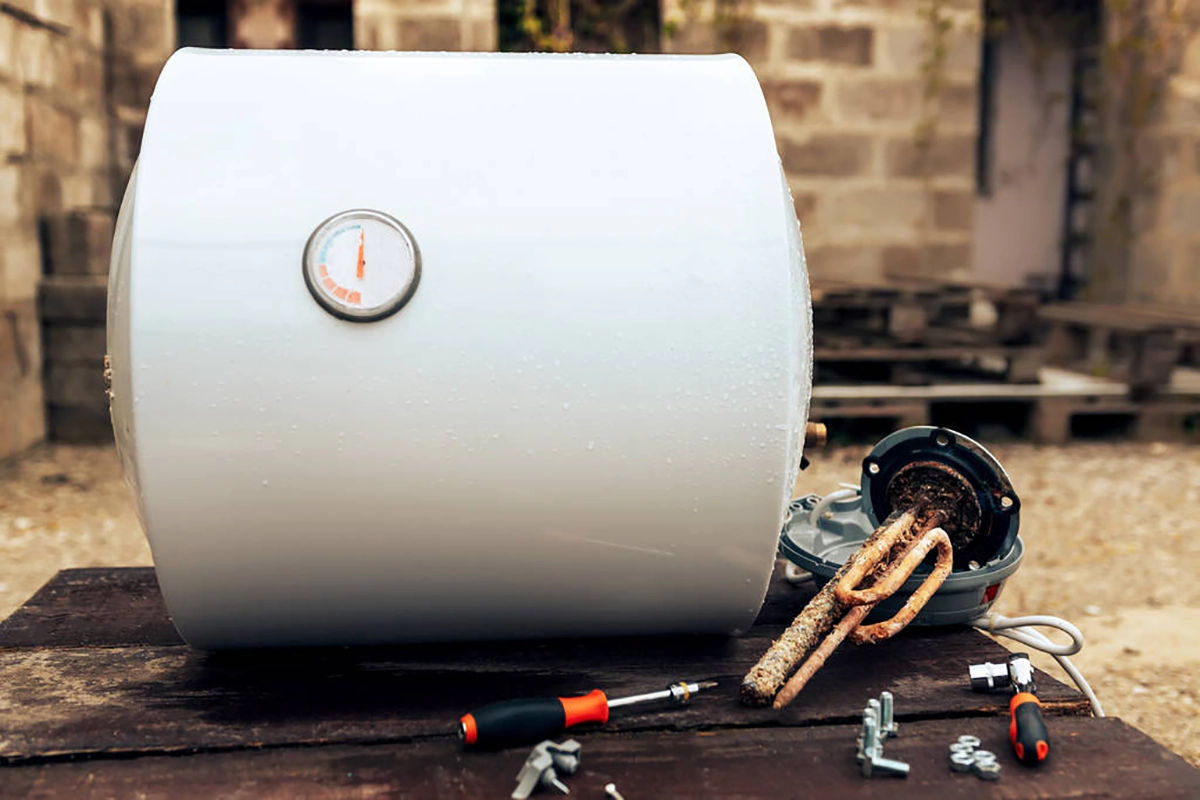
Corrosion occurs when metal components are exposed to oxygen and moisture. Rust can quickly spread, leading to leaks or even tank failure. The anode rod is designed to prevent corrosion, but it needs to be inspected and replaced periodically.

High Water Pressure

Excessive water pressure puts stress on your plumbing system, including the water heater. If the pressure exceeds recommended levels, it can damage seals, joints, and the tank itself. Installing a pressure-reducing valve can prevent unnecessary wear and tear.

Poor Installation or Sizing

A water heater that is too small for household needs will be overworked, while one that’s too large may waste energy. Ensuring proper installation and correct sizing from the start is critical to avoid early breakdowns.

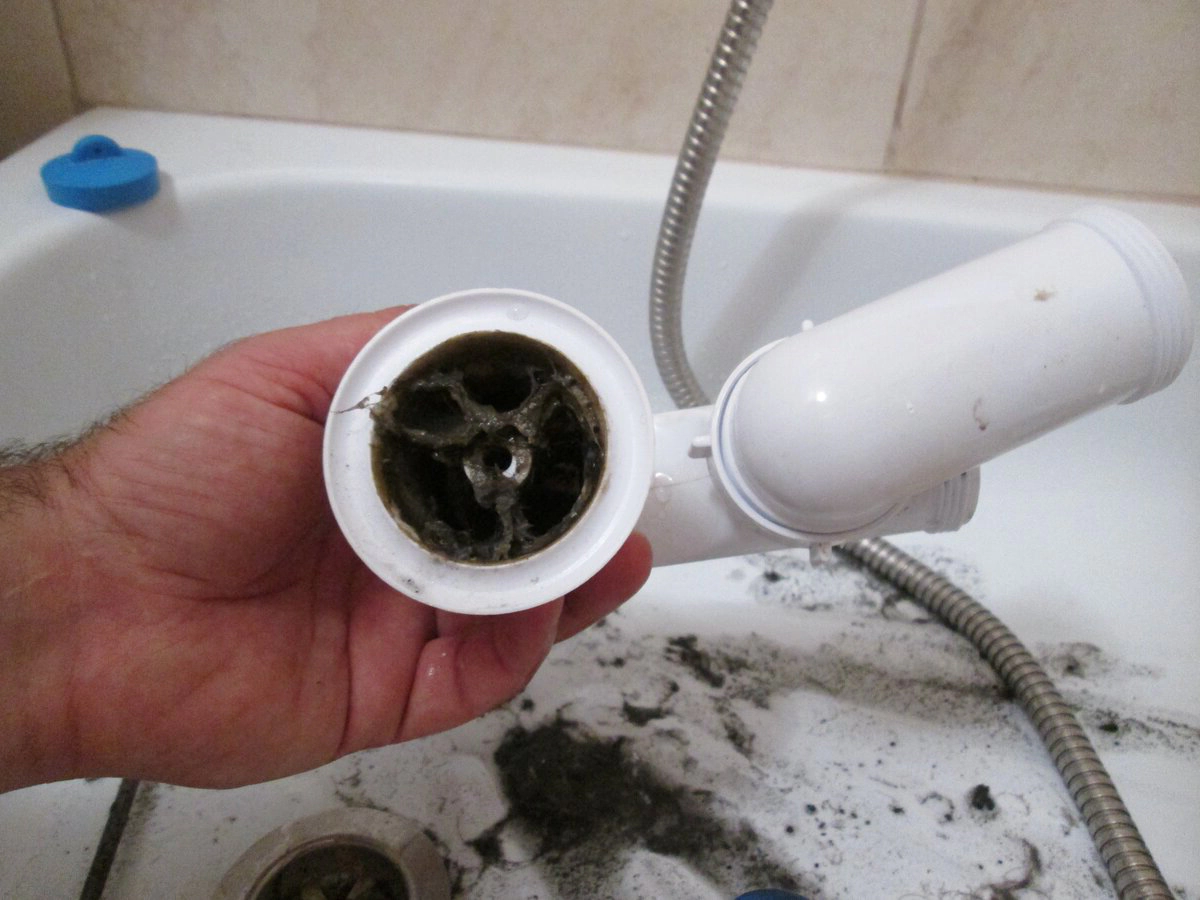
Don’t waste time on endless attempts to clean it – order a professional service and be sure to report problems with the shower drain.

📞 Call us at (905) 625-8777 or Book Your Service Online today!

Step-by-Step Guide to Extending the Life of Your Water Heater

Flush the Tank Regularly

Draining a few gallons from your tank every few months removes sediment and helps maintain heating efficiency. For heavily mineralized water, a complete flush at least once a year is essential.

Check and Replace the Anode Rod

The anode rod attracts corrosive elements, protecting the tank lining. Inspect it annually and replace it when more than 50% of the rod is corroded. This is one of the most effective popular mechanics extend the life of your water heater recommendations.

Insulate the Tank and Pipes

Adding insulation to your water heater and surrounding pipes reduces heat loss, saves energy, and reduces strain on the appliance. This is a cost-effective measure that also improves efficiency.

Adjust the Thermostat to the Right Temperature

Keeping the water heater set at around 120°F (49°C) prevents overheating, reduces the risk of scalding, and extends the unit’s life by lowering stress on components.

Test the Temperature and Pressure Relief Valve (T&P Valve)

This safety device prevents excessive pressure buildup in the tank. Testing it annually ensures it’s functioning correctly and reduces the risk of dangerous malfunctions.

Special Tips for Tankless Water Heaters

Descaling and Flushing

Tankless systems require regular descaling to remove mineral deposits that can block water flow. Annual flushing with a descaling solution will maintain peak performance.

Maintaining Proper Ventilation

Tankless units need adequate airflow to prevent overheating. Regularly check vents and air intakes for blockages such as dust or debris.

When to Call a Professional for Maintenance

Signs Your Water Heater Needs Expert Attention

If you notice unusual noises, fluctuating water temperature, rusty water, or frequent leaks, it’s time to call a licensed plumber. These issues may indicate deeper problems that require professional repair.

Annual Professional Inspection Benefits

A yearly inspection can detect issues invisible to the untrained eye, such as internal corrosion, worn seals, or faulty wiring. Professional servicing ensures your unit runs safely and efficiently.

Cost-Effective Upgrades to Improve Longevity

Install a Water Softener

If you live in an area with hard water, installing a softener will reduce mineral deposits and prolong the life of your water heater.

Add an Expansion Tank

This device absorbs excess water pressure, protecting your water heater and plumbing from damage caused by thermal expansion.

Final Thoughts on Maximizing Water Heater Lifespan

Knowing how to extend the life of your hot water heater is a smart investment in your home’s comfort and efficiency. By following these tips for extending the life of your water heater—from regular flushing to professional inspections—you can enjoy reliable hot water for many years. A little preventive care now can save you from costly replacements later.

How to Deal with a Clogged Shower Drain

A clogged shower drain is a typical plumbing issue in many homes. It usually starts with water standing in the tub, strange gurgling sounds, or even unpleasant smells. Ignoring the problem can eventually turn a small shower clogged drain into a complete blockage. Understanding what causes it, recognizing early warning signs, and learning about clogged shower drain fix methods will help you act quickly—either with DIY remedies or professional help.

Why Shower Outlets Get Blocked

A shower drain clogged with everyday debris is nothing new. Over time, buildup inside the pipes restricts water flow and creates an obstruction.

  • Hair buildup – The most common reason for a blocked bathroom outlet. Hair tangles with soap and dirt, gradually forming a dense plug.
  • Soap residue and minerals – Hard water mixed with soap leaves behind deposits that narrow the pipe.
  • Foreign objects – Jewelry, razor caps, or small pieces of plastic can slip in and cause a sudden obstruction.

Warning Signs You Should Notice

Drainage issues rarely happen instantly. Look out for these symptoms:

  • Water draining much slower than usual.
  • Bad odors coming from the outlet.
  • Gurgling or bubbling noises from the pipe.

How to Clear a Clogged Shower Drain by Yourself

If your shower drain is clogged, there are several safe DIY fixes before calling a plumber:

  • Manual removal – Take off the cover and remove visible hair or dirt.
  • Drain snake or hook – Insert, twist, and pull out tangles lodged deeper inside.
  • Baking soda and vinegar – Pour equal amounts, wait, then flush with hot water.
  • Boiling water – Helps dissolve soap buildup when poured in stages.
  • Plunger – A quick way to fix a clogged shower drain using pressure.

Professional Help for Stubborn Shower Blockages

When home remedies don’t work, a plumber can fix clogged shower drain problems with specialized tools:

  • Hydro jetting – Powerful water pressure clears stubborn buildup and keeps pipes clean.
  • Motorized auger – A professional cable device that cuts through compacted clogs.

Preventing Future Shower Drain Problems

It’s much easier to prevent a blockage than to deal with it later:

  • Install a drain guard to catch hair.
  • Rinse the outlet weekly with hot water.
  • Avoid pouring oils or sticky products down the bathroom drainage line.

When It’s Time to Call a Plumber

If several drains or toilets in your home back up at the same time, the issue is likely in the main sewer line. In such cases, no DIY clogged shower drain fix will help—only a licensed professional can solve it safely.

Final Thoughts

A shower drain clogged by hair or soap is annoying, but often easy to fix. By knowing how to clear clogged shower drain problems, paying attention to early signs, and practicing prevention, you can avoid expensive plumbing repairs. And if simple methods fail, the best way to fix a clogged shower drain is to call a professional plumber.

How to Prevent Roots from Damaging Your Sewer Line

Tree roots are a frequent cause of sewer line clogs and can lead to severe damage if not addressed promptly. Roots naturally seek water and nutrients, often finding these in sewer pipes. Once they enter, roots can expand quickly, obstructing pipes and causing costly repairs. This article outlines effective methods for clearing roots from drain pipes and preventing tree roots from damaging your sewer line, helping you keep your plumbing system protected and functional.

Why Do Tree Roots Invade Sewer Lines?

Roots enter sewer lines in search of essential resources like water, nutrients, and oxygen. Older pipes, especially those made from clay or cast iron, are more vulnerable to tree root invasion due to small cracks that develop over time. Once inside, roots grow, creating obstructions that can damage the pipes. Understanding why tree roots invade sewer lines is the first step in protecting your plumbing.

Common Signs of Roots in Sewer Pipes

Detecting root intrusion early on can help you avoid major repairs. Here are some common indicators that tree roots may be obstructing your sewer pipes:

  • Slow Drains: Water draining slowly from sinks, tubs, or toilets.
  • Frequent Clogs: Persistent blockages, especially if they reoccur soon after clearing.
  • Unusual Sounds: Gurgling or bubbling noises when you flush or run water.
  • Foul Odors: Persistent smells from drains, often due to trapped debris from tree roots growing in sewer line.

If you observe any of these signs, it’s essential to act quickly to prevent further damage.

Measures to Protect Your Sewer Line from Tree Root Damage

1. Install a Root Barrier

One of the most effective ways to prevent tree roots in sewer pipes is to install a root barrier. These barriers can be mechanical or chemical and are placed between trees and sewer lines to limit roots spreading toward your plumbing. A properly installed barrier can provide years of sewer line protection from roots.

2. Use Root-Resistant Trees and Shrubs

Choosing trees with less aggressive root systems can reduce the likelihood of root intrusion. Trees like maple, willow, and poplar are known for extensive root systems and should be planted far from sewer lines. Opt for trees with shallow, non-invasive roots, as these are less prone to disrupting underground piping.

Root Control Treatments: Preventing Roots from Clogging Sewer Lines

1. Regular Root-Control Treatments

Certain root-control products can be flushed into your sewer line to discourage root growth within the pipes. These treatments are often made from copper sulfate or potassium hydroxide, which make the pipes less attractive to roots. Applying these treatments every six to twelve months can be an effective step to keep tree roots from blocking sewer pipes.

2. Hydro Jetting for Prevention

For homes experiencing early signs of root intrusion, hydro jetting is a powerful technique that clears roots and other debris without damaging pipes. This method uses high-pressure water to remove obstructions and is best done by a licensed plumber for thorough and safe removal.

DIY Prevention Tips for Sewer Pipes

While some root control methods require professional assistance, here are a few DIY tips to help prevent tree roots in sewer pipes:

  1. Flush Root-Deterrent Chemicals: Every few months, flush root-deterrent chemicals down the drain to discourage root growth.
  2. Monitor Tree Watering: Water trees near sewer lines sparingly to encourage roots to spread in other directions for moisture.
  3. Clear the Zone Above Sewer Lines: Avoid planting large vegetation directly above sewer lines to prevent future root problems.

How to Get Rid of Tree Roots in Pipes if Invasion Occurs

If roots are already causing blockages, you’ll need reliable methods for removing roots from sewer lines effectively. Here’s what you can do:

  1. Use Mechanical Augers: These tools are designed to cut through roots, breaking up blockages effectively.
  2. Chemical Solutions: Pouring root-control chemicals down the drain can help eliminate smaller intrusions.
  3. Professional Removal: Severe obstructions should be addressed by a professional who can use hydro jetting or augers for thorough clearing.

Best Practices to Prevent Future Root Intrusion in Sewer Lines

  1. Routine Inspections: Scheduling sewer line inspections regularly can help detect potential issues early, allowing you to take action before severe damage occurs.
  2. Pipe Replacement: If your sewer line is old and prone to cracking, consider upgrading it to a root-resistant material such as PVC.
  3. Thoughtful Landscaping: Plant trees and shrubs away from sewer lines as a long-term preventative measure.

What to Do if Roots Invade Your Sewer Pipes

If roots manage to invade despite your best efforts, it’s essential to act quickly. Ignoring root intrusion can lead to expensive repairs and possible property damage. Here’s what to do:

  • Contact a Plumber: A plumber can assess the extent of the issue and recommend the most effective removal method.
  • Consider Pipe Lining or Replacement: If roots have caused substantial damage, pipe lining or replacement might be necessary. Pipe lining adds a new interior layer that can prevent further root intrusion.

Protecting Your Sewer System: Summary of Tips

To keep your sewer system clear and efficient, follow these tips:

  • Install Barriers: Chemical or mechanical barriers can prevent roots from invading sewer lines.
  • Choose Non-Invasive Plants: Select plants with less aggressive root systems to reduce interference.
  • Regular Checkups: Consistent maintenance and inspections help catch problems early, preventing them from escalating.
  • Upgrade Old Pipes: For aging sewer lines, pipe lining or replacement can add resilience against root intrusion.

By taking these preventative measures, you can avoid costly repairs and keep your sewer system safe from intrusive growth.

Conclusion

Preventing tree roots from damaging your sewer line requires proactive strategies and regular care. By understanding why roots target sewer lines and following these preventative steps, you can protect your pipes and avoid costly repairs. If you notice signs of root interference, acting quickly can save you from major plumbing issues. For persistent problems, it’s wise to consult a professional plumber.

Stay mindful of your landscaping choices and maintain a regular care routine to ensure your sewer system stays in optimal condition.

Why Regular Water Heater Maintenance is Essential

Regular water heater maintenance is crucial for ensuring consistent hot water supply and preventing unexpected breakdowns. Many homeowners overlook this vital appliance until it fails, yet routine upkeep can extend the unit’s lifespan, increase efficiency, and save on energy costs. This article will explore why regular maintenance of hot water heaters is essential, including tips on what preventive maintenance involves and how often your water heater should be serviced.

Importance of Regular Water Heater Maintenance

A water heater is a complex system that requires attention to function effectively. Over time, sediment, minerals, and debris can accumulate inside the tank, leading to issues like reduced heating efficiency, increased energy bills, and even premature failure of the unit. Maintenance ensures that your water heater operates smoothly, reducing the likelihood of breakdowns and prolonging the unit’s lifespan.

Benefits of Consistent Maintenance

  1. Enhanced Efficiency: Maintenance of hot water heaters, such as flushing the tank, removes sediment buildup, allowing the heater to operate more efficiently and reduce energy consumption.
  2. Cost Savings: Regular water heater maintenance can lower utility bills by improving performance and reducing repair costs.
  3. Extended Lifespan: Consistent upkeep can help your water heater last longer, maximizing the return on your investment.
  4. Improved Safety: Hot water heater preventive maintenance can catch issues like pressure buildup, which, if left unchecked, could lead to leaks or more severe hazards.

Common Water Heater Problems Prevented by Maintenance

Some of the most common water heater problems can be avoided with regular checks and maintenance. Here are a few issues that servicing your water heater can help prevent:

  • Mineral Sedimentation: Minerals from hard water accumulate at the tank’s base, lowering the heater’s performance.
  • Corrosion and Rust: Preventive maintenance includes checking the anode rod, which prevents rust from forming inside the tank.
  • Pilot Light Issues: For gas water heaters, maintenance can help ensure the pilot light is clean and functioning.
  • Temperature Problems: Regular checks can help maintain the right temperature settings, ensuring optimal performance.

Tackling these problems promptly can help avoid significant damage and save on expensive repairs later.

Hot Water Heater Maintenance Checklist: What It Includes

Preventive maintenance on a hot water heater involves several key tasks designed to keep the unit running efficiently. Here’s what typical preventive maintenance includes:

1. Flushing the Tank

One of the most important maintenance tasks is flushing the tank to remove sediment and mineral buildup. Over time, these can form a layer at the bottom of the tank, causing the heater to work harder and use more energy. By flushing the tank annually, you can prevent buildup and improve heating efficiency.

2. Inspecting the Anode Rod

The anode rod is essential in preventing corrosion inside the tank. During maintenance, the rod should be checked for wear and replaced if necessary. Replacing a deteriorated anode rod can prevent the tank from rusting and help it last longer. This is particularly important in areas with hard water, where mineral buildup accelerates the breakdown of the anode rod. Neglecting this crucial step often leads to premature tank failure and the need for a full water heater replacement.

3. Checking the Pressure Relief Valve

The pressure relief valve acts as a safety mechanism, releasing excess pressure when it reaches unsafe levels. Regular maintenance involves testing this valve to ensure it’s working correctly, reducing the risk of tank rupture.

4. Temperature Setting Adjustment

Maintaining the correct temperature is crucial for energy efficiency and safety. The ideal setting is typically around 120°F to prevent scalding and excessive energy use.

5. Examining the Pilot Light or Heating Element

For gas water heaters, the pilot light should be clean and operational. For electric units, inspecting the heating element can ensure it’s functioning effectively.

How Often Should You Service Your Water Heater?

Many wonder, “how often should a water heater be serviced?” In most cases, annual maintenance proves beneficial for water heaters. However, factors such as the age of the unit, water quality, and usage can impact the ideal frequency. Here are some general guidelines:

  • Newer Water Heaters: Annual maintenance should be sufficient for units under five years old.
  • Older Water Heaters: Units over five years old may require semi-annual maintenance, especially in areas with hard water.
  • High-Use Water Heaters: For households with high hot water demand, maintenance every six months may be beneficial.

Maintaining a consistent schedule ensures that any minor issues are addressed before they become major problems.

Do Hot Water Heaters Need Maintenance?

Hot water heaters are often out of sight, but they should not be out of mind. Do hot water heaters need maintenance? Absolutely. Skipping regular maintenance can lead to inefficiency, higher energy bills, and potential breakdowns. Without routine checks, minor issues like sediment buildup or a failing anode rod can result in significant repairs, structural water damage, and shorten the lifespan of the heater.

Water Heater Maintenance Tips

  1. Flush the Tank Annually: This is one of the easiest ways to prevent sediment buildup and maintain efficiency.
  2. Inspect the Anode Rod: Check this rod every year, as it can prevent rusting and corrosion in the tank.
  3. Check the Pressure Relief Valve: Regularly testing this valve can prevent high-pressure buildup, improving safety.
  4. Monitor the Temperature: Keeping the water temperature at a safe level (120°F) prevents overheating and saves energy.
  5. Clean the Pilot Light and Burner: For gas heaters, cleaning these parts can ensure efficient heating.

These simple maintenance tasks can go a long way in keeping your water heater in top condition.

Maintaining a Hot Water Heater: DIY or Hire a Professional?

While many aspects of maintaining a hot water heater can be done yourself, there are some benefits to hiring a professional. For complex tasks, such as replacing the anode rod or inspecting electrical components, a licensed plumber can ensure that the work is done safely and efficiently. Professionals can also provide additional maintenance tips specific to your water heater model.

Preventive Maintenance on Water Heaters: A Step-by-Step Guide

  1. Turn Off the Power or Gas: Before beginning any maintenance, make sure to turn off the water heater’s power source.
  2. Flush the Tank: Attach a hose to the drain valve, open the valve, and let the water flow until it runs clear.
  3. Check the Anode Rod: Unscrew the anode rod, inspect for corrosion, and replace it if it’s less than half an inch thick.
  4. Test the Pressure Relief Valve: Lift the lever on the valve, allowing water to flow briefly, and release it to reseal.
  5. Set the Temperature: Ensure the thermostat is set to a safe and energy-efficient temperature.

By following this maintenance guide, you can help prevent common issues like root intrusion and clogging sewer pipes.

Signs You Need Immediate Water Heater Maintenance

Sometimes, issues arise that indicate a water heater needs immediate attention. Here are some signs to watch for:

  • No Hot Water: Complete loss of hot water could indicate a problem with the heating element or pilot light.
  • Water Discoloration: Rusty or murky water suggests corrosion inside the tank.
  • Unusual Noises: Popping or banging sounds may result from sediment buildup.
  • Leaking Water: A leak around the base of the heater usually indicates a serious problem that requires immediate repair.

If you encounter any of these problems, schedule professional maintenance right away.

Essential Maintenance: Key Takeaways for Longevity and Efficiency

Routine water heater maintenance is essential to keep your unit functioning effectively and safely. Regular checks help maintain efficiency, lower energy costs, and extend the heater’s lifespan. By flushing the tank, checking the anode rod, testing the pressure relief valve, and keeping an eye on temperature settings, you can enjoy reliable hot water and avoid costly repairs.

Conclusion

Water heaters are a vital part of any home’s plumbing system, providing comfort and convenience year-round. Regular preventive maintenance is key to keeping your water heater in top shape, ensuring it operates safely and efficiently. By implementing these tips and scheduling periodic maintenance, you can protect your investment, save on energy bills, and enjoy the peace of mind that comes with a well-maintained water heater. If you are located in Toronto or the GTA and need professional assistance, don’t wait for a breakdown. Schedule your annual water heater maintenance with the licensed experts at POM Plumbing today to ensure your system remains reliable and safe. Remember, whether DIY or through a professional, maintaining your water heater is an essential part of home care.

FAQ

How much does water heater maintenance cost?

The cost of professional water heater maintenance typically ranges from $100 to $200. This is a small investment compared to the cost of replacing a ruptured tank or dealing with severe water damage caused by a neglected unit.

What happens if I don’t flush my water heater?

If you don’t flush your water heater annually, sediment and minerals will accumulate at the bottom of the tank. This buildup forces the burner or heating element to work harder, reducing efficiency, increasing energy bills, and causing overheating that can permanently damage the tank.

Can I drain my water heater myself?

Yes, draining and flushing a water heater is a common DIY task. However, you must carefully follow the manufacturer’s instructions, especially regarding shutting off the power or gas supply before you begin. If you are unsure, it’s safer to hire a licensed plumber.

How long does a water heater last?

With regular preventive maintenance, a traditional tank-style water heater usually lasts between 8 and 12 years. Tankless water heaters can last up to 20 years if they are properly descaled and maintained on schedule.

Why is my water heater making a popping sound?

A popping or rumbling noise from your water heater is a classic sign of severe sediment buildup. Water gets trapped under the layer of sediment at the bottom of the tank, boils, and bursts through the crust, creating a popping sound. This requires an immediate system flush.

What Causes Sewer Gas Odors in Your Home?

There’s nothing quite as unpleasant—or alarming—as the smell of sewer gas in your home. It’s more than just a bad odor; it could be a sign of a serious issue within your plumbing or drainage system. While many homeowners might try to mask the smell with air fresheners or cleaning products, the root cause needs professional attention.

In this article, we’ll break down what causes sewer gas odors in your home, the risks they pose, and what you can do to eliminate them for good.

What Is Sewer Gas?

Sewer gas is a mixture of gases produced by the breakdown of organic waste in sewer systems. The main components include:

  • Hydrogen sulfide (the one that smells like rotten eggs)
  • Methane
  • Ammonia
  • Carbon dioxide
  • Nitrogen

In small amounts, sewer gas isn’t typically life-threatening. However, prolonged exposure can be hazardous to your health and indicate a malfunctioning plumbing system that could lead to water damage, mold, or even structural issues.

Common Causes of Sewer Gas Odors in Homes

1. Dry Plumbing Traps

One of the most common causes of sewer gas odors in your home is a dry P-trap. A P-trap is the curved section of pipe located beneath sinks, tubs, and floor drains. It holds a small amount of water that acts as a barrier to prevent sewer gas from coming back up through the drain.

If the fixture hasn’t been used in a while—like in a guest bathroom or basement floor drain—the water in the trap can evaporate, allowing foul odors to enter your living space.

Solution: Run water down unused drains every few weeks to keep the trap filled.

causes of sewer gas smell

2. Broken or Cracked Sewer Pipes

If there’s a crack or break in your home’s sewer lines—especially those hidden behind walls or under the foundation—sewer gas can seep into your home through the opening. This issue can also lead to sewage backups and structural damage if not addressed promptly.

Solution: A plumber can perform a smoke test or video camera inspection to identify the exact location of the break and recommend proper repairs.

3. Blocked or Clogged Vents

Your home’s plumbing system includes a network of vent pipes that allow sewer gases to escape outdoors. If these vents become blocked (due to debris, bird nests, ice, or snow), gases can’t exit properly and may be pushed back into your home.

Solution: A licensed plumber can clear the blocked vent stack and restore airflow through the system.

4. Loose or Damaged Toilet Seals

Another common source of sewer gas smells is the wax ring seal beneath the toilet. If this seal is broken, loose, or improperly installed, sewer gases can leak into the bathroom—especially when you flush.

You may also notice the toilet rocks slightly or small water leaks at the base, both of which indicate a problem with the seal.

Solution: Reseating or replacing the wax ring can eliminate the odor and restore a proper seal.

5. Sewer Line Backups

If your main sewer line is partially or fully blocked, it can cause wastewater to back up into the home and release sewer gas odors. Early signs include slow drains, gurgling noises, or multiple drains clogging at the same time.

Solution: A professional plumber can inspect the sewer line and perform drain cleaning or hydro jetting if necessary.

6. Improperly Installed or Damaged Plumbing Fixtures

Sometimes the issue lies in poor installation. If plumbing vents are missing or improperly connected, or if there are loose joints in the drainpipes, sewer gas can find its way into your home.

This is more common in older homes or DIY renovations where plumbing was not done to code.

Solution: Have a licensed plumber inspect your system to identify any non-code-compliant connections.

Health Risks of Sewer Gas Exposure

While the smell alone is unpleasant, prolonged exposure to sewer gas can also pose health risks, especially in high concentrations. These include:

  • Headaches
  • Nausea
  • Dizziness
  • Eye and throat irritation
  • Respiratory problems
  • Fatigue

Hydrogen sulfide, even in low levels, can be irritating. In higher levels, it can be toxic. Methane is flammable and presents a fire or explosion risk if it accumulates indoors. This makes it critical to investigate any recurring or unexplained sewer odors as soon as possible.

When to Call a Professional Plumber

If you notice persistent sewer gas odors in your home, especially around sinks, showers, toilets, or floor drains, don’t ignore them. While some problems, like a dry trap, are easy to fix, others may require professional diagnosis and repair.

You should call a licensed plumber if:

  • The smell is constant or recurring
  • Multiple fixtures emit the odor
  • You hear gurgling sounds from drains
  • There are signs of water damage near toilets or sinks
  • You feel ill when the smell is present
  • You suspect a broken pipe or sewer line leak

At POM Plumbing, we use advanced tools like smoke testing, video inspections, and moisture sensors to quickly locate the source of the odor and resolve the issue permanently.

causes of sewer gas odor

How to Prevent Sewer Gas Smells in the Future

Once the problem is fixed, take steps to prevent sewer gas from coming back:

  • Run water in all drains weekly to keep P-traps filled
  • Keep toilets flushed in rarely used bathrooms
  • Schedule annual plumbing inspections
  • Don’t ignore slow or gurgling drains—act early
  • Seal and vent new plumbing fixtures properly
  • Use drain strainers to avoid clogs and debris buildup

Maintaining your plumbing system is the best defense against sewer odors and the damage they can cause over time.

Why Choose POM Plumbing?

With over 15 years of experience serving Toronto and the GTA, POM Plumbing is your trusted source for expert diagnostics, drain repair, and plumbing system inspections. We understand how stressful sewer gas smells can be—and we respond quickly to resolve them.

Our licensed and insured technicians use the latest equipment to find the source of the problem, recommend the best solution, and restore safety and comfort to your home.

Final Thoughts

Sewer gas odors in your home are more than just a nuisance—they’re a red flag that something isn’t working as it should in your plumbing system. From dry traps to broken pipes and blocked vents, there are several reasons sewer gas might be entering your space. But with professional help and preventive care, you can eliminate the odor and protect your home and health.