



Commercial plumbing systems support daily business operations, from supplying clean water to managing wastewater and maintaining safe, functional facilities. When a plumbing issue occurs, it can disrupt employees, affect customers, damage property, and lead to unexpected expenses. Regular inspections and scheduled servicing help businesses identify potential problems before they become major repairs.
A well-designed maintenance plan should cover essential plumbing components, establish appropriate service intervals, and document inspection results. Understanding what to include in a plan helps property managers and business owners protect their facilities, control maintenance costs, and maintain reliable plumbing systems.
What Is Commercial Plumbing Preventive Maintenance?
Commercial plumbing preventive maintenance is a planned approach to inspecting, cleaning, testing, and servicing plumbing systems to reduce the risk of breakdowns. Instead of waiting for a pipe to burst or a drain to become completely blocked, businesses address signs of wear and potential failures before they interrupt operations.
Unlike reactive repairs, which take place after a problem develops, preventive maintenance follows a schedule based on the building’s condition, plumbing equipment, water usage, and operational requirements.
Commercial properties that can benefit from regular maintenance include:
- Office buildings and corporate facilities
- Restaurants, cafes, and commercial kitchens
- Retail stores and shopping centres
- Warehouses and industrial facilities
- Hotels and multi-unit residential buildings
- Healthcare facilities and educational institutions
A tailored preventive plumbing maintenance program can help reduce emergency service calls, extend the useful life of plumbing equipment, improve water efficiency, and support compliance with applicable regulations.
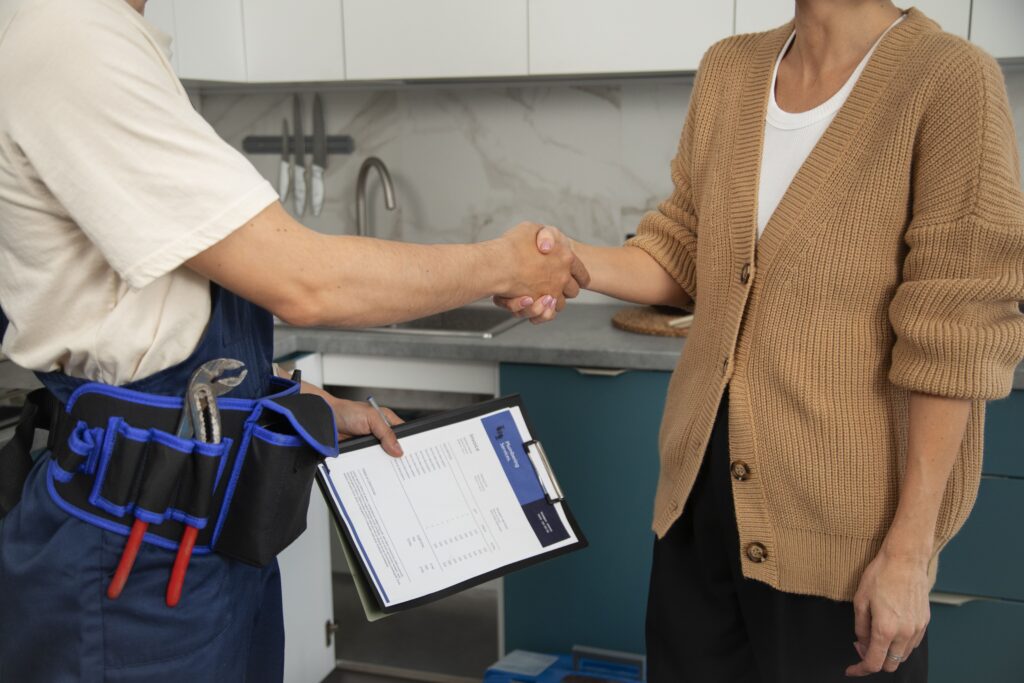
What Should a Commercial Plumbing Maintenance Plan Include?
An effective maintenance plan should address the entire plumbing system rather than focus on individual problems as they arise. The exact scope depends on the property’s size, age, occupancy, equipment, and history of plumbing issues.
Routine Plumbing System Inspections
Routine inspections help identify visible damage, deterioration, and performance issues throughout the building’s plumbing infrastructure.
A commercial plumber should inspect accessible pipes, fittings, valves, faucets, toilets, and other plumbing fixtures for leaks, corrosion, loose connections, and signs of wear. Water pressure should also be assessed where appropriate to identify potential restrictions or pressure-related problems.
Other inspection tasks may include:
- Checking exposed pipes and connections for moisture or corrosion.
- Inspecting shut-off valves and confirming accessibility.
- Looking for water stains, damaged ceilings, and other signs of hidden leaks.
- Checking frequently used fixtures for proper operation.
- Identifying aging components that may require planned replacement.
Documenting these findings helps property managers prioritize repairs and monitor changes in the system over time.
Drain and Sewer Line Maintenance
Drainage problems can quickly disrupt commercial operations, particularly in restaurants, offices, and buildings with heavily used washrooms. Regular cleaning and inspections help reduce the likelihood of recurring blockages, slow drainage, and sewer backups.
Depending on the property’s needs, a maintenance plan may include mechanical drain cleaning, removal of accumulated debris, and CCTV inspections of sewer lines when there are signs of recurring problems.
Technicians should pay particular attention to areas with a history of blockages, shared drainage systems, and lines exposed to heavy usage. Repeated clogs should be investigated to determine whether the underlying cause is grease buildup, damaged pipes, root intrusion, or another obstruction.
Scheduled drain maintenance helps businesses address developing issues before they cause significant downtime or water damage.
Backflow Prevention and Testing
Backflow prevention devices help protect potable water supplies from contamination caused by reverse water flow. These devices are particularly important in commercial and industrial properties where plumbing systems may connect to equipment or processes that create a contamination risk.
A maintenance plan should identify installed backflow prevention devices, document their locations, and establish inspection and testing schedules based on applicable requirements.
Typical tasks include:
- Inspecting devices for visible damage, leaks, and deterioration.
- Arranging required testing by qualified professionals.
- Recording test results and maintaining relevant documentation.
- Scheduling repairs and retesting when a device fails.
- Tracking upcoming compliance deadlines.
Businesses in Toronto and the GTA should confirm the applicable municipal requirements for their property and type of backflow prevention device. Testing frequency should not be assumed to be the same for every installation.
Grease Interceptor and Kitchen Drain Maintenance
Restaurants, cafeterias, hotels, and other food service businesses need particular attention to grease management. Fats, oils, and grease can accumulate inside pipes, restricting wastewater flow and increasing the risk of blockages and unpleasant odours.
Where a grease interceptor is installed, its maintenance schedule should reflect kitchen activity, grease accumulation, equipment capacity, and applicable local requirements.
A service plan may include:
- Inspecting grease interceptors for proper operation and signs of damage.
- Arranging cleaning and removal of accumulated grease as needed.
- Checking kitchen drains for slow flow and recurring blockages.
- Inspecting accessible drain connections and associated plumbing.
- Keeping service records and monitoring recurring drainage issues.
Waiting until a kitchen drain becomes blocked can lead to interruptions during busy service periods. Scheduled maintenance helps commercial kitchens operate more reliably and reduces the risk of avoidable plumbing problems.
Water Heater and Water Supply System Checks
Commercial water heaters and water distribution systems must operate reliably to meet the needs of employees, customers, tenants, and equipment. A failure can affect daily operations, particularly in facilities that depend on a consistent supply of hot water.
Preventive inspections may cover the following:
- Checking water heaters for leaks, corrosion, and visible damage.
- Assessing hot water delivery and temperature control.
- Inspecting accessible supply pipes, valves, and connections.
- Looking for unusual pressure fluctuations or inconsistent water flow.
- Reviewing the condition and service history of aging equipment.
Additional maintenance should follow the manufacturer’s recommendations and the requirements applicable to the installed equipment. Depending on the system, servicing may involve qualified technicians performing more detailed checks or replacing worn components.
Keeping records of recurring faults and equipment age also helps property managers plan replacements before a major failure occurs.
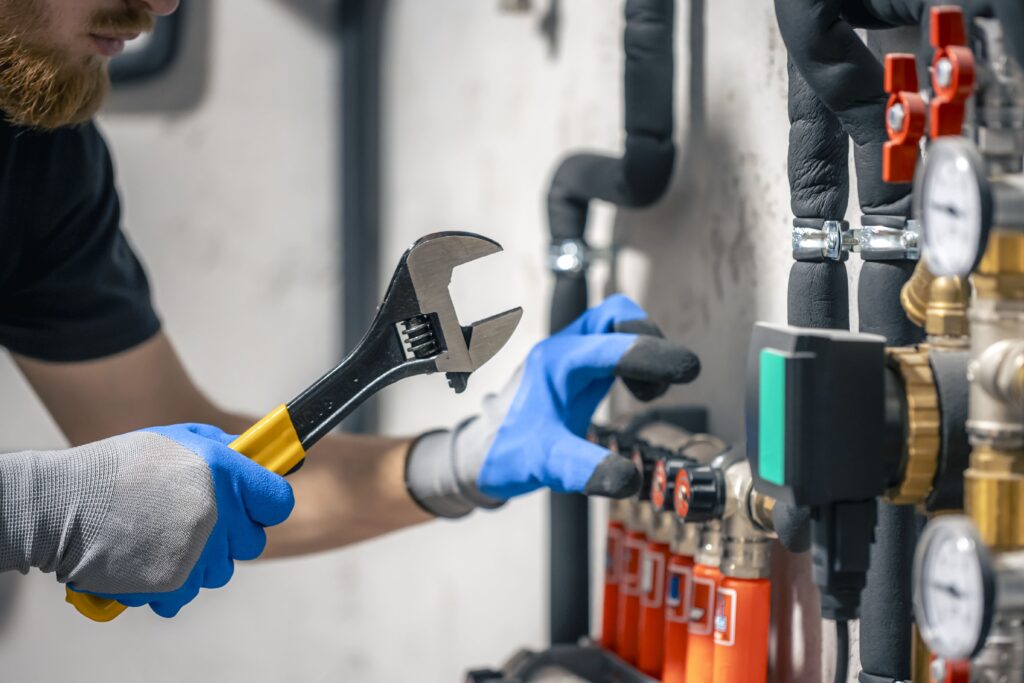
Sump Pumps, Backwater Valves, and Flood Prevention
Water entering a basement or lower-level commercial space can damage inventory, equipment, electrical systems, and building materials. Drainage and flood-prevention equipment should therefore be included in maintenance planning wherever installed.
Sump pump inspections may involve checking the pump’s operation, float switch, discharge line, and visible electrical connections. Where appropriate, technicians can test the system to confirm that it activates and removes water as intended.
Backwater valves should also be inspected for obstructions, visible damage, and signs of malfunction. These devices help reduce the risk of sewage backing up into a building through connected drainage systems, but they require appropriate maintenance to function properly.
Other considerations include:
- Identifying areas vulnerable to water accumulation.
- Checking accessible drainage components for blockages.
- Reviewing the history of basement flooding or sewer backups.
- Scheduling repairs for damaged or unreliable equipment.
- Confirming that installed systems are suitable for the property’s needs.
Maintenance cannot eliminate every flooding risk, but it can help identify equipment failures and drainage issues before they cause more extensive damage.
Leak Detection and Early Problem Identification
Small leaks may appear insignificant at first, but they can lead to water damage, mould growth, higher utility bills, and deterioration of building materials if left unresolved.
A commercial plumbing maintenance plan should include monitoring for visible leaks and investigating warning signs that may indicate hidden problems.
These warning signs include unexplained increases in water consumption, persistent dampness, water stains, musty odours, reduced water pressure, and recurring moisture around pipes or fixtures.
Depending on the situation, a plumber may recommend specialized leak detection methods to locate problems inside walls, beneath floors, or in other concealed areas.
When an issue is identified, it should be documented and assigned an appropriate priority. Active leaks and conditions that threaten safety or cause ongoing damage require prompt attention, while less urgent deterioration can be addressed through planned repairs.
How Often Should Commercial Plumbing Maintenance Be Performed?
There is no single maintenance schedule that suits every commercial property. The appropriate frequency depends on the building’s plumbing infrastructure, the intensity of water usage, the type of business, equipment requirements, and applicable regulations.
A general starting point may look like this:
- Monthly: Review reported plumbing problems, check high-use fixtures, and look for visible leaks or unusual water consumption.
- Quarterly: Inspect selected plumbing components, review recurring drain issues, and assess equipment that requires regular monitoring.
- Every six months: Arrange more detailed inspections of relevant plumbing systems and review the condition of high-use components.
- Annually: Conduct a broader assessment of the plumbing system, review maintenance records, and plan repairs or replacements.
These intervals are examples for planning purposes, not universal requirements. Restaurants may need more frequent grease interceptor servicing, while backflow device testing and other regulated work must follow the applicable requirements. Certain equipment may also require more frequent inspections under manufacturer instructions.
A qualified commercial plumber can help establish an appropriate schedule after assessing the property’s systems and maintenance history.
How to Create a Preventive Plumbing Maintenance Schedule
A structured schedule makes maintenance easier to manage, budget for, and track over time. Businesses can use a plumbing preventive maintenance checklist to assign responsibilities, record completed inspections, and ensure that important tasks are not overlooked.
The process should begin with an assessment of the building’s plumbing infrastructure. This includes identifying major equipment, documenting the locations of shut-off valves and backflow devices, reviewing available service records, and noting areas with a history of leaks or blockages.
Next, property managers should prioritize components according to their condition and the consequences of failure. A recurring sewer blockage or unreliable sump pump may require more immediate attention than a fixture showing minor cosmetic wear.
A practical maintenance schedule should include:
- An inventory of plumbing assets: Record major equipment, system locations, installation dates where available, and relevant service information.
- Defined inspection intervals: Assign appropriate maintenance frequencies to each component.
- Clear responsibilities: Specify which tasks are handled by facility staff and which require a qualified plumbing professional.
- A reporting process: Document inspection findings, completed work, identified defects, and recommended repairs.
- A repair prioritization system: Address urgent problems promptly and schedule less critical work according to risk.
- Regular schedule reviews: Update the plan when equipment changes, recurring issues emerge, or business operations expand.
Businesses should also consider maintenance access and scheduling. Arranging inspections outside peak operating hours may help reduce disruption to customers, employees, and tenants.
Although home plumbing preventive maintenance may involve checking household fixtures and water heaters, commercial properties generally require a more comprehensive approach because they often have more complex systems, higher demand, and additional compliance responsibilities.
How to Choose a Commercial Plumbing Maintenance Provider
Choosing the right provider is an important part of an effective maintenance strategy. Commercial plumbing systems can differ considerably from residential installations, so businesses should look for a contractor with relevant experience and the ability to support their specific operational requirements.
When evaluating providers, consider the following factors:
- Commercial plumbing experience: Look for experience with properties and systems similar to yours.
- Comprehensive service coverage: Confirm that the provider can address inspections, drain cleaning, leak repairs, backflow testing, and other relevant maintenance needs.
- Knowledge of local requirements: Ensure the contractor understands applicable Ontario and municipal regulations.
- Clear service documentation: Ask how inspection findings, completed work, and recommended repairs will be recorded.
- Flexible scheduling: Consider whether maintenance can be arranged to minimize disruption to business operations.
- Transparent pricing: Request a clearly defined scope of work, service frequency, and information about additional repair charges.
- Responsive repair support: Establish how urgent issues will be handled if a problem develops between scheduled visits.
Before agreeing to a service plan, clarify which tasks are included, which are billed separately, and whether replacement parts, specialized inspections, and emergency callouts are covered.
The goal is to establish a long-term maintenance arrangement that reflects the property’s actual needs rather than pay for services that are unnecessary or overlook critical equipment.
Keep Your Commercial Plumbing System Reliable with POM Plumbing
A proactive maintenance strategy helps businesses identify developing plumbing problems, reduce avoidable interruptions, and make informed decisions about repairs and equipment replacement. Regular inspections, scheduled drain servicing, backflow prevention, leak detection, and equipment checks all contribute to a more reliable plumbing system.
POM Plumbing provides commercial plumbing services for businesses in Toronto and the Greater Toronto Area. Whether your property requires drain cleaning, pipe repairs, backflow testing, sump pump services, or ongoing plumbing maintenance, a tailored approach can help address the needs of your facility.
Contact POM Plumbing to discuss your commercial plumbing requirements and determine which maintenance services are appropriate for your building.
FAQ
A commercial plumbing maintenance plan typically includes routine pipe and fixture inspections, drain and sewer line maintenance, leak detection, backflow device testing, water heater checks, and inspections of sump pumps and backwater valves where installed. The exact scope depends on the property’s plumbing systems, usage, and applicable regulations.
The frequency depends on the building’s age, size, water usage, and plumbing equipment. High-use facilities, such as restaurants and industrial buildings, may require more frequent inspections. A qualified commercial plumber can recommend a schedule based on the property’s condition and maintenance history.
Regular maintenance helps identify leaks, blockages, and equipment deterioration before they cause major damage or interrupt business operations. It can also improve system reliability, support compliance with applicable requirements, and make maintenance expenses more predictable.
Some commercial properties are required to install and maintain backflow prevention devices to protect the potable water supply. Testing requirements and intervals depend on the applicable regulations and the type of installation. Property owners should confirm their obligations with the relevant municipality and a qualified plumbing professional.
Preventive maintenance can reduce the likelihood of many plumbing emergencies by identifying developing problems early. However, it cannot eliminate every risk, as sudden equipment failures, severe blockages, and unexpected pipe damage can still occur.
