




Grease traps and grease interceptors prevent fats, oils and grease (FOG) from entering drainage systems, where they can accumulate, restrict wastewater flow and contribute to sewer blockages. Both devices separate grease from wastewater, but their design, capacity, installation requirements and maintenance needs can differ.
For restaurants, cafés and other food service establishments in Toronto, choosing suitable equipment depends on wastewater volume, connected fixtures, available space and applicable municipal requirements. Understanding these factors helps property owners select an appropriate system and reduce the risk of expensive plumbing problems.
What Is a Grease Trap?
A grease trap is a device that separates fats, oils and grease from wastewater before it enters the drainage system. It is commonly used in smaller commercial kitchens where the expected flow and grease load can be managed by a compact unit.
Wastewater enters the device and slows down, allowing lighter grease to rise while heavier food particles settle. The separated water then flows towards the outlet.
Typical applications include:
- Small cafés and restaurants.
- Commercial kitchens with limited sink connections.
- Food preparation areas with relatively low wastewater volumes.
- Businesses where a compact installation is practical.
A hydro-mechanical grease trap uses controlled flow and internal components to improve separation within a relatively compact space. Depending on the model, it may be installed beneath a sink or near the fixtures it serves.
Regular cleaning is essential because accumulated grease and food debris reduce the available capacity and can interfere with drainage.
What Is a Grease Interceptor?
A grease interceptor separates fats, oils and grease from wastewater and is often used in commercial kitchens with higher wastewater volumes or greater grease loads.
Many conventional interceptors use gravity and a larger holding volume to separate contaminants over time. Internal compartments or baffles help retain grease and solids while allowing separated wastewater to move towards the outlet.
A gravity grease interceptor may be installed outdoors, below ground or in another suitable location, depending on its design and site conditions.
These systems may be suitable for:
- Busy restaurants with multiple kitchen sinks.
- Hotels and catering facilities.
- Institutional kitchens.
- Food preparation facilities with substantial wastewater loads.
- Commercial properties where local requirements specify a particular system.
Larger equipment is not automatically the best option. Capacity, installation requirements and maintenance access must all be considered.
Grease Trap vs. Grease Interceptor: Key Differences
The terminology is not universal. Some jurisdictions and manufacturers use the terms interchangeably, while others distinguish equipment by design, capacity or performance standards.
| Comparison factor | Grease trap | Grease interceptor |
|---|---|---|
| Typical size | Often compact | Often larger |
| Common placement | Under or near kitchen fixtures | Indoors, outdoors or underground, depending on design |
| Typical application | Lower-flow installations | Higher-flow or higher-load installations |
| Separation method | Often hydro-mechanical | Often gravity-based, although other designs exist |
| Space requirements | Usually less space | May require a dedicated installation area |
| Maintenance | Regular removal of grease and solids | Planned cleaning and inspection based on capacity and loading |
| Installation considerations | Fixture connections and accessibility | Capacity, site conditions, access and applicable requirements |
The grease trap vs grease interceptor comparison should focus on actual equipment specifications rather than relying on size alone.
The grease trap vs interceptor distinction also depends on the terminology used by the local authority. Before selecting equipment, confirm the applicable definitions, installation rules and manufacturer’s specifications.
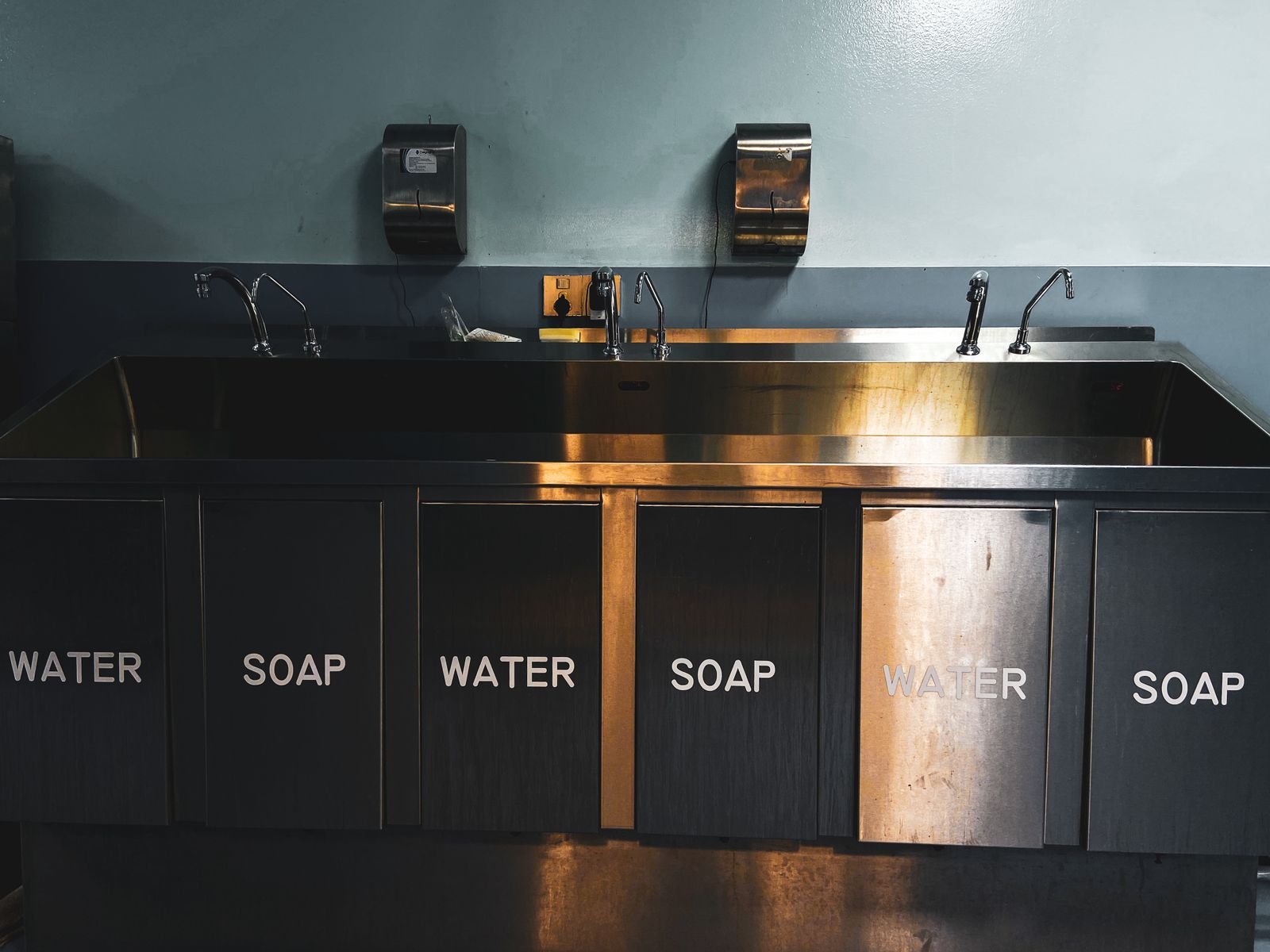
How Do Grease Traps and Interceptors Work?
Both systems separate grease and solids from wastewater before discharge.
The process generally involves three stages:
- Wastewater enters the unit. Water from connected kitchen fixtures carries grease, oils and food particles into the device.
- Separation takes place. Flow slows, allowing lighter fats and oils to rise while heavier solids settle.
- Separated wastewater exits. The outlet directs the water into the drainage system while retained material remains inside until cleaning.
The grease trap and grease interceptor serve the same general purpose, but their design, capacity and installation requirements can differ depending on the equipment specifications and local regulations.
Effective grease separation depends on equipment design, temperature, flow conditions and the amount of grease entering the system. Excessive flow can reduce the time available for separation, while hot water and detergents can affect how grease behaves.
How to Choose the Right System for a Commercial Kitchen?
The appropriate equipment depends on how the premises operate, not simply on the type of business.
Small Restaurants and Cafés
A compact grease trap may be suitable where wastewater volumes are relatively low and connected fixtures can be served within the equipment’s rated capacity.
Consider the number of sinks, the frequency of food preparation and whether the unit can be accessed easily for cleaning.
Busy Commercial Kitchens
Restaurants with several sinks, dishwashing equipment and intensive food preparation may require a larger or higher-capacity system.
The selection should account for simultaneous water use, grease loading and expected peak flow. A system that performs adequately during quiet periods may be undersized during busy service hours.
Large Food Service Facilities
Hotels, institutional kitchens and large catering operations may require a dedicated interceptor with sufficient capacity for connected fixtures and operating conditions.
Professional assessment can help coordinate equipment selection, drainage connections and access for future maintenance.
POM Plumbing provides Commercial Plumbing services for commercial properties. A qualified plumbing professional can assess the installation and identify the requirements that apply to the site.
What Determines Grease Interceptor Sizing?
Correct sizing is essential for effective grease retention. An undersized device may allow grease to pass into downstream pipes, while an unnecessarily large unit can increase installation costs and complicate maintenance.
Important factors include:
- Fixture volume: The volume and type of sinks, dishwashers and other connected fixtures.
- Flow rate: Expected wastewater discharge, including peak operating periods.
- Grease load: The amount of fats, oils and food residue generated by kitchen activities.
- Connection layout: The number and arrangement of fixtures connected to the unit.
- Local requirements: Applicable plumbing codes, municipal sewer bylaws and approval conditions.
- Manufacturer specifications: Rated capacity, permitted connections and installation limitations.
A reliable sizing assessment should follow the method required by the relevant authority and equipment manufacturer. A generic flow-rate threshold should not be treated as a universal rule.
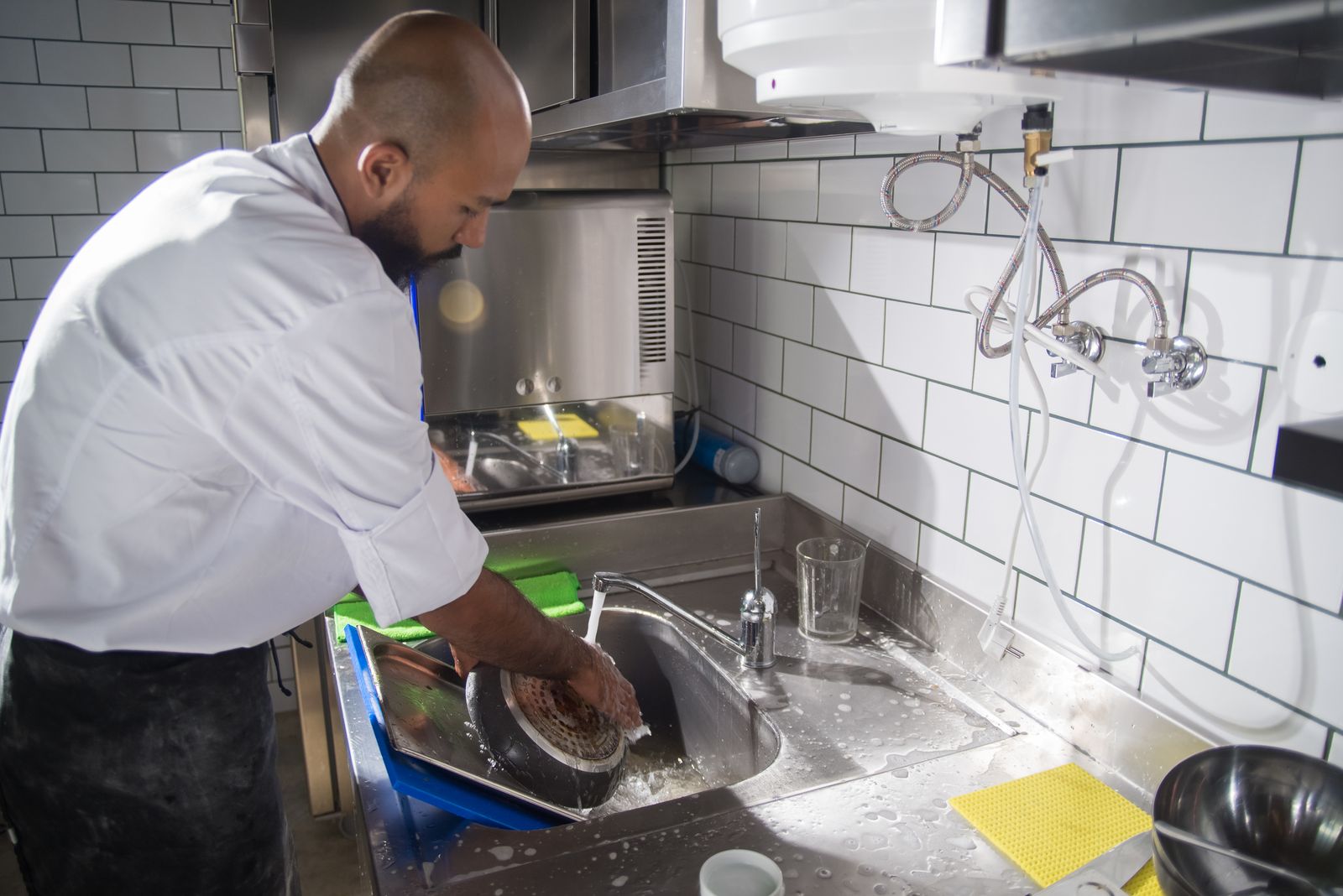
Installation, Cleaning and Maintenance
Even correctly selected equipment can perform poorly if it is installed incorrectly or cleaned too infrequently.
A maintenance plan should account for the actual grease load, operating hours, equipment capacity and local requirements.
Common warning signs that the system needs attention include:
- Slow drainage from connected sinks.
- Persistent unpleasant odours near kitchen fixtures.
- Grease visible around accessible openings.
- Repeated blockages in downstream pipes.
- Wastewater backing up into sinks or floor drains.
Do not wait for a complete blockage before arranging an inspection. Accumulated grease can restrict pipes beyond the device, making the eventual repair more extensive.
POM Plumbing provides Drain Cleaning Toronto Services for drainage problems. Cleaning a grease interceptor and clearing downstream drains are separate tasks, so the source of a recurring blockage should be identified before deciding on the required work.
Businesses should maintain records of cleaning dates, inspections and recurring problems. These records help identify maintenance patterns and establish whether the current system is performing adequately.
Common Mistakes When Selecting Grease Equipment
Several avoidable mistakes can reduce performance or increase long-term costs:
- Choosing equipment based only on its physical dimensions.
- Ignoring peak wastewater flow during busy periods.
- Connecting additional fixtures without reassessing capacity.
- Installing equipment where access for cleaning is restricted.
- Assuming all equipment follows the same sizing rules.
- Delaying maintenance until drainage problems appear.
Correcting these issues early can help reduce service interruptions and protect the building’s drainage infrastructure.
When Should You Call a Commercial Plumber?
Professional assistance is advisable when selecting equipment for a new commercial kitchen, replacing an existing unit or investigating recurring drainage problems.
A plumber can assess connected fixtures, review the installation layout, identify potential capacity issues and help determine whether the existing system meets applicable requirements.
If wastewater is backing up, drainage is repeatedly slowing or grease accumulation continues despite routine cleaning, the problem may extend beyond the interceptor itself.
POM Plumbing offers Emergency and Regular Maintenance for plumbing issues that require professional attention. The appropriate response depends on the severity of the problem and the equipment involved.
For commercial plumbing assessments, installation and ongoing maintenance, contact POM Plumbing.
FAQ
Not everywhere. Some authorities distinguish them by design, capacity or certification, while others use the terms more broadly. Check the applicable local code and municipal requirements before selecting equipment.
Potentially, if the selected model is appropriately rated and permitted for the installation. The restaurant’s expected flow, connected fixtures and applicable requirements determine whether it is suitable.
There is no single schedule suitable for every installation. Cleaning frequency depends on grease accumulation, operating conditions, capacity and local requirements. Follow the manufacturer’s instructions and applicable rules, and arrange service before accumulated material interferes with performance.
Grease can accumulate on pipe walls, combine with other debris and restrict wastewater flow. Significant blockages may cause backups, unpleasant odours and expensive drainage repairs.
A qualified plumbing professional should assess the proposed installation, verify applicable requirements and ensure that the selected equipment is correctly connected and accessible for maintenance.
