

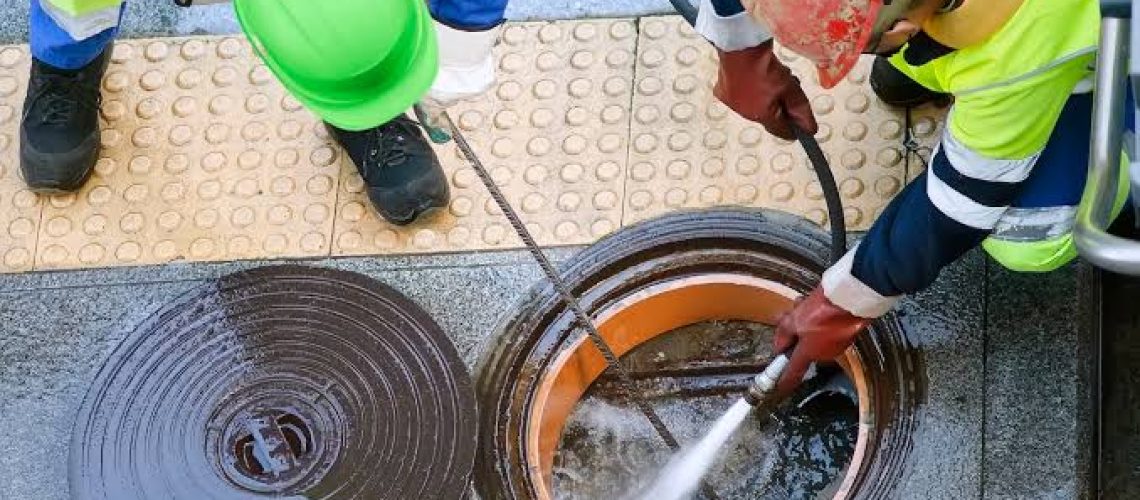

Commercial drains handle daily wastewater, grease, food particles, soap residue, and other debris. Without regular maintenance, buildup can restrict water flow, cause unpleasant odors, and lead to unexpected plumbing emergencies that disrupt business operations.
For many commercial properties, professional drain cleaning every 6–12 months is a reasonable starting point. However, restaurants, commercial kitchens, and high-traffic buildings may require more frequent service. The ideal schedule depends on drain usage, pipe condition, the type of waste entering the system, and previous blockage issues.
Recommended Cleaning Frequency by Business Type
Different businesses place different demands on their drainage systems. Establishing a cleaning schedule based on how the property operates helps prevent recurring clogs and costly repairs.
- Restaurants and commercial kitchens: Kitchen drains accumulate grease, oil, and food particles quickly. Busy establishments may need professional drain cleaning every 1–3 months, depending on usage and the severity of buildup. Grease interceptors require separate maintenance according to applicable requirements and operating conditions.
- Office buildings and retail spaces: These properties generally produce less grease and food waste. Professional cleaning every 6–12 months may be sufficient when drains are functioning properly and there is no history of recurring blockages.
- Condominiums and high-rise buildings: Shared drainage systems handle wastewater from multiple units, increasing the potential for buildup. Quarterly or semiannual assessments can help property managers determine whether professional cleaning is necessary.
- Industrial and warehouse facilities: The appropriate schedule depends on the materials entering the drainage system, wastewater volume, and the type of operations performed on-site. Facilities handling substantial debris or process waste may require more frequent maintenance.
These intervals are starting points rather than fixed rules. A professional plumber can evaluate the drainage system and recommend a schedule based on the building’s specific needs.

Signs Your Drains Need Professional Cleaning
Even with a maintenance plan in place, certain warning signs indicate that drains need attention sooner than expected.
Watch for:
- Slow drainage: Water takes longer than usual to leave sinks, floor drains, or other fixtures.
- Recurring clogs: The same drain becomes blocked repeatedly, suggesting that residue or an obstruction remains inside the pipe.
- Unpleasant odors: Persistent sewer smells or foul odors coming from floor drains may indicate accumulated waste, a drainage problem, or a dried-out trap.
- Gurgling noises: Bubbling sounds can signal restricted airflow or a partial blockage in the drainage system.
- Water backups: Wastewater backing up into sinks or floor drains may indicate a more serious blockage that requires prompt attention.
Multiple affected fixtures or sewage backups warrant immediate professional assessment. Addressing these problems early can reduce the risk of property damage, sanitation concerns, and business interruptions.
When to Hire a Plumber to Clean Drains?
Routine maintenance can help prevent drainage problems, but some situations require professional equipment and experience. Contact a plumber when clogs keep returning, several drains are affected simultaneously, or water backs up despite basic maintenance.
A qualified professional can determine whether the issue involves localized debris, grease accumulation, a main drain blockage, or a damaged pipe. If you are searching for a plumber to clean drains in a commercial property, prioritize a provider who can diagnose the underlying cause rather than simply clear the immediate obstruction.
Professional service is especially important for restaurants, multi-unit buildings, and facilities where drainage problems can affect employees, customers, tenants, or essential operations.
Professional Drain Cleaning Methods
The right cleaning method depends on the type of blockage, pipe material, and condition of the plumbing system. Common professional methods include:
- Drain snaking: A mechanical cable breaks apart or removes localized obstructions, such as accumulated debris, hair, and other solid material.
- Hydro jetting: Specialized equipment uses high-pressure water to remove grease, sludge, and other buildup from suitable pipes. The plumber should first assess whether the piping can safely withstand the pressure.
- Drain camera inspection: A small camera helps identify blockages, buildup, root intrusion, cracks, and other issues inside the drainage line.
- Power flushing: Water-based flushing equipment helps remove accumulated residue from suitable commercial drainage systems.
The best way to clean drains is to match the method to the actual problem. A simple obstruction may respond well to mechanical cleaning, while heavy grease buildup may require a more thorough approach. Inspection is particularly valuable when blockages keep returning or the pipe’s condition is uncertain.
How Professionals Clean Out Drains and Plumbing Systems
Professional drain cleaning involves more than removing a visible clog. A systematic process helps restore drainage and identify problems that could cause future blockages.
First, the plumber assesses the symptoms, checks the affected fixtures, and determines whether the blockage is localized or part of a larger drainage issue. Depending on the situation, a camera inspection may be needed to evaluate the pipe’s interior.
Next, the technician selects the appropriate cleaning method and removes accumulated debris, grease, or other obstructions. For larger commercial properties, this may involve inspecting multiple access points or sections of the drainage network.
After cleaning, the plumber checks water flow and verifies that the affected drains are functioning correctly. If the inspection reveals damaged pipes, recurring buildup, or another underlying issue, the plumber can recommend the necessary repairs or adjustments to the maintenance schedule.
This approach helps businesses address existing problems while reducing the likelihood of repeated service calls.

How to Maintain Commercial Drains Between Cleanings
Professional service is only one part of effective drainage maintenance. Daily practices and regular inspections can reduce buildup and extend the time between cleaning appointments.
Follow these maintenance practices:
- Remove waste before it enters drains. Keep food scraps, coffee grounds, wipes, paper towels, and other solids out of sinks and floor drains.
- Manage grease properly. Collect cooking oil and grease in designated containers instead of pouring them into kitchen sinks.
- Clean accessible drain covers. Remove visible debris from strainers and drain grates regularly, following workplace safety procedures.
- Maintain restaurant floor drains. Staff should know how to clean restaurant floor drains using approved procedures, including removing surface debris and cleaning accessible components without damaging the drain assembly.
- Address odors promptly. The best way to clean smelly drains depends on the cause. Remove accessible residue and check for dried-out traps, but arrange a professional inspection if the odor persists or resembles sewage.
- Train employees. Make sure staff understand what should never enter drains and how to report slow drainage, unusual noises, or recurring odors.
- Keep maintenance records. Document cleaning dates, recurring problems, and repairs to identify patterns and adjust service intervals.
- Schedule preventive inspections. Have a plumbing professional assess high-use drainage lines before minor buildup turns into a major blockage.
Knowing how to clean drains as part of routine housekeeping can help maintain sanitary conditions, but surface cleaning is not a substitute for removing buildup inside pipes. Avoid relying on harsh chemical cleaners, which may damage some plumbing materials and do not necessarily resolve the cause of a blockage.
For commercial properties in Toronto and the Greater Toronto Area, POM Plumbing provides drain cleaning and plumbing services to help businesses maintain reliable drainage systems. Regular professional maintenance, combined with good daily practices, can help reduce unexpected blockages and keep commercial operations running smoothly.
Contact POM Plumbing at (905) 625-8777 to discuss your property’s drain cleaning and plumbing maintenance needs.
FAQ
Most commercial properties benefit from professional drain cleaning every 6–12 months. Restaurants and commercial kitchens may require service every 1–3 months due to grease and food waste buildup. The ideal frequency depends on drain usage, pipe condition, and previous blockage issues.
Common warning signs include slow drainage, recurring clogs, unpleasant odors, gurgling sounds, and water backing up into sinks or floor drains. These symptoms may indicate buildup or a blockage that requires professional attention.
Regular drain cleaning helps reduce the risk of severe blockages, backups, and unexpected plumbing disruptions. Combined with routine inspections and proper waste disposal, preventive maintenance can help businesses avoid costly repairs and interruptions.
The appropriate method depends on the blockage and the condition of the pipes. Professional plumbers may use drain snaking, hydro jetting, or camera inspections to identify and remove buildup safely and effectively.
Yes. Businesses can reduce buildup by keeping food waste and grease out of drains, cleaning accessible drain covers, training staff on proper waste disposal, and reporting drainage problems early. These practices complement, but do not replace, professional maintenance.