

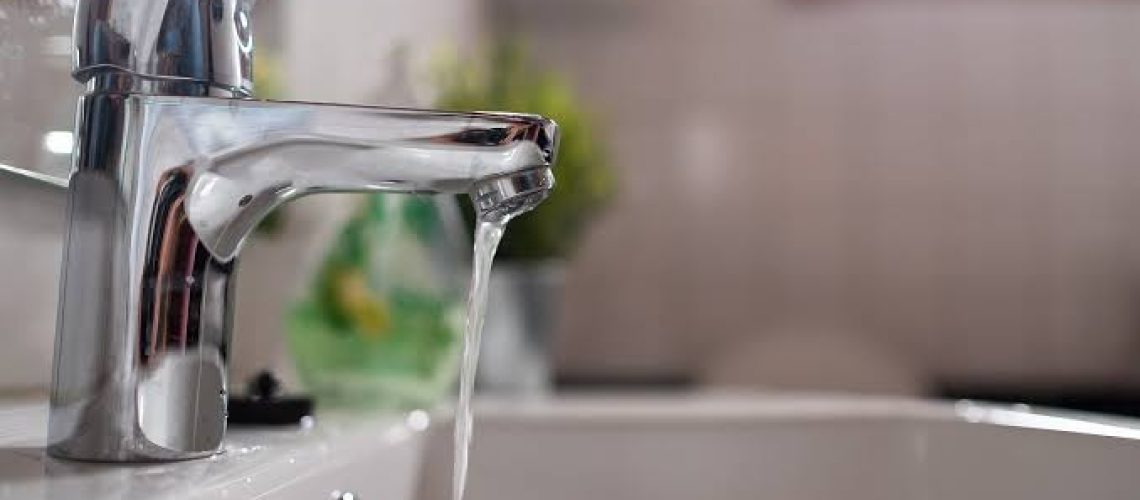

Low water pressure on the upper floors of a high-rise building can affect showers, faucets, kitchens, and other plumbing fixtures. For condominium boards, property managers, and commercial building owners, this problem can lead to tenant complaints, operational disruptions, and recurring maintenance costs.
Understanding low water pressure causes is the first step toward finding a reliable solution. While insufficient municipal supply can contribute to the problem, high-rise buildings also depend on properly functioning booster pumps, pressure regulators, and water distribution systems to deliver adequate pressure to every floor.
How Building Height Affects Water Pressure
Water pressure naturally decreases as water travels upward through a building. Gravity creates a pressure difference between lower and upper floors, meaning water needs sufficient initial pressure to reach fixtures at higher elevations.
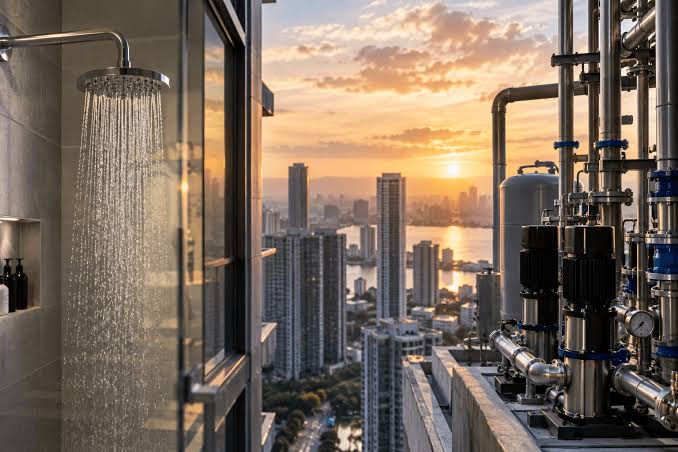
In high-rise buildings, the incoming municipal water supply may not provide enough pressure to serve the entire structure. Plumbing systems therefore use booster pumps, elevated storage tanks, or a combination of pressure zones to maintain an adequate water supply.
Pressure zones divide a building into sections, allowing each area to receive an appropriate pressure level. Pressure-reducing valves help prevent excessive pressure on lower floors, while booster pumps provide the additional pressure needed to supply upper levels.
If these systems are improperly maintained, incorrectly adjusted, or undersized for the building’s needs, occupants may experience weak water flow. If you’re wondering what causes low water pressure upstairs, the building’s height and the performance of its pressure-management equipment are important factors to investigate.
Common Causes of Low Water Pressure in High-Rise Buildings
Several plumbing issues can affect water delivery in multi-story buildings. Identifying the source of the problem is essential because the correct solution depends on whether the issue involves equipment, piping, water demand, or the municipal supply.
Faulty Booster Pumps and Pressure Regulators
Booster pumps help move water to upper floors by increasing the pressure available within the building’s distribution system. When a pump malfunctions, loses efficiency, or cannot meet the building’s demand, upper-floor residents may notice a significant reduction in water flow.
Common warning signs include:
- Weak water flow on several upper floors.
- Pressure fluctuations when multiple fixtures operate simultaneously.
- Unusual pump noises or frequent cycling.
- Water pressure that changes depending on the time of day.
Pressure-reducing valves can also contribute to the problem if they become faulty, obstructed, or incorrectly adjusted. A valve that restricts flow excessively may prevent fixtures from receiving adequate pressure.
Professional inspection can determine whether the pump requires servicing, a component needs replacement, or the pressure-control system needs adjustment. Simply increasing pump pressure without evaluating the entire system can create excessive pressure on lower floors and damage plumbing components.
Clogged Pipes, Mineral Buildup, and Leaks
Pipes accumulate mineral deposits, sediment, and corrosion over time, particularly in aging plumbing systems. These deposits can narrow the internal diameter of a pipe, restricting water flow and reducing the amount of water available at connected fixtures.
Leaks are another potential cause. A damaged pipe, deteriorated connection, or leaking riser can interfere with water distribution throughout part of a building. Signs of a leak may include damp walls, water stains, unexplained increases in water consumption, or reduced pressure across multiple fixtures.
The causes of low water pressure in home plumbing systems can overlap with those found in high-rise buildings, including obstructed pipes, leaks, and faulty valves. However, multi-story properties require additional attention because shared risers and distribution lines can affect multiple units simultaneously.
A commercial plumber can inspect accessible pipes, test the distribution system, and use specialized diagnostic equipment to locate restrictions or leaks. Depending on the findings, the appropriate solution may involve cleaning, repairing, or replacing the affected section of piping.
High Water Demand During Peak Hours
Water pressure can fluctuate when many occupants use water simultaneously. In residential towers, peak demand often occurs in the morning and evening when residents shower, cook, and use other fixtures.
If the building’s booster pumps, storage capacity, or distribution piping cannot accommodate this demand, upper floors may experience weaker flow. Lower floors may appear unaffected because they are closer to the incoming water supply or the relevant pump station.
This pattern is particularly useful when diagnosing a pressure problem. If the flow is normal during quieter periods but drops during busy hours, the plumbing system may need further evaluation to determine whether its capacity and controls adequately match actual demand.
In some cases, a pump-control adjustment or maintenance procedure may resolve the issue. In others, the building may require a system upgrade or improved pressure-zone configuration.
How to Fix Low Water Pressure on Upper Floors?
The appropriate repair depends on the location and severity of the problem. Property managers should first determine whether the issue affects one fixture, a single unit, several floors, or the entire building.
Start by gathering information from occupants. Check whether both hot and cold water are affected, whether multiple fixtures have weak flow, and whether the problem occurs continuously or only during peak hours. This information can help a plumber narrow down the possible causes.
The next step is a professional assessment of the plumbing system. A qualified technician may:
- Measure water pressure at different floors and points within the distribution system.
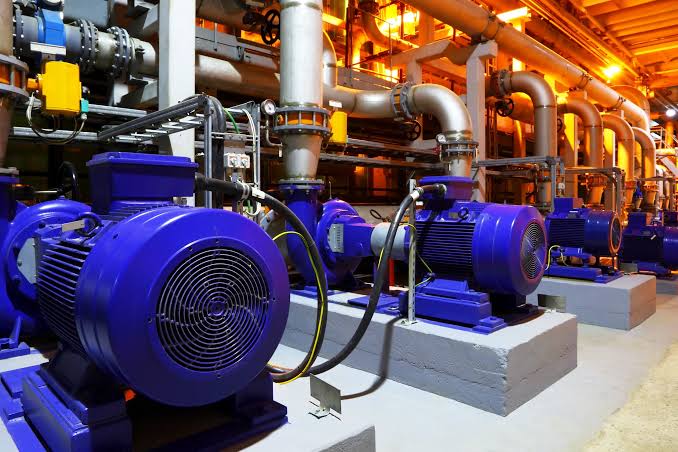
- Inspect booster pumps, pressure sensors, and control equipment.
- Check pressure-reducing valves and isolation valves for faults or restrictions.
- Investigate leaks, corroded pipes, and blocked water risers.
- Evaluate whether the existing equipment can meet the building’s water demand.
Depending on the findings, repairs may include servicing a booster pump, replacing a defective valve, repairing a leak, or addressing pipe restrictions. Buildings with recurring issues may require a more comprehensive review of their water distribution system.
For property managers searching for low water pressure Toronto solutions, it is important to work with a plumbing contractor experienced in multi-unit and high-rise buildings. A system-wide assessment is often more effective than repeatedly repairing individual fixtures without identifying the underlying problem.
When planning to fix low water pressure, avoid making unapproved adjustments to shared pumps or pressure controls. These systems affect multiple floors, and incorrect settings can create excessive pressure elsewhere in the building.
How to Prevent Low Water Pressure in High-Rise Buildings?
Preventive maintenance helps identify developing plumbing problems before they affect multiple units or require emergency repairs. Building managers should establish a maintenance schedule based on the building’s age, occupancy, equipment condition, and history of pressure issues.
- Inspect booster pumps regularly. Check pump operation, pressure readings, control settings, and signs of mechanical wear. Follow the manufacturer’s maintenance recommendations and address unusual operating conditions promptly.
- Monitor pressure across different floors. Periodic measurements can reveal pressure imbalances between zones and help identify gradual changes that may indicate equipment wear or pipe restrictions.
- Maintain pressure regulators and valves. Have pressure-control components inspected and tested by qualified professionals to ensure they maintain appropriate pressure throughout the building.
- Inspect aging pipes and water risers. Corrosion, mineral buildup, and leaks can reduce system performance over time. Scheduled inspections help determine when cleaning, repairs, or pipe replacement may be necessary.
- Keep maintenance records. Document pressure complaints, inspection results, repairs, and equipment servicing. Tracking recurring issues helps property managers recognize patterns and make informed maintenance decisions.
- Respond to complaints promptly. When several residents report weak water flow, investigate the shared plumbing system rather than treating every complaint as an isolated fixture issue.
If you’re asking, “Why is my water pressure low?” and the problem affects multiple floors or keeps returning, professional diagnosis is the safest way to determine the cause. Early intervention can help maintain reliable water delivery, reduce unexpected repairs, and protect the building’s plumbing infrastructure.
POM Plumbing provides commercial and condo plumbing services in Toronto and the Greater Toronto Area, including high-rise plumbing assessments, water riser repairs and replacement, and booster pump and pressure-control troubleshooting. For assistance with persistent water pressure problems, contact POM Plumbing at (905) 625-8777.
FAQ
Water pressure decreases with elevation because gravity opposes the upward movement of water. In high-rise buildings, faulty booster pumps, improperly adjusted pressure regulators, clogged pipes, and leaks can further reduce pressure on upper floors.
Yes. A properly sized and maintained booster pump can increase water pressure and improve water delivery to upper floors. However, a plumber should inspect the existing system to determine whether the pump is the actual cause of the problem.
Water pressure may drop when many residents use water simultaneously, increasing demand on the building’s plumbing system. If booster pumps, storage capacity, or distribution pipes cannot meet this demand, upper-floor units may experience reduced water flow.
If the problem affects several floors or multiple fixtures, the issue may involve a booster pump, pressure regulator, or shared water riser. If only one fixture is affected, a localized blockage or faulty faucet component may be responsible. A professional inspection can help identify the cause.