


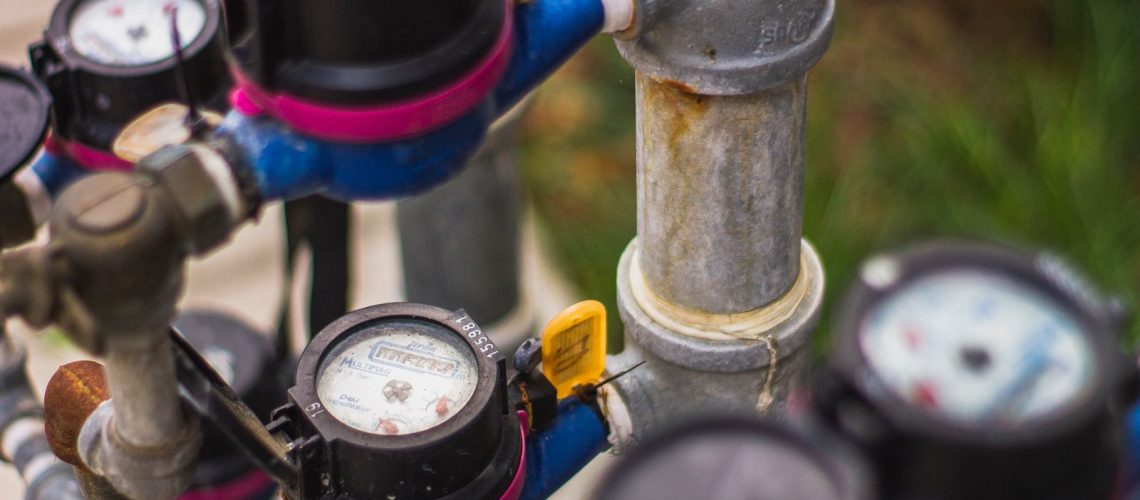

If your water meter continues to register consumption when every tap is closed, water may be flowing through your plumbing system without an obvious sign of use. Common causes include leaking toilets, hidden pipe damage, automatic appliances and faulty valves. Identifying the source early can help prevent water damage and unexpectedly high utility bills.
For homeowners in Toronto and the Greater Toronto Area, the first step is to confirm that water is actually being consumed. A systematic inspection can help determine whether the problem is inside the property, in an underground supply line or related to the meter itself.
Why Does a Water Meter Keep Moving When No Water Is Being Used?
A meter measures water passing through the supply connection. If the water meter continuously running is what you observe, start by checking whether any fixture or appliance is using water automatically.
Common causes include:
- Leaking toilet: A worn flapper or faulty fill valve may allow water to flow into the bowl and trigger repeated refilling.
- Hidden pipe leak: Damaged supply pipes behind walls, beneath floors or underground can leak without leaving visible puddles.
- Automatic appliances: Water softeners, refrigerator ice makers and reverse osmosis systems may use water during automatic cycles.
- Irrigation systems: A damaged sprinkler line or leaking outdoor tap can consume water even when indoor fixtures are off.
- Faulty valves: A valve that fails to close completely may allow unwanted flow.
- Meter or reading issues: An unusual display or inconsistent readings may require verification by the water utility.
A water meter constantly running does not automatically mean a pipe has burst. The objective is to establish whether there is unexplained consumption and narrow down its source.
How to Check Your Water Meter When All Taps Are Off
Follow these steps before attempting repairs. Do not dismantle the meter or operate equipment owned by the water utility.
1. Turn Off All Water-Using Fixtures
Close taps and showers, stop washing machines and dishwashers, and avoid flushing toilets during the test. Check whether irrigation, water treatment equipment or other automatic systems are operating.
If the water meter running is still noticeable, proceed to the next step.
2. Record the Initial Reading
Photograph the meter display or write down the reading. On a mechanical meter, look for a small flow indicator or rotating dial. On a digital model, check the displayed consumption and any available flow indicator.
A static digital display does not necessarily mean that no water is flowing.
3. Wait Without Using Water
Leave the system undisturbed for approximately 30 minutes, provided no urgent leak requires immediate attention. Compare the reading with your initial record.
If my water meter keeps running despite no intended water use, repeat the test after checking automatic appliances. A longer observation period may be needed to identify intermittent consumption.
4. Check Accessible Fixtures One at a Time
Inspect toilets, visible pipe connections, outdoor taps and appliances connected to the water supply. If you can safely isolate an individual appliance using its normal shut-off valve, observe whether the meter’s behaviour changes.
Do not force seized valves or dismantle plumbing connections. If the source remains unclear, arrange a professional inspection.
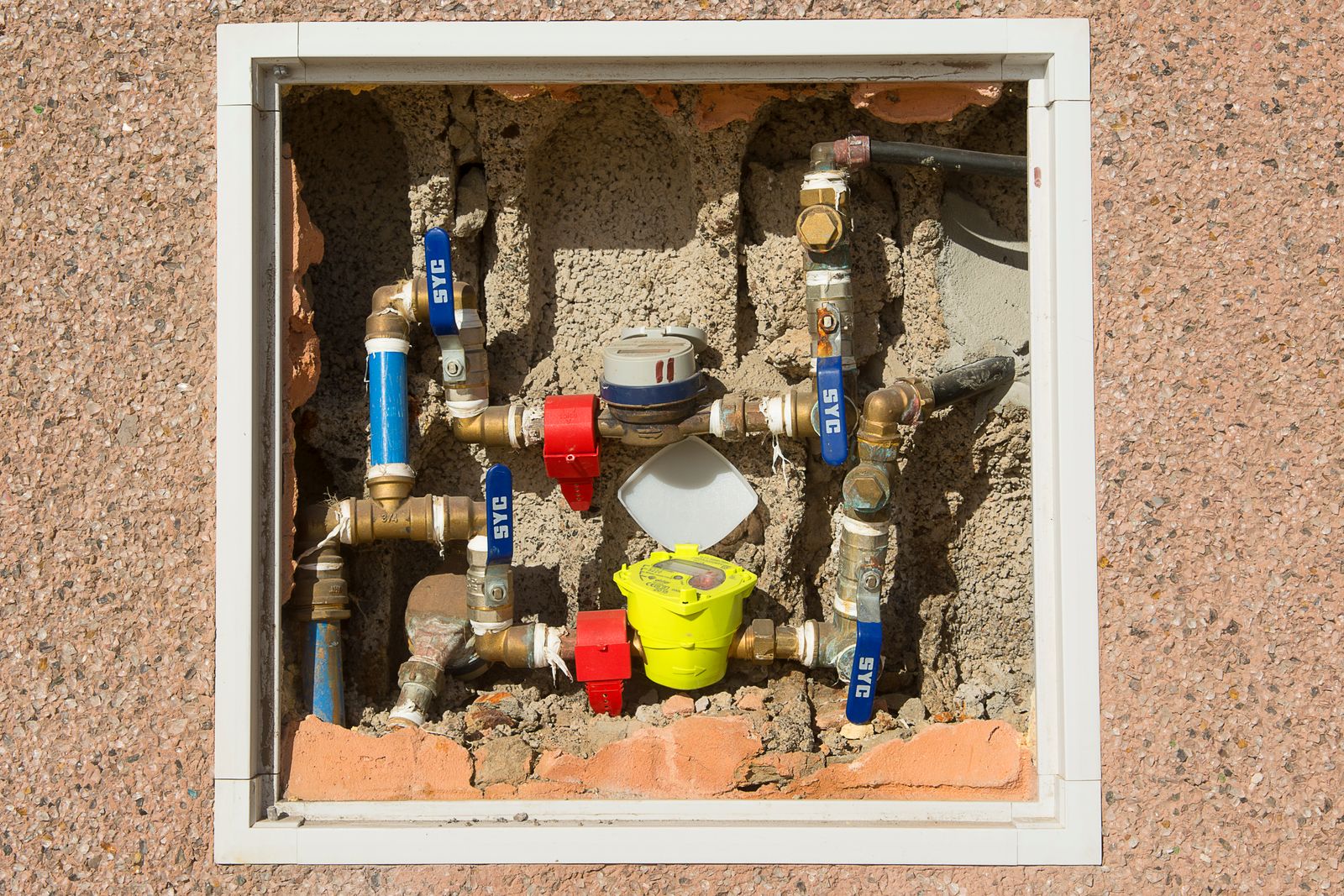
What Different Water Meter Behaviours Can Mean?
The pattern of movement can help determine what to investigate next. These observations are clues rather than definitive diagnoses.
| What you observe | Possible explanation | Recommended next step |
|---|---|---|
| Continuous movement | Persistent leakage or ongoing appliance consumption | Inspect toilets, visible pipes and automatic equipment |
| Brief movement at regular intervals | Toilet refilling or an automatic appliance cycle | Observe the timing and check the relevant equipment |
| Movement stops after isolating one appliance | Consumption may be associated with that appliance or its connection | Arrange a closer inspection if the cause is unclear |
| Readings change without visible water use | Hidden leakage or automatic consumption | Repeat the no-use test and investigate further |
| Display appears inconsistent or damaged | Possible meter or communication issue | Contact the water utility to verify the readings |
If the water meter still running after shut off is your main concern, confirm that the correct fixtures and appliances have been isolated. Closing one tap does not stop water flowing through a separate branch of the plumbing system.
Hidden Water Leaks That Can Go Undetected
A concealed leak can continue for days or weeks before visible damage appears. Even a small opening in a pressurised pipe may cause ongoing consumption.
Look for these warning signs:
- Damp patches on walls, ceilings or floors.
- Peeling paint or swollen flooring.
- Persistent musty smells.
- Unexplained changes in water pressure.
- Wet areas in the yard without recent rainfall.
- A sudden increase in your water bill without a change in household usage.
A water meter keeps running when water is off can indicate a concealed supply leak, but automatic water use must also be considered. For example, a toilet may leak directly into its bowl without wetting the surrounding floor.
If you suspect pipe damage, POM Plumbing provides leak investigation and repair services. The appropriate service depends on the plumbing system involved and the location of the leak.
Could the Problem Be in an Underground Water Line?
Not every leak originates inside the house. A damaged underground service line can allow water to escape between the meter and the building.
Possible signs include:
- Persistently wet ground without an obvious explanation.
- Unusually green patches of grass during dry weather.
- Water collecting near the foundation.
- Ongoing unexplained consumption despite checking accessible fixtures.
If the water shut off but meter still running situation persists after normal water use has stopped, an underground leak is one possibility. The result alone cannot confirm the location of the damage.
Responsibility for the supply line depends on the property’s arrangement and the local water utility’s rules. Contact the utility to clarify which section it maintains before arranging excavation or repairs.
What If the Water Meter Is Faulty?
A faulty meter is possible, but it should not be the first assumption. A moving flow indicator generally suggests movement through the meter, while a digital reading that appears unusual may need further verification.
To investigate a suspected fault:
- Record the displayed reading and the time.
- Repeat the no-use test under the same conditions.
- Photograph any unusual display messages or inconsistent readings.
- Contact the water utility if the readings remain questionable.
Do not remove seals, open the meter housing or attempt to recalibrate the device. The utility can advise whether the meter needs testing or replacement.
When Should You Call a Professional Plumber?
Arrange a plumbing inspection when unexplained consumption continues, the source cannot be isolated safely or there are signs of concealed pipe damage.
Seek prompt assistance if you notice active flooding, rapidly spreading dampness, a sudden loss of water pressure or water near electrical equipment. If safe, shut off the property’s main water supply and avoid entering flooded areas containing electrical hazards.
POM Plumbing offers emergency plumbing services for situations that require professional attention. For general plumbing assistance and service information, visit POM Plumbing.
How to Prevent Future Water Leaks?
Regular checks can help identify problems before they cause substantial water loss.
- Inspect toilet bowls and listen for unexpected refilling.
- Check exposed supply pipes and connections for moisture or corrosion.
- Review water bills for unexplained changes in consumption.
- Examine outdoor taps and irrigation equipment before seasonal use.
- Arrange maintenance when valves, fixtures or appliances show signs of wear.
If a toilet is suspected, POM Plumbing also provides toilet repair services.
FAQ
Yes. Water may be passing through the system because of a leaking toilet, automatic appliance or concealed supply pipe. Some leaks remain hidden behind walls or underground, so the absence of visible water does not rule them out.
Contact a plumber if you suspect a leak inside the property or need help identifying its source. Contact the water utility if the meter appears damaged, readings seem inaccurate or you need to establish responsibility for the supply line.
Yes. A small, continuous flow can accumulate over time because water is being lost throughout the day. The actual cost depends on the flow rate, duration and applicable water charges.
A properly functioning, accessible main shut-off valve may help isolate the property’s plumbing system. Do not force a stuck valve or operate utility-owned equipment. If you are unsure which valve controls the property, ask a qualified plumber for assistance.
Record the readings, avoid unnecessary water use and arrange a professional inspection. The remaining possibilities may include a concealed leak, an inaccessible automatic water user, a supply-line problem or a meter issue requiring verification.
