


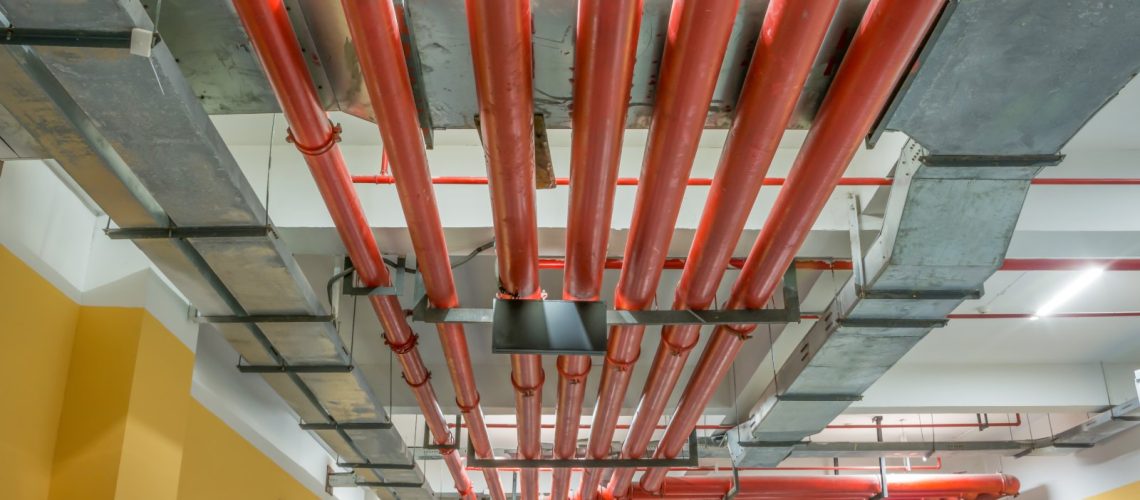

Winter temperatures in Toronto can put commercial plumbing systems under significant stress. Pipes in parking garages, loading areas, basements and vacant units are particularly vulnerable when temperatures drop. A burst pipe can interrupt business operations, damage equipment, flood occupied spaces and lead to expensive repairs.
Commercial plumbing winterization should begin before sustained freezing weather arrives. Building owners and property managers need to inspect vulnerable pipework, maintain adequate indoor temperatures, address leaks and prepare an emergency response plan. These measures help protect tenants and keep essential building services operating throughout winter.
Why Winter Preparation Matters for Commercial Buildings?
Commercial properties often have complex plumbing networks serving multiple floors, washrooms, kitchens, mechanical rooms and tenant spaces. A single plumbing failure can affect several businesses or interrupt essential operations.
Common winter risks include:
- Frozen water supply lines in unheated areas.
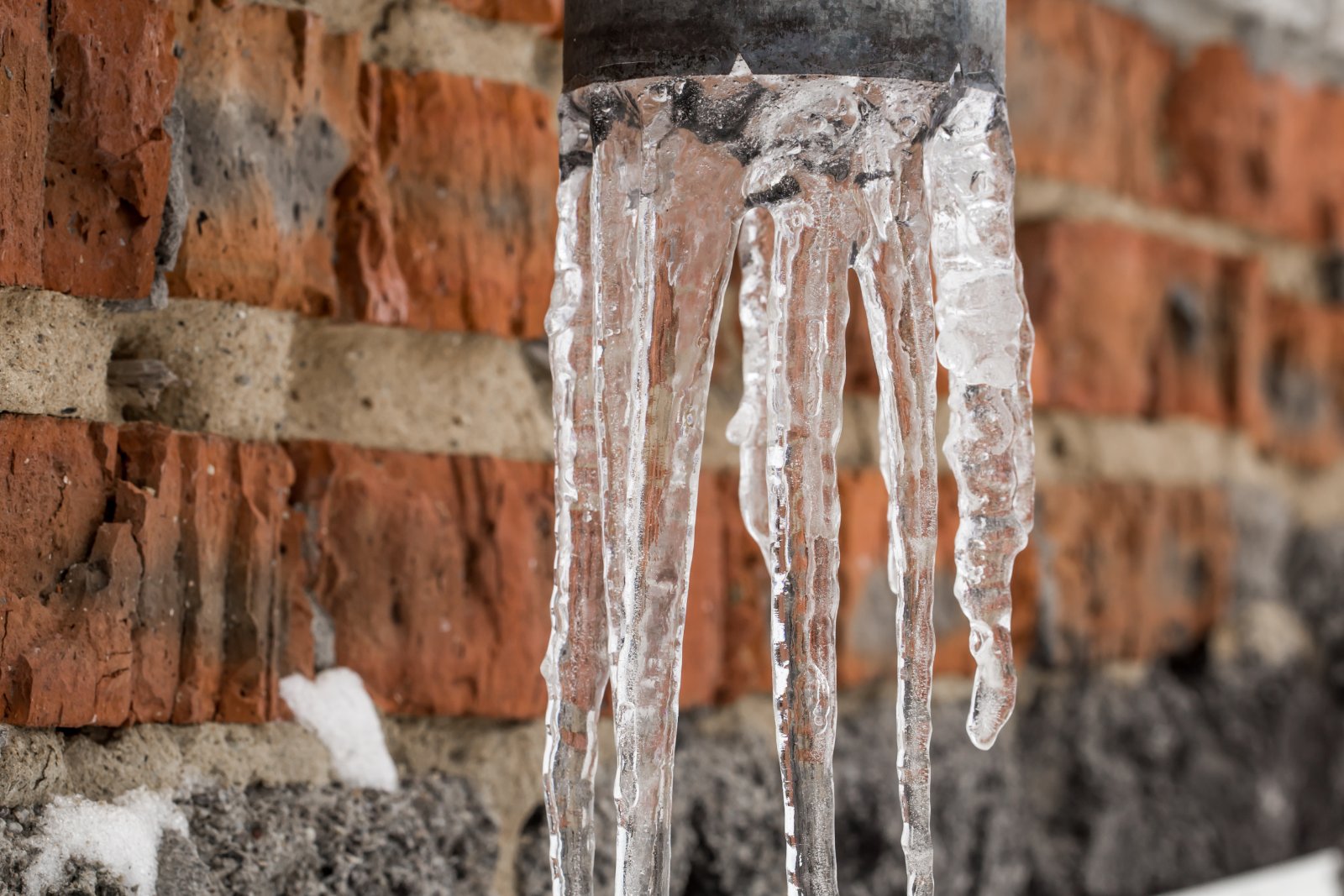
- Cracked pipes and fittings caused by expanding ice.
- Leaks from damaged joints and existing weak points.
- Reduced water flow when ice restricts a pipe.
- Drainage problems that disrupt kitchens, washrooms and other facilities.
- Water damage to electrical equipment, inventory, ceilings and finished interiors.
A planned inspection gives property managers time to correct problems before emergency repairs become necessary. It also helps identify areas that need additional insulation, heating or temperature monitoring.
1. Inspect Pipes and Identify Vulnerable Areas
The first stage of commercial plumbing winter preparation is identifying where pipes are most likely to freeze. Do not limit inspections to visible plumbing in occupied offices. Check service areas and spaces that receive less heat.
Pay particular attention to:
- Pipes running along exterior walls or near poorly sealed windows.
- Water supply lines in parking garages and loading bays.
- Plumbing in basements, storage rooms and vacant units.
- Pipework near exterior doors and frequently opened entrances.
- Pipes inside ceiling voids or poorly insulated service corridors.
- Valves, joints and fittings that have leaked previously.
Look for damaged insulation, corrosion, moisture, loose connections and evidence of earlier repairs. Check whether cold air enters through gaps around doors, windows or pipe penetrations.
Record the location of vulnerable sections and assign corrective work to the appropriate maintenance team. A professional plumbing system inspection is particularly useful when pipes are concealed or recurring cold spots have already caused problems.
2. Insulate Exposed Pipes and Seal Air Leaks
Pipe insulation slows heat loss and is especially important in unheated areas, near exterior walls and wherever heating is inconsistent. Select insulation suitable for the pipe material, operating conditions and installation location.
Make sure insulation covers vulnerable fittings and connections as well as straight pipe sections. Small exposed areas can remain at risk even when most of the pipe is protected.
Recommended actions include:
- Replacing missing, wet or deteriorated insulation.
- Insulating accessible pipes and vulnerable fittings.
- Sealing gaps around exterior openings and service penetrations with suitable materials.
- Checking insulation after contractors complete other maintenance work.
- Keeping mechanical rooms and service spaces within appropriate temperature ranges.
Insulation alone cannot guarantee that pipes will remain above freezing during prolonged cold weather. Where necessary, a qualified professional can assess whether a suitable pipe-heating system is appropriate.
3. Maintain Heating and Monitor Indoor Temperatures
Commercial plumbing winter maintenance should include checking whether heating reaches every area containing water pipes. A central heating system may operate correctly while individual spaces remain too cold.
Inspect boilers, thermostats, temperature sensors and building automation settings. Confirm that heat reaches washrooms, mechanical rooms, vacant units and other spaces with plumbing. Check whether the monitoring system can alert staff when temperatures fall below an appropriate threshold.
| Area | What to inspect | Recommended action |
|---|---|---|
| Mechanical rooms | Heating performance and cold spots | Correct heating issues before severe weather |
| Vacant units | Thermostat settings and airflow | Maintain suitable indoor temperatures |
| Parking garages | Exposed plumbing and cold-air entry | Improve protection around vulnerable pipes |
| Service corridors | Temperature consistency | Investigate persistently cold areas |
| Remote building zones | Sensor readings and alerts | Arrange monitoring where practical |
Avoid switching off heating completely in vacant areas without assessing the risk to plumbing. If a space cannot be heated reliably, consult a plumber about additional protection or an appropriate isolation plan.
4. Check Water Pressure, Leaks and Shut-Off Valves
Existing plumbing defects should be addressed before winter. Temperature changes and freezing conditions can make vulnerable pipework more susceptible to failure.
Inspect visible joints, valves, fixtures and water supply lines for moisture, corrosion or damage. Property managers should also confirm that shut-off valves are accessible, labelled and operational. Staff must know how to isolate the water supply to an affected area without unnecessarily shutting down the entire building.
Arrange a professional assessment if you notice:
- Sudden changes in water pressure.
- Repeated leaks from the same pipe or fitting.
- Damp patches near plumbing routes.
- Unexplained water meter activity.
- Valves that are difficult to operate or show visible damage.
The Hot and Cold Water Pressure Investigation and Repair service can help address pressure irregularities that require further investigation. Persistent pressure problems should be diagnosed rather than treated as ordinary seasonal changes.
5. Inspect Drainage and Water-Heating Equipment
Winter preparation should cover drainage systems and water heaters as well as supply pipes. Commercial kitchens, washrooms and multi-tenant properties rely on functioning drainage, and existing defects can cause costly disruption.
Check accessible drains for slow flow, recurring blockages and signs of leakage. Inspect water heaters for visible corrosion, damaged connections, leaks and unusual operating behaviour. Follow the manufacturer’s maintenance recommendations and arrange professional servicing when required.
A targeted inspection can include:
- Reviewing recurring drainage complaints and previous repair records.
- Checking accessible pipes for damage and inadequate insulation.
- Inspecting water-heater connections and nearby valves.
- Confirming that equipment rooms remain adequately heated.
- Scheduling necessary cleaning, repairs and servicing before severe winter conditions.
Not every drainage problem is caused by freezing temperatures. Persistent blockages, leaks or unusual equipment behaviour should be diagnosed rather than treated as ordinary seasonal changes.
6. Create a Practical Winter Plumbing Checklist
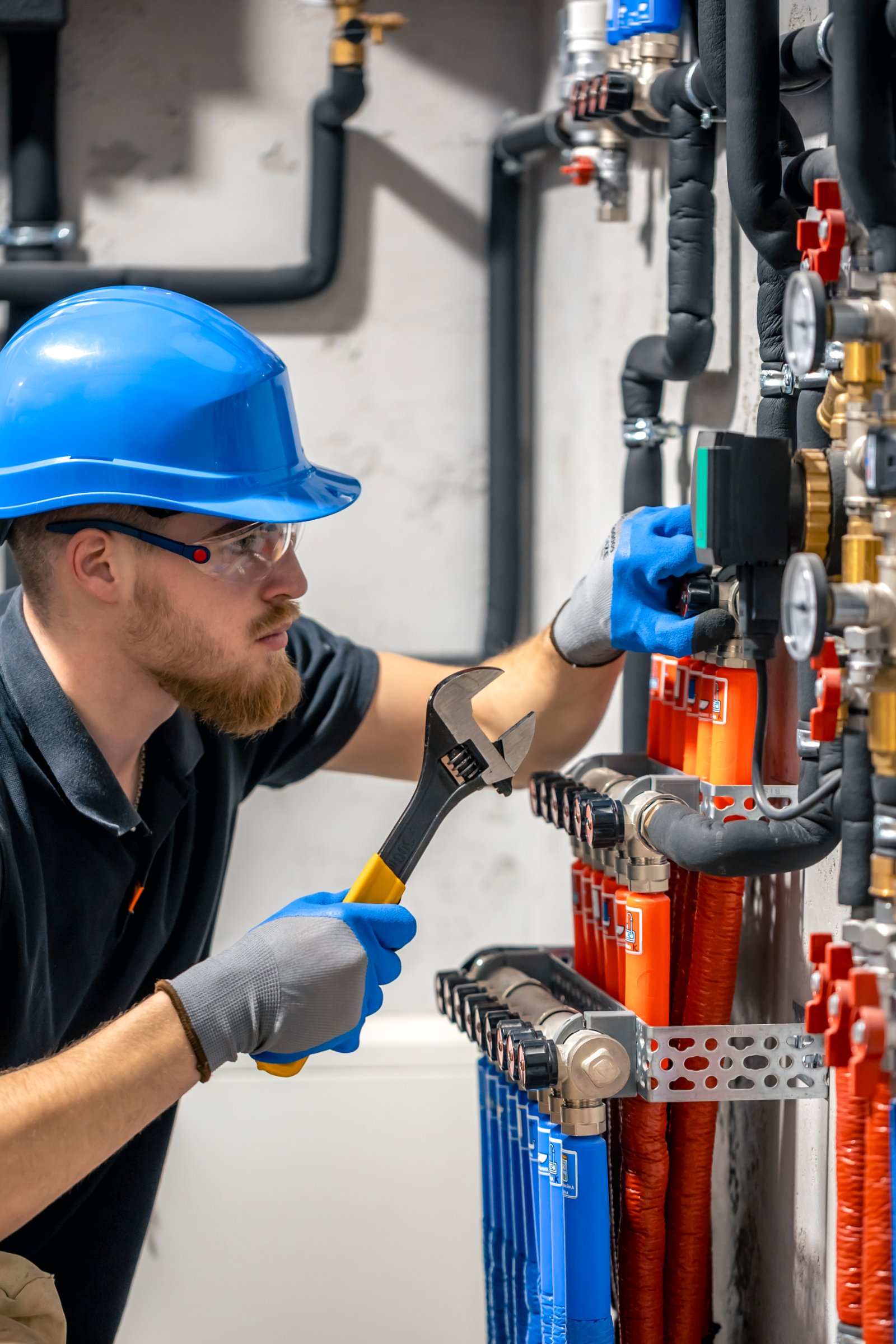
Use a winter plumbing checklist for commercial buildings to organise inspections, assign responsibilities and document completed work. Schedule the initial inspection before sustained freezing temperatures are expected, then repeat checks according to weather conditions and the building’s risk profile.
- Inspect pipes in basements, parking garages and other vulnerable areas.
- Replace damaged or missing pipe insulation.
- Seal gaps that allow cold air to reach plumbing.
- Verify heating performance in vacant and rarely used spaces.
- Test temperature sensors and low-temperature alerts.
- Inspect visible pipes, joints and valves for leaks or damage.
- Confirm that shut-off valves are accessible and labelled.
- Review drainage complaints and schedule necessary repairs.
- Check water heaters according to manufacturer guidance.
- Share emergency procedures and contact details with relevant staff.
Record inspection dates, defects, assigned personnel and deadlines for corrective work. This is especially useful for property managers overseeing multiple floors, tenants or buildings.
7. Prepare for Frozen Pipes and Plumbing Emergencies
A well-maintained system can still develop problems during severe cold. A clear emergency procedure helps staff respond quickly and reduce damage.
Identify who can authorise repairs, where the main and local shut-off valves are located, and how maintenance teams can access locked mechanical rooms. Keep emergency contact information available outside normal business hours.
To prevent pipes from freezing in commercial buildings, combine insulation with adequate heating, air sealing and temperature monitoring. These measures reduce risk, but no single measure guarantees protection in every situation.
If a pipe appears frozen, do not use an open flame or unsafe direct-heating methods. If a pipe bursts, isolate the water supply if it is safe to do so, keep people away from affected areas and contact a qualified plumber. If water reaches electrical equipment, do not enter the affected area until it has been assessed as safe.
For urgent leaks, burst pipes or other serious failures, Emergency Plumbing Service can help property managers respond when repairs cannot wait for routine maintenance.
When Should You Hire a Commercial Plumber?
Professional assistance is particularly valuable when pipework is concealed, the building has a history of frozen pipes, pressure changes repeatedly or vulnerable areas cannot be kept warm.
A qualified plumber can assess exposed pipes, insulation, valves and accessible drainage systems, then recommend measures suited to the building’s layout and operating requirements. Arrange an inspection before winter if previous incidents have affected tenants or interrupted business operations.
Property managers can discuss inspection and repair options with Commercial Plumbing. When selecting a contractor, look for experience with commercial properties, a clear scope of work and recommendations tailored to the building rather than a generic seasonal checklist.
For broader plumbing inspections, repairs and maintenance planning, POM Plumbing provides commercial plumbing services for property owners and managers.
FAQ
Begin inspections before sustained freezing weather is expected. This allows enough time to repair defects, improve insulation and address heating issues before emergency demand increases.
Not automatically. Isolation may be appropriate in some circumstances, but the decision must account for the plumbing layout, water remaining in the system, fire-protection requirements and building operations. Have a qualified professional determine the appropriate procedure.
No. Insulation slows heat loss but cannot guarantee protection during prolonged cold. Adequate heating, air sealing, temperature monitoring and additional protection may also be necessary.
Inspection frequency depends on the building’s risk, weather conditions and history of plumbing problems. High-risk areas may require more frequent checks during severe cold, alongside the property’s regular maintenance schedule.
Make the area safe, isolate the water supply if possible, arrange professional repairs and document the damage. Before restoring normal operations, confirm that the affected pipework has been inspected and the cause of the incident has been addressed.
