


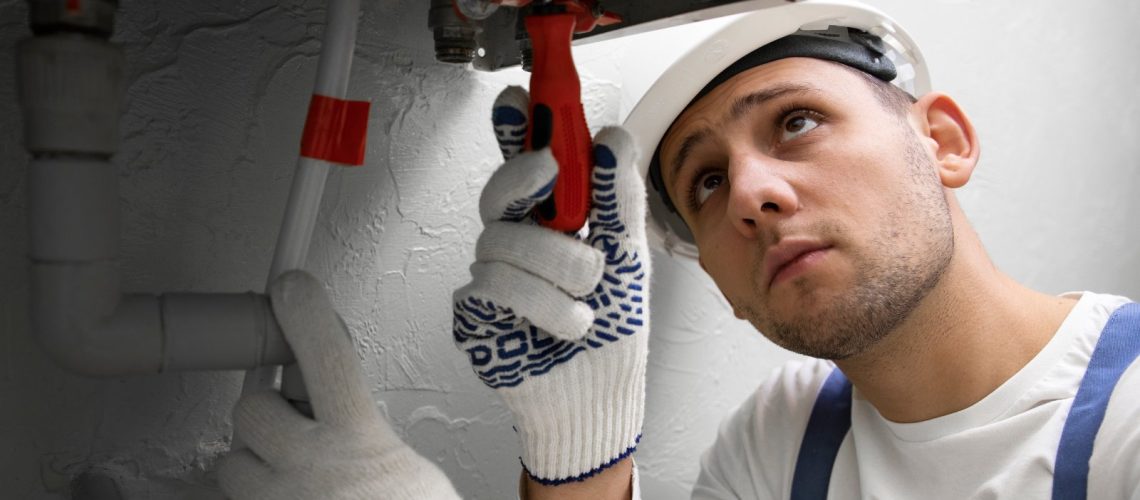

A water heater that makes popping sounds may have mineral deposits inside the tank, scale on its heating elements or components that expand and contract as temperatures change. Some sounds are harmless, but persistent or unusually loud noises can indicate a maintenance issue that needs attention.
Understanding the source helps homeowners decide whether routine servicing is sufficient or a professional inspection is necessary. The type of water heater, local water hardness, equipment age and maintenance history all affect the likely cause.
What Causes a Water Heater to Make Popping Sounds?
The most common water heater popping noise causes include sediment accumulating inside a storage tank and mineral scale forming on heating elements. Minerals naturally present in water can settle at the bottom. During a heating cycle, water trapped beneath these deposits can become very hot, producing bubbles that create popping or rumbling sounds.
A water heater making popping noise during a heating cycle may have sediment or scale interfering with normal heat transfer. Other possible causes include restricted water flow and thermal expansion. Identifying when the sound occurs can help narrow down the problem.
Sediment Buildup Inside the Tank
Sediment buildup is particularly relevant in areas with hard water. Calcium and magnesium can accumulate as mineral deposits, gradually forming a layer at the bottom of the tank.
This layer can interfere with heat transfer and contribute to several problems:
- Popping or rumbling during a heating cycle.
- Longer recovery times after hot water is used.
- Reduced heating efficiency.
- Additional stress on internal components.
A small amount of sediment does not automatically mean the tank is failing. However, persistent noise combined with slower heating or changes in the hot-water supply warrants an inspection.
Mineral Scale on Electric Heating Elements
Electric water heaters use heating elements installed inside the tank. In hard-water conditions, mineral scale can build up on these components and affect heat transfer.
The resulting sounds may resemble crackling, sizzling or popping. The heater may also take longer to bring water to the required temperature.
Because heating elements are electrical components, inspection and replacement should follow the manufacturer’s instructions. A qualified technician can determine whether cleaning or component replacement is appropriate.
Expansion and Contraction of Components
Metal components expand as they warm and contract as they cool. Pipes, tank supports and nearby building materials can therefore produce occasional ticks, taps or clicks during normal operation.
These sounds are usually less concerning when they are brief, predictable and not accompanied by leaks, temperature fluctuations or changes in water pressure. If pressure changes persist, Hot and Cold Water Pressure Investigation and Repair can help identify the cause.
How to Identify the Source of the Noise?
The timing and character of a sound can help narrow down its likely cause. They cannot confirm a diagnosis on their own, but they provide useful information for a technician.
| Sound or symptom | Possible cause | Recommended response |
|---|---|---|
| Popping during heating | Sediment or trapped bubbles | Arrange an assessment if persistent |
| Crackling or sizzling | Scale on heating elements or possible moisture contact | Check for visible leaks and arrange inspection |
| Occasional ticking | Thermal expansion or contraction | Monitor if there are no other symptoms |
| Loud rumbling | Significant sediment or another internal issue | Arrange a professional assessment |
| Hissing near a valve | Restricted flow, escaping water or valve problems | Have the source checked |
| Banging when a tap closes | Possible water hammer | Have the plumbing system assessed |
| Noise accompanied by leakage | Faulty connection, valve or tank damage | Seek professional help promptly |
When Does the Sound Occur?
Note whether the noise starts when the burner or heating element switches on, continues throughout the heating cycle or occurs when a tap is opened or closed.
If you are investigating why is my water heater making a popping noise, record any accompanying symptoms, including reduced hot-water supply, unusual temperature changes or visible moisture around the unit.
A water heater clicking noise may result from thermal expansion, electrical switching or changes in water flow. Similarly, a water heater crackling noise may indicate mineral scale, although the sound alone cannot establish the cause.
Is a Popping Water Heater Dangerous?
A popping sound does not necessarily indicate an emergency. Sediment is a common cause, and appropriate maintenance may resolve the problem. However, persistent noise should not be ignored when it appears alongside signs of equipment failure.
Contact a qualified plumber if you notice:
- Water leaking from the tank or nearby connections.
- Visible corrosion around the tank, fittings or valves.
- Repeated discharge from the temperature and pressure relief valve.
- A sudden loss of hot water or major temperature fluctuations.
- Loud or worsening noises that continue after servicing.
- Discoloured water or an unexplained change in water quality.
If you smell gas, leave the affected area and contact the appropriate emergency service or gas utility from a safe location. Do not operate electrical switches or investigate the source yourself. If water reaches electrical equipment, avoid the affected area until it has been confirmed safe.
For leaks, damaged components or persistent mechanical problems, Water Heater Repair is a relevant service option when professional inspection or repairs are required.
How to Prevent Water Heater Noise?
Regular maintenance helps identify mineral buildup and component wear before they cause more serious problems. The appropriate schedule depends on water quality, heater type, usage and manufacturer recommendations.
A practical maintenance checklist includes:
- Review the manufacturer’s servicing requirements.
- Ask whether periodic tank flushing is appropriate for the model.
- Inspect accessible connections for leaks and corrosion.
- Ensure the temperature and pressure relief valve is inspected appropriately.
- Investigate changes in heating time, water temperature or sound.
- Keep records of servicing and repairs.
A water softener may help reduce mineral scale in areas with hard water, but it is not necessary for every property. A professional can assess whether water treatment would provide a meaningful benefit.
When arranging water heater maintenance Toronto, consider the equipment type, household demand and local water conditions. Routine checks can help extend equipment life, although no maintenance schedule can eliminate every possible failure.
For urgent plumbing problems that cannot wait for routine servicing, Emergency Plumbing Service is an option for situations requiring prompt attention. For general plumbing inspections and maintenance planning, POM Plumbing can help homeowners identify the appropriate next steps.
FAQ
The solution depends on the cause. Sediment may require an appropriate tank flush, while scale on an electric heating element or a faulty valve may need professional attention. If the heater is leaking, corroded or making unusually loud noises, arrange an inspection instead of repeatedly attempting DIY fixes.
The sound may occur when heat causes water around sediment or mineral deposits to form bubbles. Thermal expansion can also create noises during a heating cycle. If the sound is persistent or worsening, have the unit assessed.
Not automatically. The condition of the tank and drain valve matters, especially if corrosion or leakage is present. Follow the manufacturer’s guidance and seek professional advice if the equipment is old or its maintenance history is unknown.
Yes. Dissolved minerals can accumulate as sediment in storage tanks or scale on heating elements. The amount of buildup depends on water chemistry, usage and maintenance.
Replacement may be appropriate when the tank itself leaks, corrosion is extensive, repairs are recurring or the unit is nearing the end of its expected service life. A technician can compare the equipment’s condition and repair costs with the benefits of installing a new unit.
