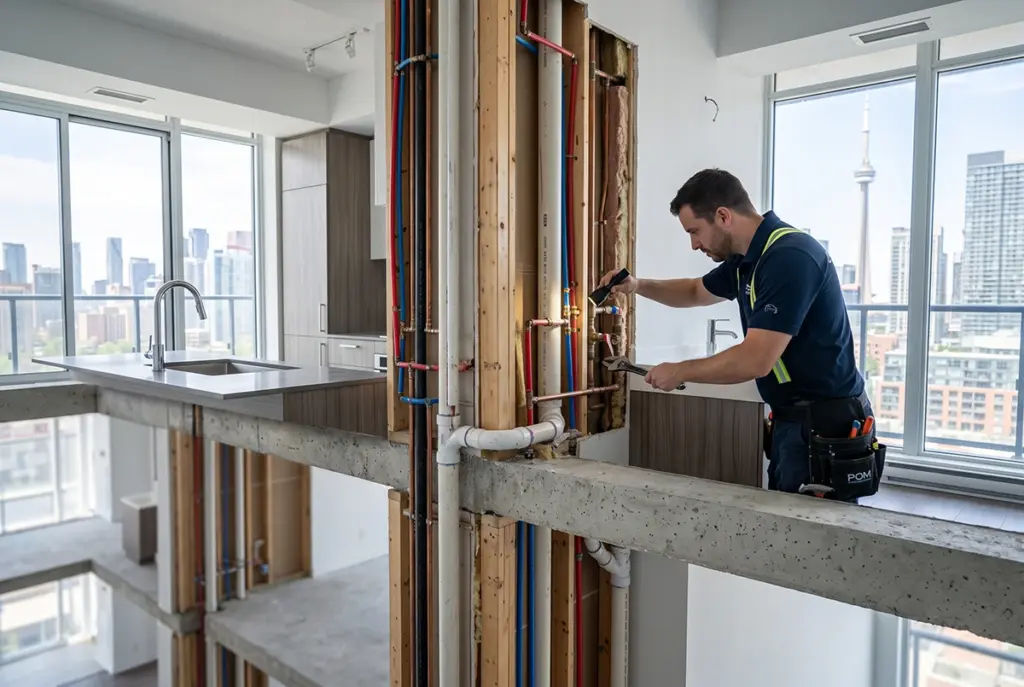


When homeowners ask what is included in plumbing works, the answer goes far beyond fixing a dripping faucet. Plumbing covers the systems that bring clean water into a building, distribute it to fixtures and appliances, remove wastewater, protect the property from drainage problems, and keep those systems safe through installation, inspection, maintenance, repair, and replacement.
If you are trying to understand what does plumbing entail, think of the entire water cycle inside a property: incoming water, hot and cold distribution, fixtures, drainage, venting, equipment, shut-off and protection devices, plus the work needed to diagnose failures and keep everything operating to code. At a system level, plumbing includes water supply, drainage and venting, fixtures, connected equipment, and protection devices. The exact scope changes with the property, the problem, and whether the job is residential, commercial, industrial, emergency, renovation, or new construction.
What Does a Plumber Do?
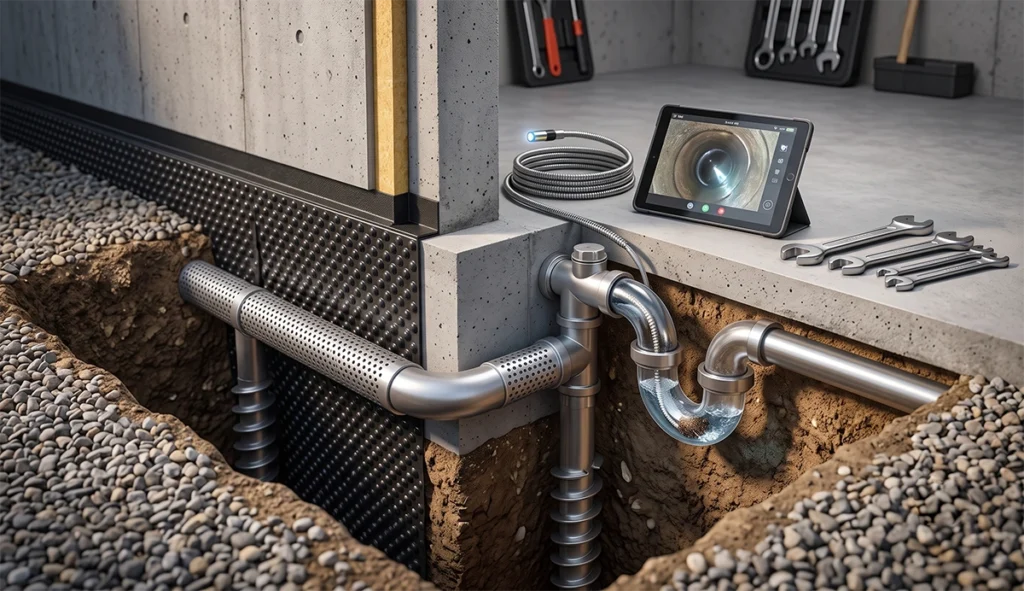
What does a plumber do on a typical job? A plumber installs and services pipes, valves, drains, fixtures, water heaters, pumps, and other components that move water into and out of a building. The work also includes diagnosing leaks, blockages, pressure problems, drainage failures, corrosion, and damaged piping, then choosing a repair or replacement that solves the actual cause rather than only the visible symptom. Depending on the job, diagnosis may involve pressure gauges, electronic leak-detection tools, drain cameras, mechanical augers, hydro-jetting equipment, and pipe-cutting or joining tools.
In practical terms, what work do plumbers do and what jobs do plumbers do? Plumbers combine installation, troubleshooting, repair, maintenance, testing, and code-compliant system changes. On a small service call that may mean replacing a shut-off valve. On a renovation it can mean rerouting supply and drain lines, completing a rough-in, setting fixtures, and testing the finished system.
What Services Do Plumbers Provide?
What do plumbing services include on a property? Professional plumbing services include four main types of plumbing work: installation and replacement, repairs and troubleshooting, preventive maintenance, and emergency response. Plumbing work includes both visible fixtures and hidden pipes behind walls, beneath floors, and underground. The table gives a practical list of residential plumbing services and shows how those tasks differ.
| Area of work | What it covers | Typical examples |
|---|---|---|
| Installation and replacement | New or altered water supply, drain and vent lines, fixtures and connected equipment | Rough-ins, repiping, shut-off valves, fixture relocation and water-heater connections |
| Repairs and troubleshooting | Diagnosing faults and choosing the appropriate repair or replacement | Leak detection, pipe repair, clogged drains, running toilets, failed valves and pressure problems |
| Maintenance and inspection | Checking system condition and addressing wear before it causes failure | Drain maintenance, valve and pipe checks, water-heater checks and sump-pump testing |
| Emergency plumbing | Isolating active failures and restoring safe service | Burst pipes, major leaks, sewer backups, overflowing fixtures and failed sump pumps |

For anyone asking “what does a plumber fix?”, the scope can range from a failed faucet component to a damaged sewer line. Different types of plumbing repairs call for different access, tools, and replacement parts.
All types of plumbing work should end with checks appropriate to the job, such as testing a repaired connection for leaks or confirming that a drain flows properly.
For older or heavily used systems, regular plumbing inspection and maintenance can help identify deterioration before a failure. Active flooding, burst pipes, or sewer backups call for Emergency Plumbing Services to contain the damage and establish what further repair is needed.
Plumbing Categories and Residential Plumbing Systems
Plumbing categories describe either the kind of service being performed or the system being worked on. Residential plumbing systems are easier to understand when they are separated into broad functional groups. The type of plumbing in homes may vary by age and construction, but these functions remain consistent.
| System | Main function | Key components |
|---|---|---|
| Potable water supply | Brings clean water into and through the building | Service line, meter, shut-off valves, hot/cold distribution pipes, pressure controls |
| Drain-waste-vent (DWV) | Removes wastewater and balances air pressure in drainage pipes | Fixture drains, traps, branch drains, stacks, building drain, vents |
| Fixtures and connected equipment | Provides usable points where water is delivered or discharged | Sinks, faucets, toilets, showers, tubs, laundry connections, water heaters |
| Specialty and protection systems | Addresses specific risks or property needs | Backflow prevention, sump pumps, stormwater drainage, water treatment, specialty commercial systems |
Although plumbing types in homes vary by building age and construction, all types of plumbing are diagnosed using the same principle: identify which system is failing, where the failure begins, and whether the problem affects one fixture or a larger section of the building infrastructure.
What Are the Four Areas of Plumbing?
What are the four areas of plumbing? In a practical service context, the work can be grouped into four homeowner-facing areas: drain cleaning and repair, water-heater service, installation or remodeling, and general plumbing service and repairs. This is a useful service framework rather than a universal licensing or code classification.
1. Drain Cleaning and Repair
This area covers clogged sinks, tubs, toilets, floor drains, kitchen stacks, main drains, and sewer lines. A plumber may use mechanical cleaning, hydro-jetting, or camera inspection. If the line is damaged rather than simply blocked, the work can move into Drain Repair & Installation.
2. Water Heater Service
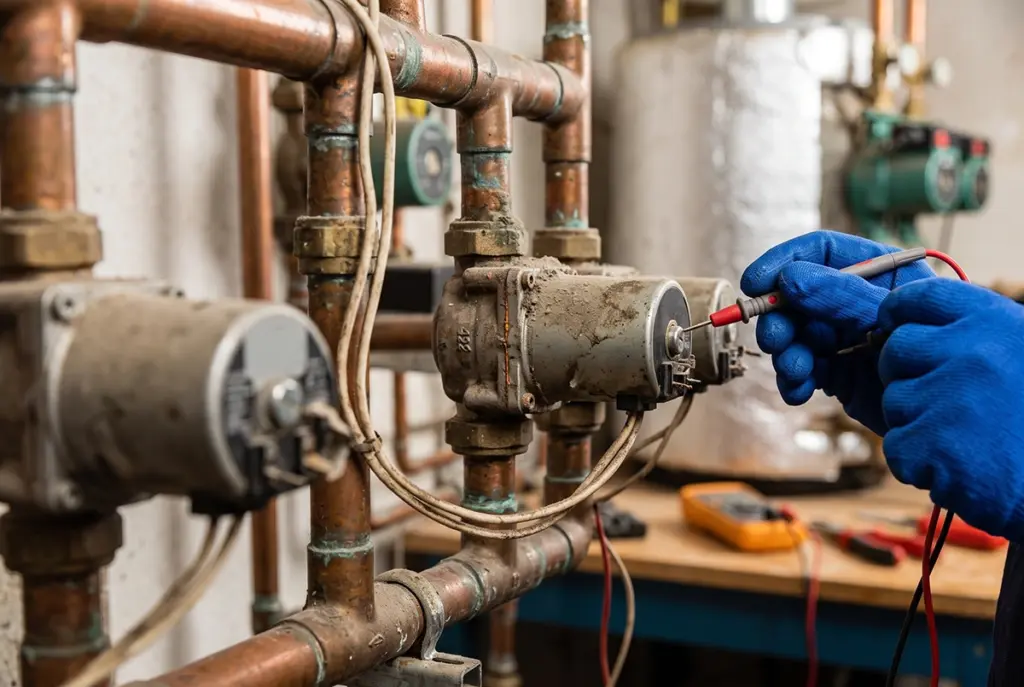
Plumbers commonly diagnose water-heating problems, replace failed valves and water connections, flush sediment where appropriate, and install or replace water heaters. Gas, electrical, and venting portions may require additional licensing or coordination depending on the equipment and local rules.
3. Plumbing Installation and Remodeling
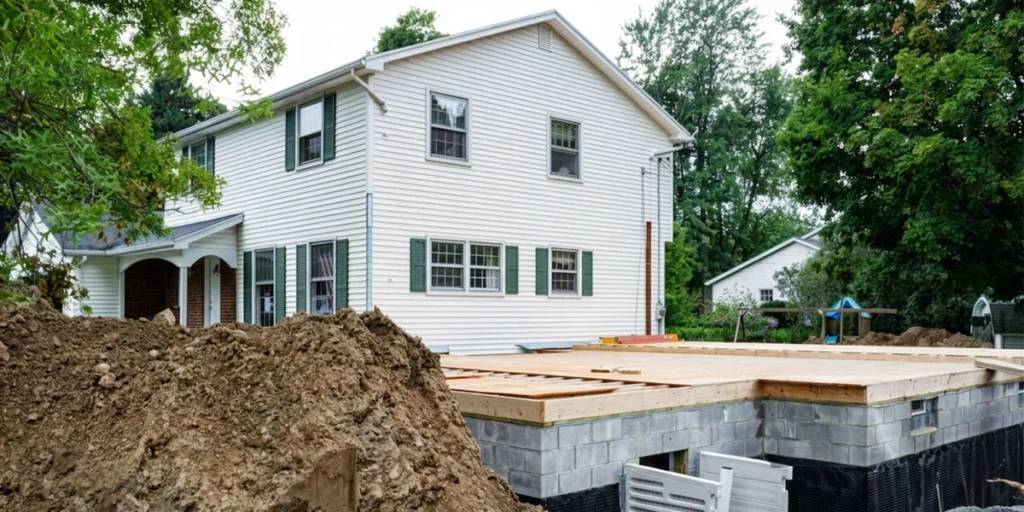
Renovations and new construction can require new supply lines, drain and vent changes, fixture relocation, rough-in plumbing, equipment connections, testing, and inspections. Planning matters because a mistake in hidden piping can require expensive demolition and rework later.
4. General Service and Repairs
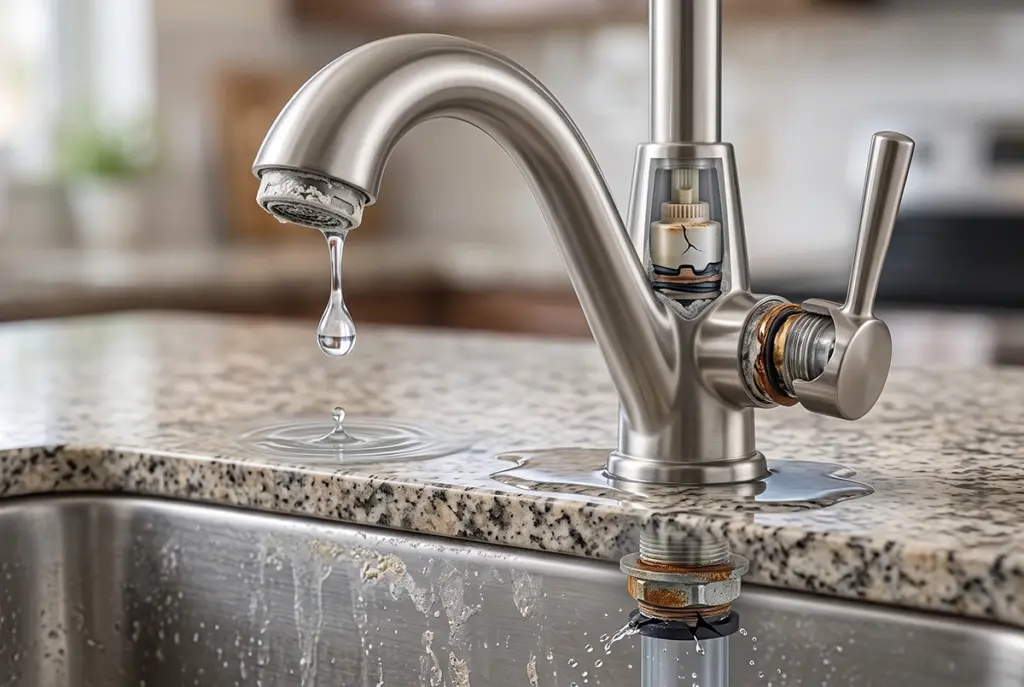
General service includes many of the calls people associate with a plumber: leaking faucets, running toilets, loose fixtures, low water pressure, small pipe leaks, failed valves, and replacement of worn components. These jobs may be simple, but recurring symptoms often justify a broader diagnosis.

What Is the Most Common Job for a Plumber?
What is the most common job for a plumber? Across residential plumbing companies, service and repair calls are the most common category rather than one single task. Leaks, clogged drains, running toilets, fixture repair or replacement, water-heater problems, and pressure complaints account for a large share of everyday calls.
In new construction, the work is different: plumbers spend more time laying out systems, installing pipe, completing rough-ins, setting fixtures, and testing connections. In larger buildings, common jobs can include backflow devices, risers, high-capacity drainage, scheduled maintenance, and coordinated shutdown work.
Plumbing Work by Project Stage: From Rough-In to Final Testing
On a renovation or new build, plumbing is completed in stages rather than as one single task. First comes planning and rough-in, when supply, drain, and vent routes are installed before walls and floors are closed. Next comes fixture and equipment installation. Finally, the completed system is tested for leaks, drainage, pressure, and correct operation, and any required inspections are completed.
This staged process is why plumbing changes should be coordinated early in a renovation. Moving a toilet, sink, shower, or kitchen connection after finishes are installed can turn a simple design change into demolition and reconstruction. On larger projects, plumbers also coordinate with general contractors, electricians, HVAC technicians, inspectors, and finish trades so pipe routes, equipment connections, access openings, and restoration responsibilities are clear before work begins.
When Is Plumbing Work More Than a Simple Repair?
A small visible problem can be the symptom of a larger system issue. Call a professional when a leak cannot be isolated, several drains back up at once, water pressure drops throughout the property, sewage odours appear, water is entering walls or ceilings, or a pipe has burst. A qualified plumber can determine whether the problem is local or part of a wider failure.
- Repeated drain clogs may indicate a main-line obstruction, pipe damage, or poor slope rather than a simple local blockage.
- Water stains or unexplained meter movement can point to a hidden leak.
- Gurgling drains and sewer odours can indicate drainage or venting problems.
- Frequent fixture failures can be a symptom of pressure, corrosion, or aging piping.
- Sewer backups, burst pipes, or active flooding require immediate action.
What Should a Professional Plumbing Quote Include?
A useful plumbing quote should describe more than a total price. It should define the problem being addressed, the proposed work, what materials or fixtures are included, and any assumptions about access or restoration. For larger projects, this makes it easier to compare solutions instead of comparing only the bottom-line number.
- The specific problem being addressed and the proposed solution.
- The parts, fixtures, pipe materials, or equipment included.
- Access work, excavation, wall opening, or restoration responsibilities, if relevant.
- Whether permits, inspections, testing, and cleanup are included.
- Any warranty or workmanship terms that apply after completion.
Professional Plumbing Work in Toronto and the GTA
POM Plumbing provides a broad range of Plumbing Services for residential, commercial, and industrial properties across Toronto and the GTA. From routine service calls and drain repairs to system upgrades, emergencies, renovations, and complex commercial work, the right solution starts with identifying which part of the system is actually causing the problem.
For recurring issues, the goal should be more than temporarily restoring flow or stopping a visible leak. A proper assessment considers the condition of the surrounding pipework, drainage pattern, pressure, fixture connections, and any signs that the same failure is likely to return.
FAQ
A practical way to group the different types of plumbers by work environment is residential, commercial, and industrial. Residential plumbers work in homes; commercial plumbers serve businesses and larger shared properties; industrial plumbers work in manufacturing and processing facilities. These categories describe the setting rather than a universal licensing hierarchy. Within each setting, different types of plumbing jobs include installation, maintenance, service, and repair, so a plumber may have more than one specialization.
Service plumbers usually respond to existing-building problems: leaks, clogs, fixture failures, water-heater issues, pressure problems, pipe defects, and emergency calls. Much of this work is residential, though service plumbers may also handle commercial properties.
Commercial plumbers work on systems in offices, restaurants, retail properties, schools, medical facilities, multi-unit buildings, and other business environments. They often deal with more fixtures, higher usage, larger piping networks, coordinated shutdowns, and scheduled access.
Industrial plumbers work on water supply, drainage, fixtures, and equipment connections in manufacturing plants, processing facilities, and similar sites. Depending on the facility, the work may involve specialty materials, larger lines, higher flow rates, planned shutdowns, and site-specific procedures.
Plumbers who own established businesses, hold advanced qualifications, or specialize in complex commercial or industrial systems often have the highest earning potential. However, no single category is always the highest-paying: earnings vary by location, experience, licensing, overtime, specialization, and business ownership.
What is the hardest part about plumbing? For many plumbers, it is the combination of physical strain and diagnostic uncertainty. The job can involve tight spaces, heavy lifting, kneeling, dirty or hazardous environments, emergency hours, and hidden problems that have to be located without seeing the full system.
Yes. Drain cleaning is a common plumbing service and may involve plunging, mechanical snaking, hydro-jetting, or camera inspection. If cleaning reveals a collapsed, root-damaged, or badly deteriorated line, the job may expand into drain or sewer repair.
Often, yes. Plumbers commonly install, maintain, diagnose, and replace water heaters and their water connections. Gas, electrical, and venting portions may require additional licensing or coordination depending on the equipment and local rules.
Yes. Sanitary drainage and venting are core parts of a plumbing system. They carry wastewater away from fixtures and maintain the air balance needed for drains and traps to work correctly.
Basic plumbing work does not automatically include unrelated electrical, structural, carpentry, tiling, or HVAC work. Some contractors coordinate these trades on larger renovations, but the quote should clearly state what is included and who is responsible for restoration or finishing work.