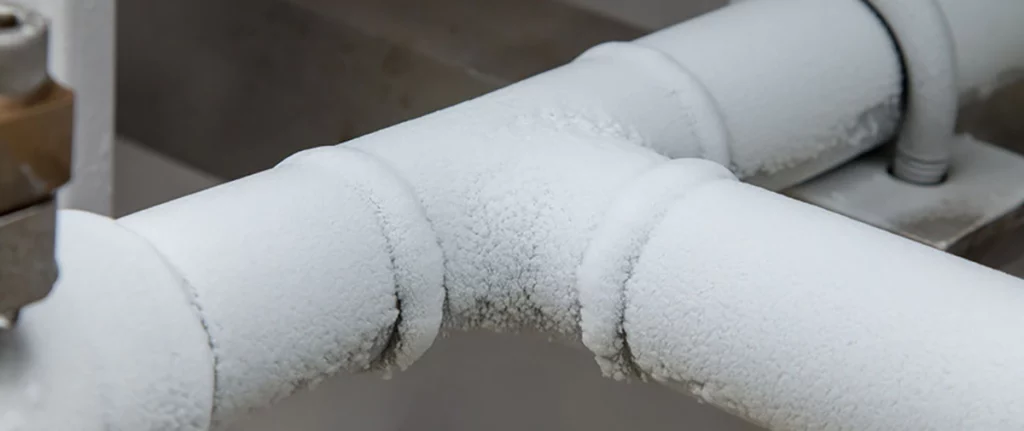


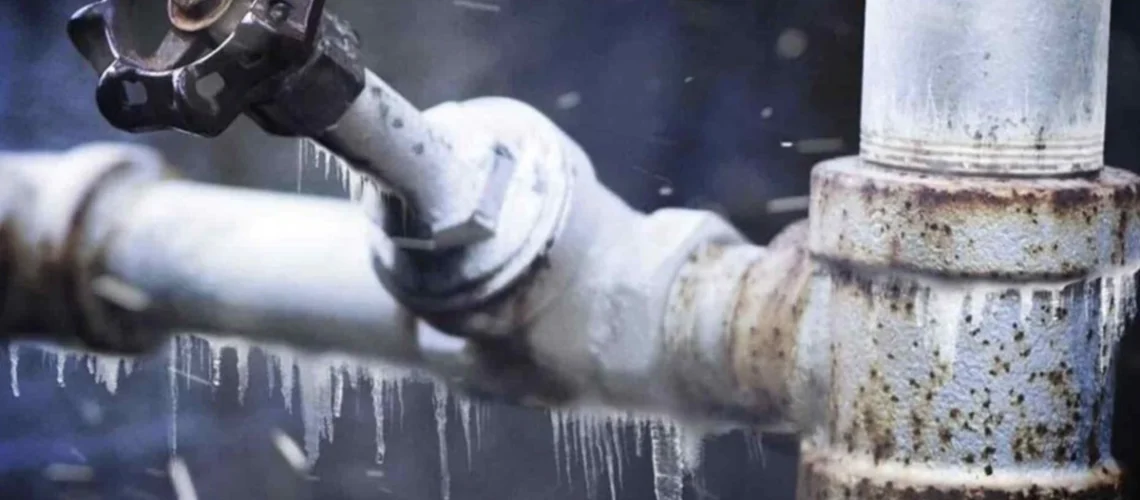

When temperatures plummet in winter, one common risk to homes is frozen pipes. Understanding how to prevent pipe freeze is essential for homeowners looking to avoid the expense and damage that can result from frozen water pipes. In this guide, we’ll discuss effective ways to keep pipes from freezing and offer practical winter pipe protection tips.
Why Pipes Freeze and the Damage They Cause
Water expands as it freezes, which can put significant pressure on pipes, especially those not insulated for winter conditions. If you do not protect pipes from freezing, they may burst, causing water leaks that can lead to costly repairs and damage to your home. Following these steps can help you stop pipes from freezing and keep your plumbing safe.
Key Tips for Winterizing Pipes
Insulate Exposed Pipes
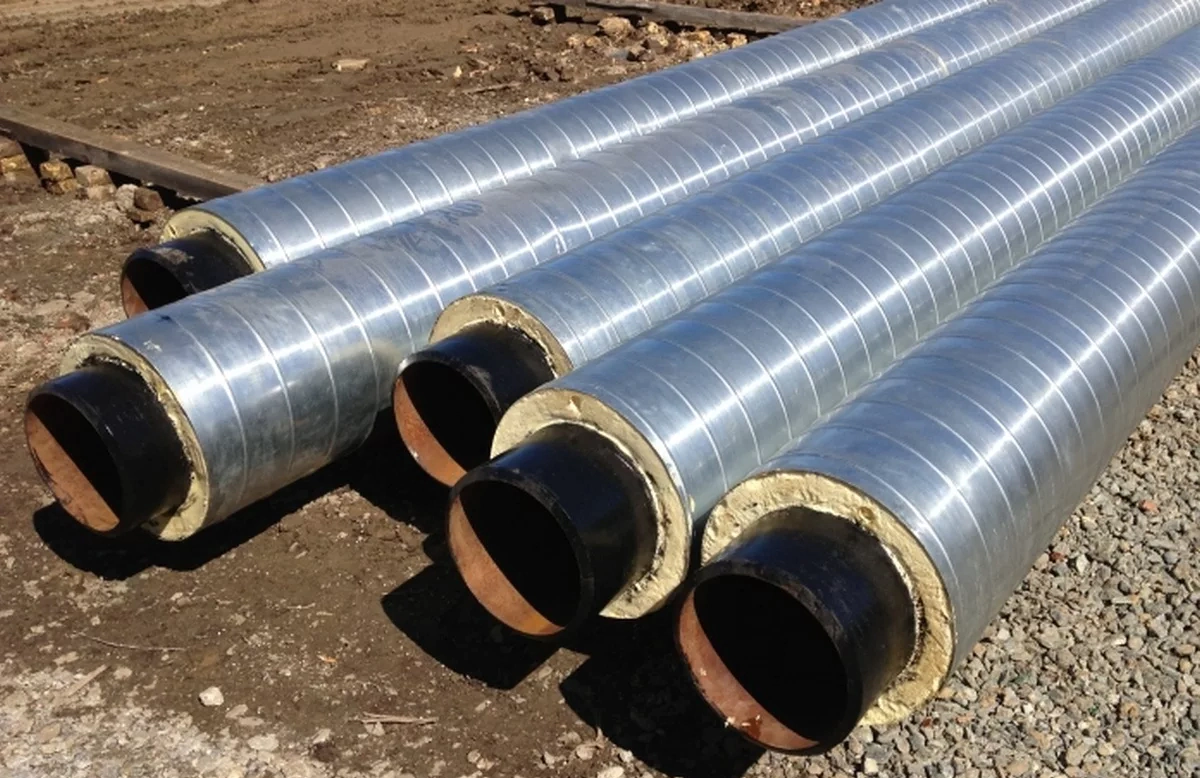
Pipes located in unheated spaces are the first to freeze during cold weather. Insulating these vulnerable sections helps retain heat and protects your plumbing system throughout the winter.
- Use foam pipe insulation: Cover exposed water pipes in basements, crawl spaces, garages, and attics with foam or rubber sleeves.
- Install heat tape or heating cables: For areas that experience prolonged freezing temperatures, electric heat tape provides additional protection.
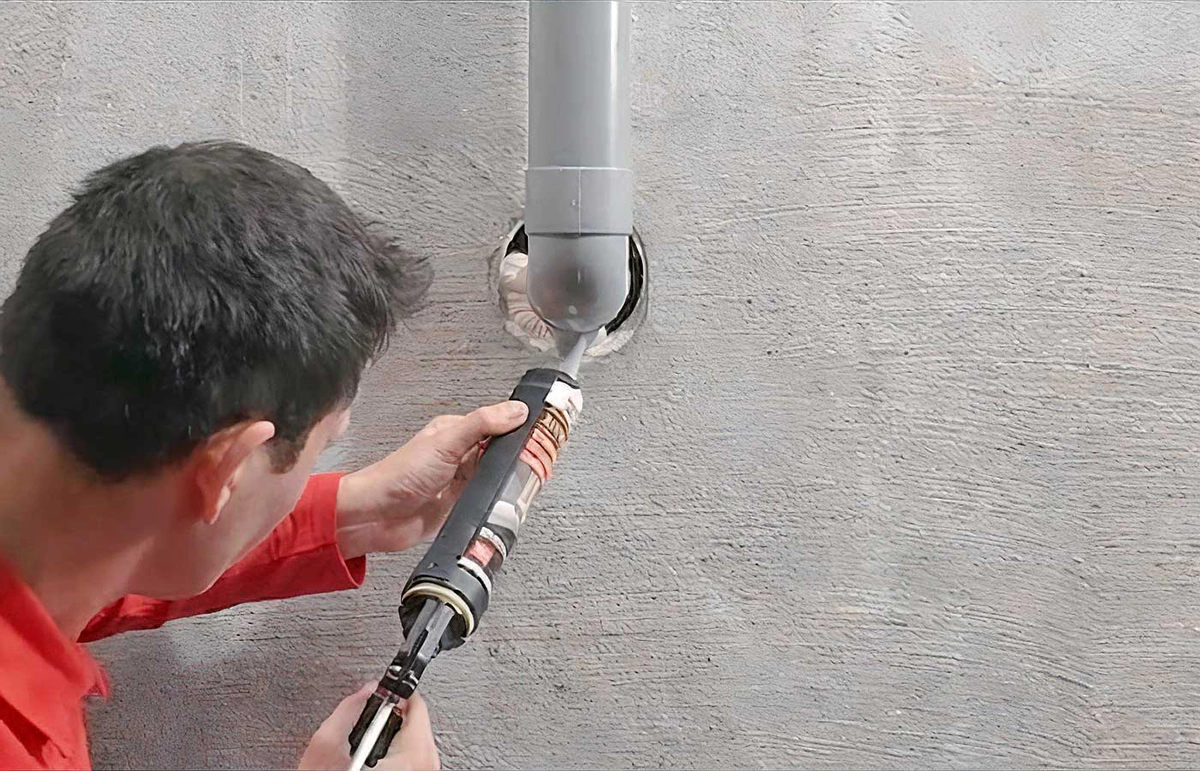
- Seal air leaks: Close gaps around pipes where cold air can enter through walls, floors, or foundations.
Keep Indoor Temperatures Consistent
Maintaining a stable indoor temperature helps prevent water inside pipes from freezing, especially during overnight cold snaps or when you’re away from home.
- Keep your thermostat at 55°F (13°C) or higher, even if you’re traveling.
- Open cabinet doors beneath kitchen and bathroom sinks to let warm air reach plumbing.
- Avoid turning the heat off completely during winter, as indoor temperatures can drop quickly in unoccupied homes.
Allow Water to Move During Extreme Cold
Moving water freezes much more slowly than standing water. During severe cold spells, a small amount of water flow can help protect vulnerable pipes.
- Let faucets connected to exposed pipes drip slightly overnight.
- Flush toilets or briefly run water in little-used bathrooms if temperatures remain below freezing for extended periods.
- Disconnect and drain outdoor hoses to prevent ice from backing up into indoor plumbing.
Prepare Outdoor Plumbing Before Winter
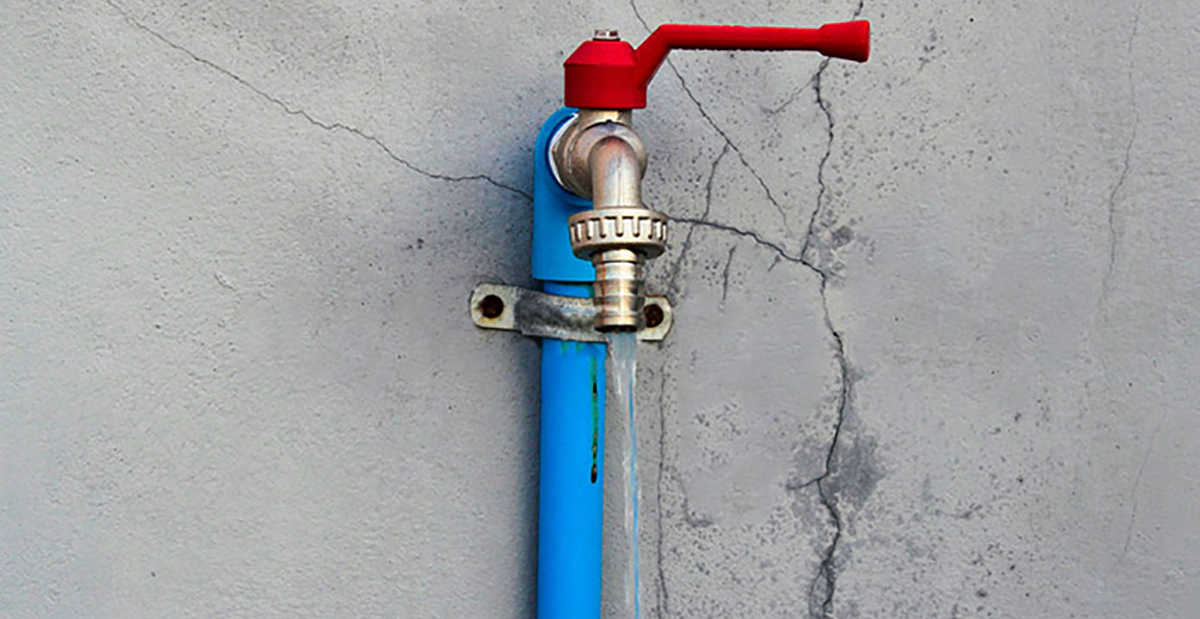
Outdoor plumbing fixtures are especially vulnerable because they’re directly exposed to freezing temperatures.
- Shut off and drain exterior water lines if your home has separate outdoor shut-off valves.
- Install insulated faucet covers on outdoor spigots.
- Winterize irrigation or sprinkler systems before the first hard freeze.
What to Do If Your Water Pipe Freezes
Steps to Safely Thaw a Frozen Pipe
If you find yourself with frozen pipes, it’s essential to take immediate action. Here’s what to do if your water pipe freezes:
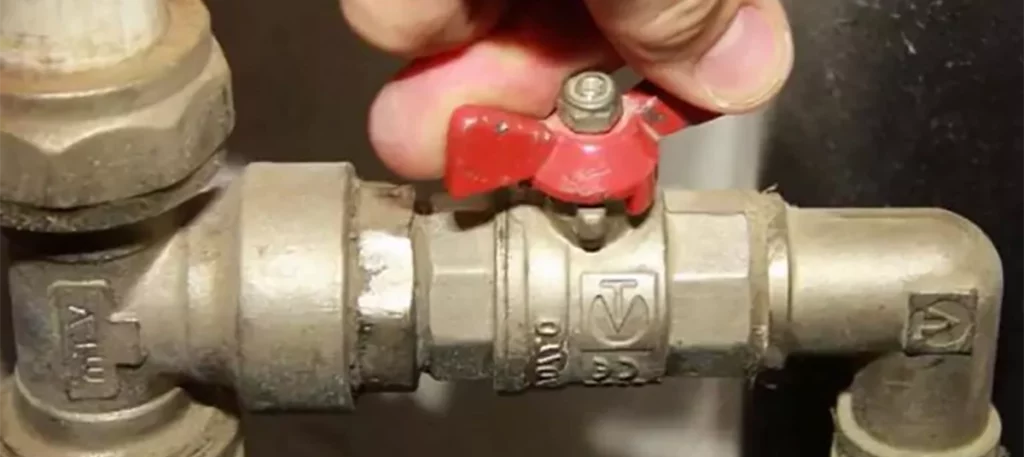
- Turn off the main water supply: This minimizes pressure on frozen pipes, preventing them from bursting.
- Use a safe heat source: Apply heat with a hairdryer, heating pad, or space heater to the frozen section. Avoid open flames, which can damage pipes or pose fire risks.
- Keep faucets open: As the pipe thaws, water will start to flow, helping to relieve pressure.
When to Call a Professional
Sometimes frozen pipes may be located in hard-to-reach areas, or thawing efforts may be unsuccessful. If so, contacting a professional plumber ensures safe and effective treatment.
Winter Maintenance Tips to Prevent Frozen Pipes
Preventing frozen pipes requires consistent care and preparation. Here’s a summary of essential winter maintenance tips to help protect pipes from freezing.
- Inspect for leaks and cracks: Small cracks allow cold air to reach pipes, so inspect and repair them early.
- Seal gaps around pipes: Use caulk or insulation to fill any gaps where cold air could enter.
- Install pipe insulation: For added security, insulate pipes in unheated spaces.
Regular winter maintenance can save you from potential pipe damage and costly repairs. Following these tips to avoid frozen pipes keeps your home’s plumbing system functional and secure.
What to Do if You Have a Frozen Pipe Burst
Despite all precautions, pipe bursts can occasionally occur. Here’s what you should do immediately if a frozen pipe bursts:
- Shut off the main water supply: This reduces water flow and limits damage.
- Remove water: Use a wet/dry vacuum to clear any standing water, preventing further damage.
- Contact a professional: An experienced plumber can repair or replace damaged pipes and provide additional winterizing advice.
Conclusion
Protecting pipes from freezing during the winter involves a combination of insulation, temperature control, and regular maintenance. Following these simple steps on how to keep pipes from freezing and knowing what to do if your pipes freeze can help you avoid the inconvenience and expense of frozen or burst pipes. Stay prepared, stay warm, and keep your pipes safe all winter long.
FAQ
Yes. A slow trickle of water can delay freezing, but it doesn’t completely eliminate the risk during prolonged periods of extreme cold. Pipes in poorly insulated or unheated areas may still freeze if exposed to low temperatures for long enough.
They can once temperatures rise, but waiting isn’t always the safest option. As ice expands, pressure builds inside the pipe, increasing the chance of a crack or burst before the blockage melts naturally.
Pipes located in basements, crawl spaces, garages, attics, exterior walls, and other unheated areas are at the highest risk. Outdoor water lines and hose bibs are also especially vulnerable during freezing weather.
Yes. Although hot water pipes usually stay warmer for longer, they can still freeze if left unused or exposed to prolonged freezing temperatures in unheated areas.
YThe risk increases when outdoor temperatures fall below 32°F (0°C), but most frozen pipe incidents occur after several hours below 20°F (-7°C), particularly when pipes lack insulation or are exposed to drafts.
Signs include a sudden loss of water pressure, water stains on walls or ceilings, damp floors, unusual sounds in the plumbing, or visible cracks in exposed pipes. If you suspect a burst pipe, shut off the main water supply and inspect the affected area as soon as possible.