



Toronto winters often bring sudden temperature drops that put plumbing systems at risk. When water freezes inside a pipe, it expands and increases pressure, which can lead to cracks or complete pipe bursts once the ice thaws. One of the simplest and most effective ways to reduce this risk is to understand when to drip faucets to prevent frozen pipes and how dripping protects your plumbing.
A slow drip keeps water moving, and moving water is far less likely to freeze. It also relieves pressure inside the pipe, giving the system more stability during long periods of cold weather. While dripping is not the only freeze-prevention method, it is a crucial part of winter plumbing protection for Toronto homes.
Contents
Why Dripping Faucets Helps During Freezing Temperatures
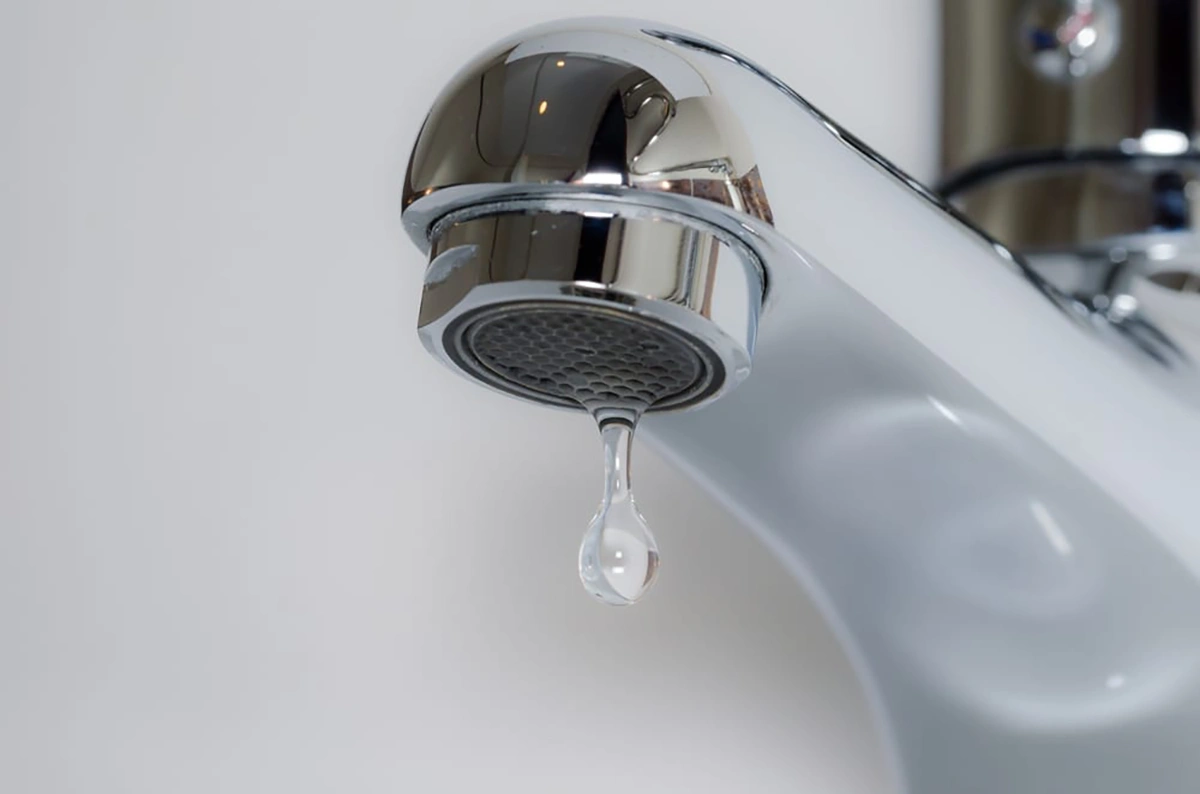
Many homeowners wonder whether does letting your faucet drip prevent freezing, especially during harsh cold snaps. In most cases, yes — even a small, steady drip keeps water circulating enough to slow ice formation. It also prevents pressure buildup inside the pipe, reducing the chance of a burst.
This method is especially important for older Toronto homes where plumbing may pass through exterior walls, poorly insulated basements, or areas exposed to drafts.
When You Should Let Faucets Drip
You should drip your faucets when outdoor temperatures fall to –5°C or colder. The risk increases overnight when heating cycles less frequently and pipes cool faster. Dripping is especially important if your home has a history of frozen pipes, plumbing that runs through cold areas, or fixtures installed on exterior walls.
Many people ask should you drip faucets in cold weather even when only one part of the house feels cold. The answer is yes — if a single area is significantly cooler, its pipes are at higher risk of freezing.
Which Faucets Are Most Important to Drip
Not all faucets need to drip — focus on the most vulnerable areas of your home.
Critical faucets to drip during freezing weather:
- which are located on the external walls
- kitchen or bathroom sinks above uninsulated spaces
- lines running through basements, crawl spaces, or cold utility rooms
- farthest from the main water line (keeps water moving through the entire system)
Homeowners also ask whether should you drip hot water faucets in cold weather. The truth is yes — hot water lines can freeze just as easily once the water cools inside the pipe.
Outdoor Faucets and Freeze Prevention
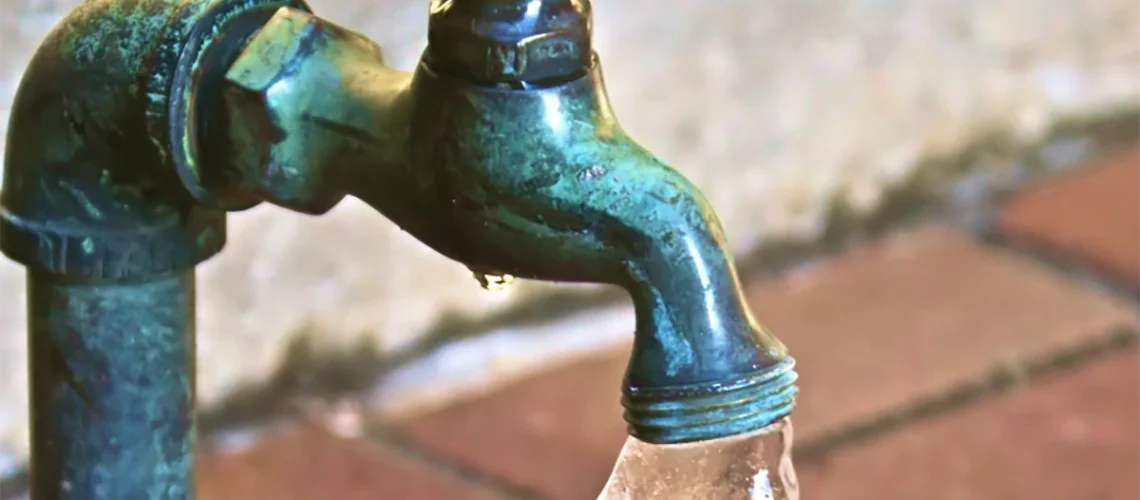
Exterior water outlets freeze faster than any indoor fixture. If your outdoor tap is connected to an active supply line, consider the question should you drip outside faucets during a freeze. If the line is still active, dripping can help prevent ice formation.
Before cold weather hits, disconnect hoses and remove attachments so water can drain properly. In spring, many homeowners search how to stop an outside faucet from dripping — usually the issue is a worn washer or loose packing nut, which can be repaired once freezing weather is over.
How to Keep a Faucet From Freezing
Dripping is helpful, but preventing frozen pipes requires additional precautions.
Additional ways to protect your plumbing:
- keep cabinet doors open to allow warm air around pipes
• insulate exposed or exterior-wall plumbing
• maintain stable indoor temperatures
• seal drafts around windows, doors, and foundation gaps
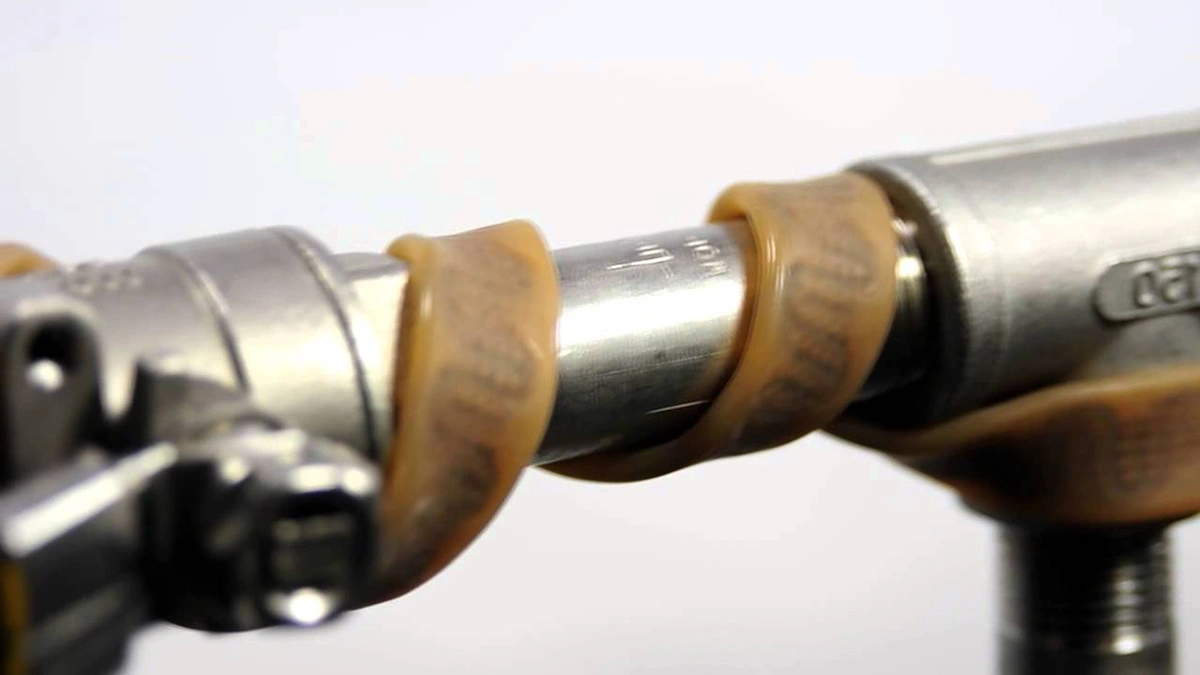
• use heat tape for high-risk pipe sections
These measures work together with dripping to reduce the chances of frozen pipes.
Should You Leave Faucets Dripping While Away
If you leave home during extreme cold, letting faucets drip is strongly recommended. This aligns with the idea of when leaving water dripping to prevent freezing pipes, ensuring pipes stay moving even when nobody is home to monitor the system. Keep your home heated to at least 16°C and double-check vulnerable pipes before leaving.
When Dripping Isn’t Enough
If your pipe is already frozen, dripping will not solve the problem. Signs include reduced flow, no water at all, frost on the pipe, or strange noises. In this case, leave the faucet open and warm the area gently. Avoid using open flames or high-heat tools. If the pipe appears damaged, call a professional immediately to avoid further issues.
FAQ
Yes — a slow drip keeps water moving and helps relieve internal pressure.
Once temperatures stay above freezing for 24 hours, it’s safe to stop dripping.
Yes. Hot water lines cool quickly in freezing weather and should also drip during extreme cold.
Only if the supply line is still active. Winterized faucets do not need dripping.
Use the faucet farthest from the main water entry point — it helps circulate water through the longest section of the system.