



Your plumbing system works silently in the background every day, but small habits that seem harmless can slowly damage it from the inside. Many homeowners don’t realize how daily routines — from how they cook to how they clean — contribute to leaks, clogs, corrosion, and premature pipe failure. By understanding common plumbing mistakes, you can protect your home and avoid expensive repairs.
Contents
- 1 Why Everyday Habits Create Big Plumbing Problems
- 2 Common Plumbing Mistakes Homeowners Don’t Notice
- 3 Kitchen Habits That Damage Plumbing
- 4 Bathroom Habits That Quietly Harm Your Pipes
- 5 Laundry & Appliance Mistakes That Lead to Hidden Damage
- 6 The Worst Plumbing Mistakes That Lead to Costly Repairs
- 7 How to Avoid Plumbing Issues: Smart Prevention Tips
- 8 FAQ
Why Everyday Habits Create Big Plumbing Problems
Plumbing issues rarely happen overnight. Most start with minor behaviors that gradually wear down pipes, fixtures, and drains. Pouring grease into the sink, flushing wipes, or using the wrong chemical cleaners might not cause immediate damage, but over time these habits become exactly what ruins plumbing systems. Once buildup becomes severe, repairs are no longer small — they turn into clogged sewer lines, damaged fixtures, or burst pipes.
Common Plumbing Mistakes Homeowners Don’t Notice
Many homeowners unintentionally make plumbing mistakes that slowly weaken the system. These errors develop over months or years until warning signs appear — slow drains, gurgling sounds, or recurring clogs. Small oversights, such as ignoring early leaks or allowing low water pressure to continue, can hide bigger internal problems. Because these issues progress quietly, it’s important to recognize them early and correct the routines that cause them.
Kitchen Habits That Damage Plumbing
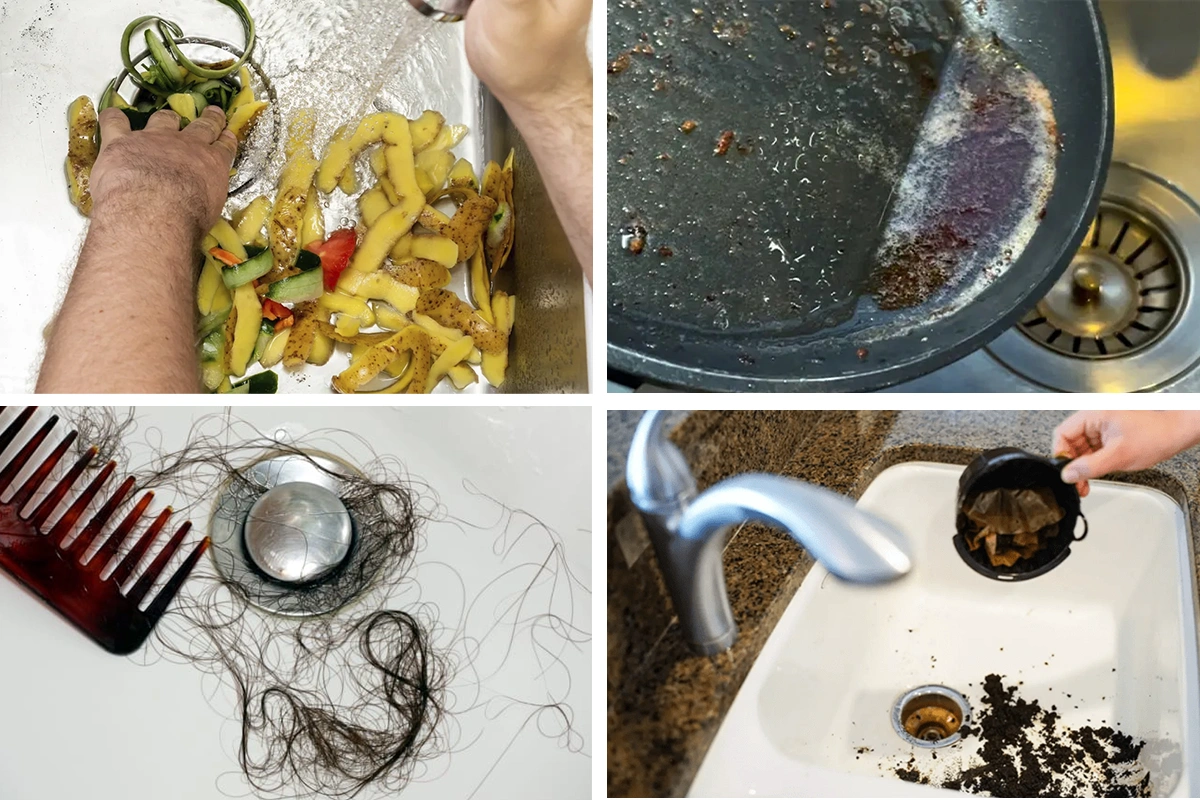
The kitchen is one of the most high-risk areas for hidden plumbing damage. Certain foods and liquids easily stick to pipe walls, forming thick layers of grease and sludge. Over time, these build-ups restrict water flow and produce foul smells.
Habits that quickly damage kitchen drains:
- pouring cooking oil or grease into the sink
- washing coffee grounds down the drain
- sending fibrous foods like celery, potato peels, or onion skins into the garbage disposal
- rinsing sticky sauces or melted fat with only cold water
These are some of the biggest plumbing mistakes to avoid, because even a modern garbage disposal can’t handle materials that harden inside pipes. Grease and starches create stubborn blockages, and once they cool, they solidify into dense masses that professional hydro-jetting is often required to remove.
Bathroom Habits That Quietly Harm Your Pipes
Bathroom plumbing is sensitive to what gets flushed or washed down drains. Even products labeled “flushable” break down too slowly and contribute to sewer clogging. This is one of the plumbing habits to avoid, especially in older houses with narrower drain lines.
Hair is another major problem. When combined with soap residue, it forms a dense, sticky mass that causes slow drainage and eventually full blockages. Long hair strands can wrap around drain components, making the problem worse.
Harsh chemical drain cleaners are another hidden threat. They seem effective at first, but repeated use can corrode metal pipes, break down seals, and damage older PVC. Over time, this leads to leaks behind walls or under sinks — issues far more serious than the original clog.
Laundry & Appliance Mistakes That Lead to Hidden Damage
It’s not only sinks and toilets that suffer from poor habits. Laundry machines, dishwashers, and refrigerators all connect to the plumbing system and can fail if they aren’t used properly.
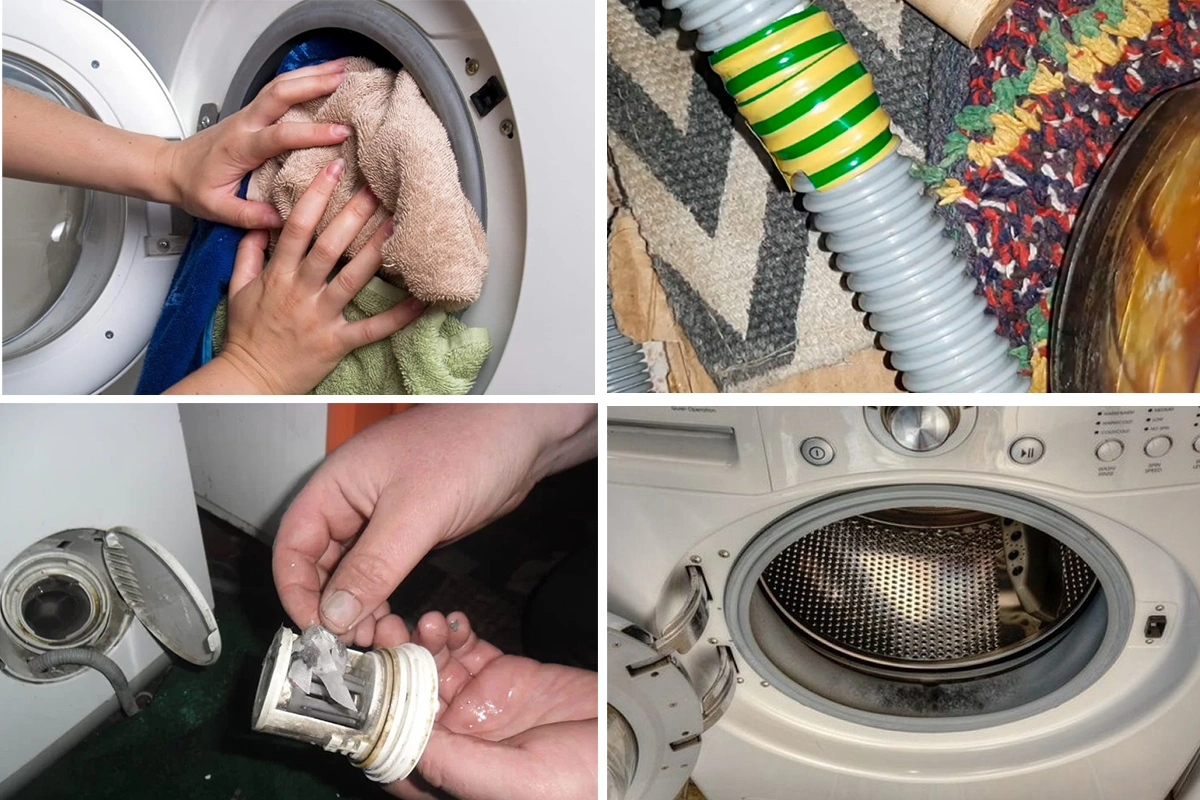
Overloading your washing machine increases pressure on hoses. Detergent overuse creates residue that builds up in drain lines. Ignoring old or worn hoses is another one of the plumbing mistakes to avoid, as they can burst unexpectedly and flood entire rooms.
Dishwashers can also clog if homeowners treat them as garbage disposals. Food debris, oils, and starches clog internal filters and reduce drainage efficiency. Refrigerator water lines can freeze, kink, or crack if not inspected regularly.
Simple maintenance — checking hoses, cleaning filters, and monitoring drainage — dramatically reduces the risk of appliance-related leaks.
The Worst Plumbing Mistakes That Lead to Costly Repairs
Some of the worst plumbing mistakes create severe, expensive damage. These include flushing non-degradable items, using too much chemical cleaner, or ignoring recurring clogs. Another major issue is leaving small leaks untreated — even slow drips can lead to mold, structural damage, and soaring water bills.
DIY plumbing errors also belong to the biggest risks. Overtightening fittings, using the wrong sealants, or installing mismatched pipe materials can cause failures weeks or months later. Misaligned pipes place pressure on joints, and using incompatible metals can trigger corrosion.
These plumbing errors don’t always show immediate symptoms, which can make the eventual damage far more serious.
How to Avoid Plumbing Issues: Smart Prevention Tips
Good habits protect your plumbing system over the long term. If you want to understand how to avoid plumbing issues, a few consistent behaviors make all the difference. Throw food scraps in the trash instead of the sink. Use drain screens to catch hair. Avoid flushing wipes, cotton pads, and hygiene products. Limit harsh cleaners and choose enzyme-based drain treatments instead.
Regular maintenance, including drain cleaning, leak inspection, and appliance checkups, is essential. Even small improvements in daily habits help prevent clogs, corrosion, and hidden drain damage. By avoiding the things that damage your plumbing system, you extend the life of your pipes and minimize costly repairs.
FAQ
Grease in drains, flushing wipes, and letting hair accumulate in bathroom drains are the most common causes.
Yes. Frequent use corrodes pipes and weakens seals, eventually causing leaks.
Inspect washing machine and dishwasher hoses every 6–12 months to avoid unexpected bursts.
No. They break down too slowly and cause clogs in both home and city sewer lines.
Dispose of grease in containers, avoid washing coffee grounds down the sink, and use plenty of hot water when rinsing dishes.