


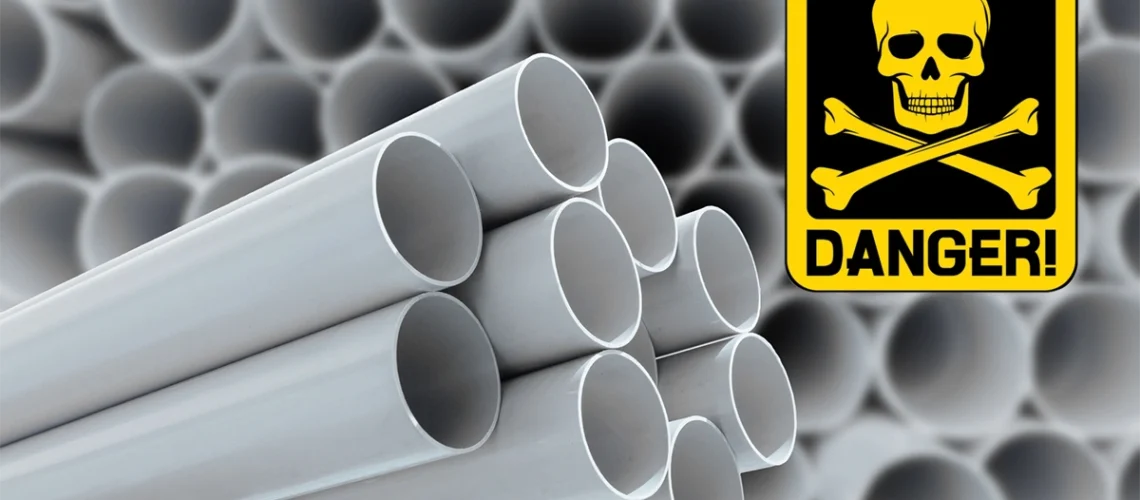

Polybutylene plumbing—often referred to as Poly-B—was widely installed in homes between the late 1970s and mid-1990s. At the time, it was marketed as an affordable, flexible, and long-lasting alternative to copper. Decades later, homeowners discovered a different reality: this material ages poorly, reacts to water chemistry, and fails far more frequently than expected.
If your home was built or renovated during this period, there is a chance that this type of piping may still be hidden behind walls or under floors. Understanding the signs of Poly-B pipes, the dangers associated with them, and how to identify Poly-B plumbing can help you avoid water damage and costly emergency repairs.
Contents
- 1 What These Pipes Are and Why They Were Used
- 2 How to Identify Poly-B Piping in Your Home
- 3 Common Warning Signs in Your Plumbing System
- 4 Why These Pipes Are Considered Dangerous
- 5 How to Tell If You Have This Plumbing in Older Homes
- 6 What Happens If Your Home Contains These Pipes?
- 7 When Replacement Becomes Necessary
- 8 Frequently Asked Questions
What These Pipes Are and Why They Were Used
This gray plastic piping became popular because it was cheap, flexible, and quick to install. Builders appreciated the ease of working with it, and homeowners enjoyed lower construction costs. Unfortunately, it did not perform well long term.
Exposure to chlorine, UV light, high water pressure, and poor installation practices caused many systems to degrade. Today, the material is known for its unreliability and frequent failures.
Before considering replacement, you first need to understand what Poly-B pipes look like and how to determine whether they are part of your home’s plumbing.
How to Identify Poly-B Piping in Your Home
Here are the simplest ways to determine whether this type of plumbing is installed in your home:
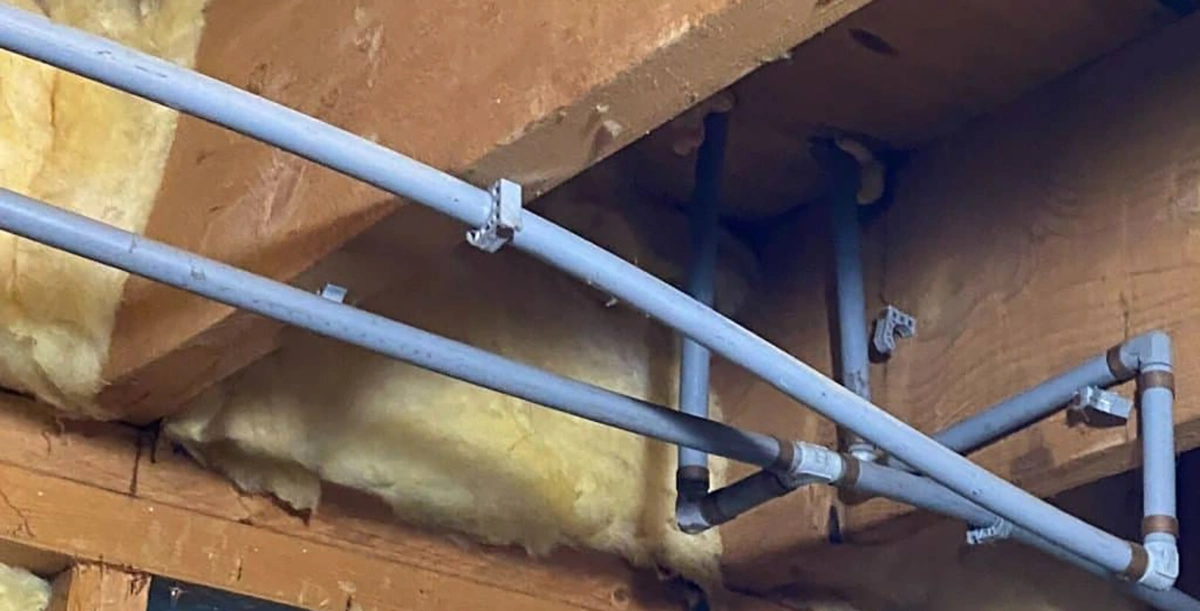
1. Look for the Distinctive Grey Color
These pipes are usually light gray—sometimes slightly bluish.
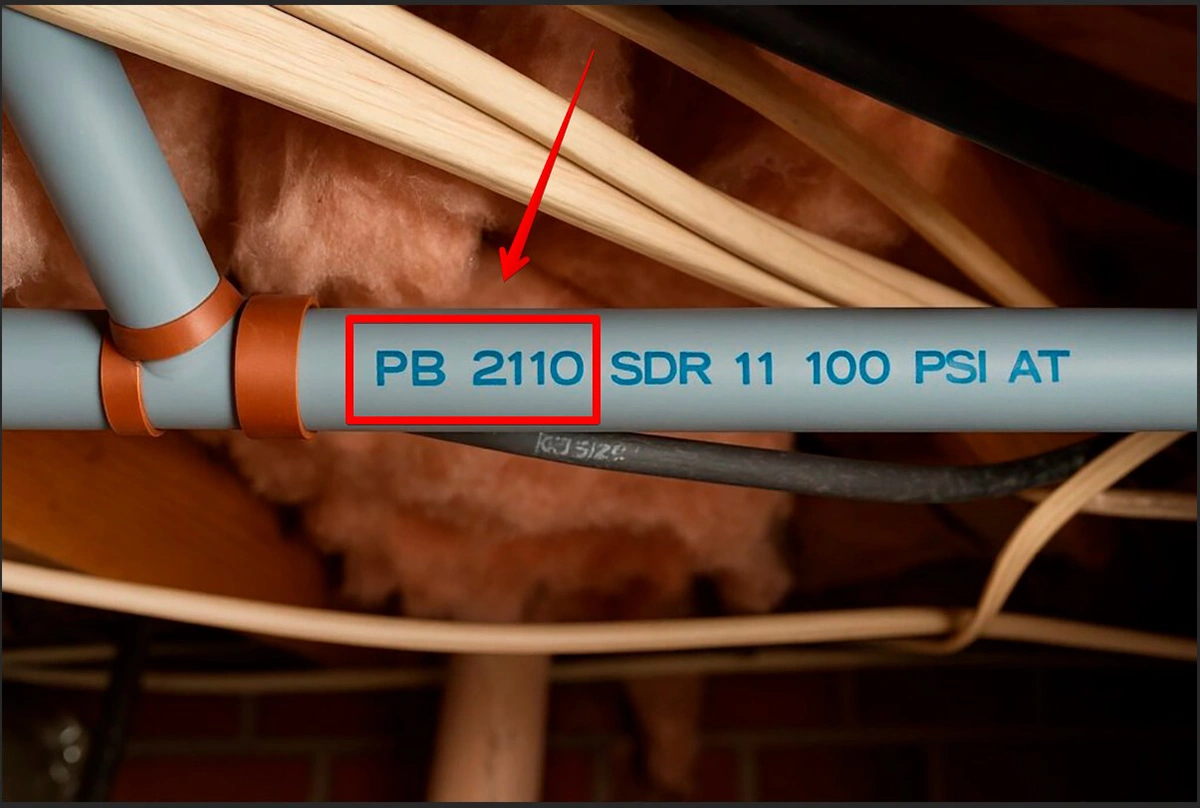
2. Check for Markings or Stamps
Common labels include:
- PB or PB2110
- Manufacturer names like Ipex, Vanguard, Bow, Centurion
3. Inspect Exposed Plumbing Areas
Check locations where supply lines are visible:
- Utility rooms
- Under sinks
- Basement ceilings
- Around hot water tanks
- Near valves and access panels
4. Examine Plastic Fittings and Metal Clamps
Many installations used beige plastic fittings and aluminum crimp rings, which degrade faster than modern connectors.
5. Look Behind Access Panels
Bathroom and kitchen access panels often reveal hidden supply lines.
Understanding how to tell if you have Poly-B plumbing is essential, because many homeowners discover issues only after a leak occurs.
Common Warning Signs in Your Plumbing System
Here are the most frequent signs of Poly-B pipes showing deterioration:
1. Visible Discoloration
A chalky, flakey, or spotted appearance suggests chemical weakening.
2. Corroded Crimp Rings
Metal clamps around gray piping often corrode, especially in humid environments.
3. Bulging or Micro-Cracks
Brittle surfaces, uneven textures, or bulges indicate structural failure.
4. Repeated Leaks
Even small leaks signal that the system may be failing internally.
5. Damp Spots, Stains, or Mold
Hidden leaks behind drywall often show up as:
- Musty smells
- Soft walls
- Bubbling paint
- Persistent damp areas
Why These Pipes Are Considered Dangerous
Homeowners often ask: “Are Poly-B pipes dangerous?” They do not pose a health risk but can create serious property damage.
Here are the main concerns:
1. High Risk of Bursting
Aging plastic becomes brittle and may fail suddenly.
2. Reaction to Water Chemistry
Chlorinated municipal water speeds up deterioration.
3. Fitting Failures
Old plastic joints and metal rings degrade more quickly.
4. Insurance Issues
Some insurers:
- Refuse coverage
- Increase premiums
- Require replacement
5. Hidden Structural Damage
Leaks behind walls can affect flooring, insulation, and electrical systems.
Understanding what happens if you have Poly-B pipes highlights why replacement is recommended.
How to Tell If You Have This Plumbing in Older Homes
If your home was built between 1978 and 1998, you may have this system installed. To confirm:
- Check home inspection reports
- Review renovation documentation
- Ask previous owners
- Contact local building departments
- Hire a licensed plumber for verification
What Happens If Your Home Contains These Pipes?
Leaving the system in place increases the risk of sudden leaks or major bursts. Over time:
- Material weakens internally
- Fittings loosen
- Pressure changes stress the piping
- Tiny leaks develop and expand
Many homeowners replace the system proactively rather than wait for a plumbing emergency.
When Replacement Becomes Necessary
Replacement is recommended if:
- Your system is over 25–30 years old
- You’ve had multiple leaks
- You’re renovating
- Insurance requires it
- You notice signs of deterioration
Modern PEX systems provide greater reliability and longevity.
Frequently Asked Questions
Yes, but many buyers request repairs or negotiate price reductions once the material is identified.
Not always. Skilled plumbers often use strategic access points to minimize drywall removal.
It may help, but connecting new materials to failing pipes is rarely a long-term solution.
Filtration can improve water quality, but it does not prevent material aging or structural wear.
Replacement should be planned as soon as practical, especially if the system is brittle or showing early signs of failure.