



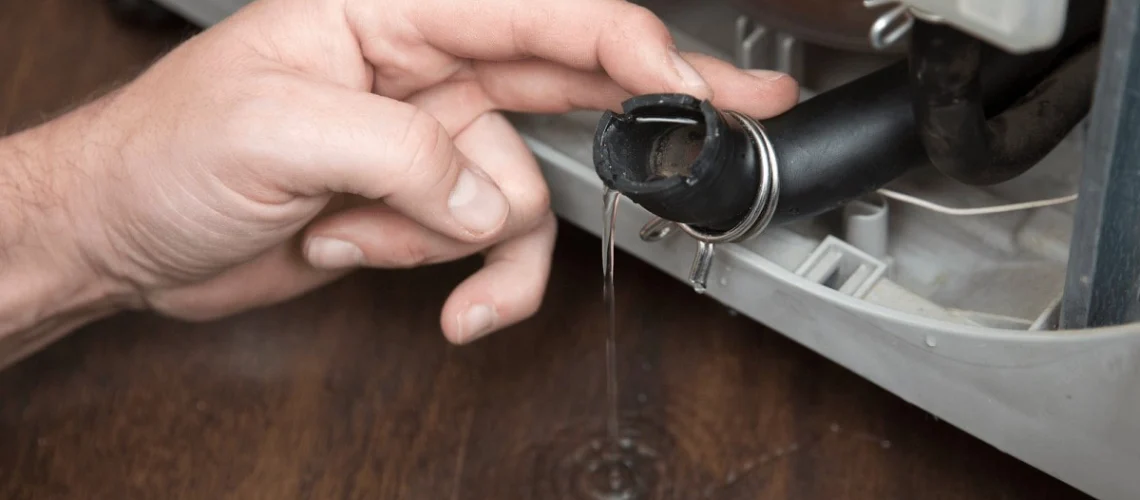

A leaking dishwasher is one of those home problems that can start small and quickly turn into something serious. Whether you notice your dishwasher dripping during a cycle or find a puddle underneath it, leaks can damage flooring, cause mold growth, and even lead to electrical issues. Understanding why your dishwasher leaks and how to address the problem will help you prevent expensive repairs and extend the lifespan of your appliance.
Signs Your Dishwasher Is Leaking
A dishwasher leaking can start with only a few drops of water before developing into a more serious problem. Recognizing the early warning signs can help prevent water damage to your floors, cabinets, and surrounding appliances while making it easier to identify the source of the leak.
If you notice your dishwasher leaking water, look for these common signs:
- Water pooling in front of or underneath the dishwasher after a cycle.
- Damp flooring, cabinets, or baseboards around the appliance.
- Water dripping from the bottom or corners of the dishwasher door.
- A musty odor or visible mold caused by trapped moisture.
- Unusual sounds during the fill or drain cycle that may indicate escaping water.
- Standing water inside the dishwasher after the cycle has finished.
Paying attention to these symptoms before attempting a repair can help you narrow down the cause more quickly and determine whether the issue is something you can fix yourself or if professional service is needed.
1. Diagnosing the Problem: Where the Leak Comes From
If your dishwasher is leaking, identifying where the water is coming from is the quickest way to narrow down the cause. Run a short wash cycle and observe where the leak first appears.
- Around the door – A worn door gasket, loose latch, improper loading, or excess detergent may allow water to escape.
- Underneath the dishwasher – Leaks beneath the unit are often caused by damaged hoses, worn seals, a faulty pump, or loose connections.
- During the fill cycle – Check the water inlet valve and supply line for leaks or loose fittings.
- During draining – A clogged filter, blocked drain system, or damaged drain hose may be the source.
- Behind the appliance – Moisture at the back of the dishwasher usually indicates a leaking water supply or drain hose connection.
Once you’ve identified the location of the leak, you can inspect the related components to determine the exact cause and the appropriate repair.
2. Faulty or Worn Door Gasket
One of the most frequent leaking dishwasher causes is a worn or cracked door gasket. This rubber seal prevents water from escaping during the wash cycle. Over time, the gasket can lose flexibility or develop gaps, allowing moisture to escape along the door edges or bottom.
How to fix it:
- Inspect the gasket for cracks or stiffness.
- Clean away grease or food particles that might prevent a proper seal.
- If the gasket looks worn or brittle, replace it—it’s a simple and inexpensive repair most homeowners can do.
When the dishwasher door leaks at the bottom, a damaged gasket is almost always the first thing to check.
3. Misaligned Door or Loose Latch
Even a perfectly good gasket can’t seal a door that isn’t closing correctly. If you notice your dishwasher leaking from the door, the latch or hinges might be loose or bent. Misalignment causes uneven pressure on the seal, letting water escape during high-pressure rinse cycles.
Fix:
- Open and close the door to feel if it latches firmly.
- Tighten the latch screws if they’re loose.
- If the latch mechanism is worn, replace it to restore full door pressure.
A misaligned door might also occur if the dishwasher isn’t level, which can cause dripping water toward one corner of the door.
4. Blocked or Overfilled Dishwasher
If you’ve ever wondered why my dishwasher is leaking even though the door is fine, the problem might be inside the tub. Overloading dishes or blocking the spray arms can cause water to splash toward the door seal and escape.
Common issues include:
- Loading too many items near the bottom rack.
- Food debris clogging the spray arms.
- Using too much detergent, creating excessive suds and overflow.
Fix:
- Keep the spray arms clear.
- Avoid overloading and ensure large dishes don’t block spray rotation.
- Use the correct detergent for your model.
In many cases, a dishwasher that’s dripping water isn’t broken—it’s simply being overfilled or overloaded.
5. Cracked Hoses and Loose Connections
When a dishwasher is leaking from underneath, the culprit is often a cracked or loose hose. The drain and inlet hoses carry water in and out of the appliance, and any wear or improper connection can result in a slow but persistent drip.
How to inspect:
- Turn off the power and pull the dishwasher slightly forward.
- Check all visible hoses for cracks, mineral buildup, or loose clamps.
- Tighten fittings and replace damaged hoses.
If left untreated, these small leaks can worsen and even cause a dishwasher leaking in the basement if the water seeps through the flooring.
6. Damaged Pump or Seal
Another frequent cause of a dishwasher leaking from bottom is a worn pump seal. The pump circulates and drains water during each cycle, and its rubber seals are prone to deterioration over time.
Symptoms:
- Dripping directly beneath the center of the appliance.
- Water pooling after the drain cycle.
- Unusual grinding or humming noises.
Solution:
Replacing a pump or its seal is more technical than replacing a hose. If you suspect this issue, it’s best to call professional plumbers or appliance technicians like POM Plumbing, who can identify the exact part failure and perform a safe replacement.
7. Clogged Filter or Drain System
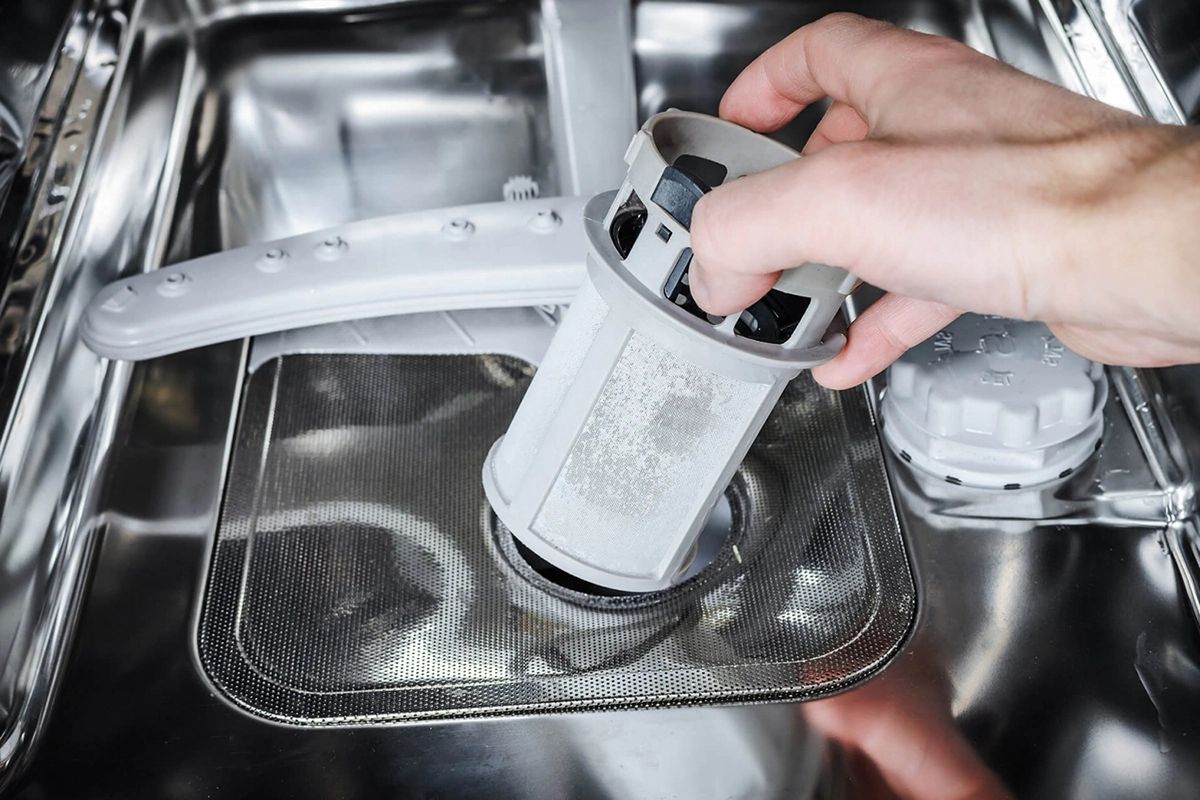
A clogged drain system can also lead to leaks. When the filter or drain hose becomes blocked with grease, food, or debris, the dishwasher cannot empty properly. This forces water to back up inside the tub, eventually leaking from seams or the bottom.
How to fix it:
- Remove and clean the filter at the base of the unit.
- Check the drain hose for kinks or buildup.
- Run a cleaning cycle with dishwasher cleaner or vinegar to clear internal buildup.
If the dishwasher leaks when not in use, residual water trapped in the drain hose may slowly seep out through these clogs.
8. Faulty Float Switch or Inlet Valve
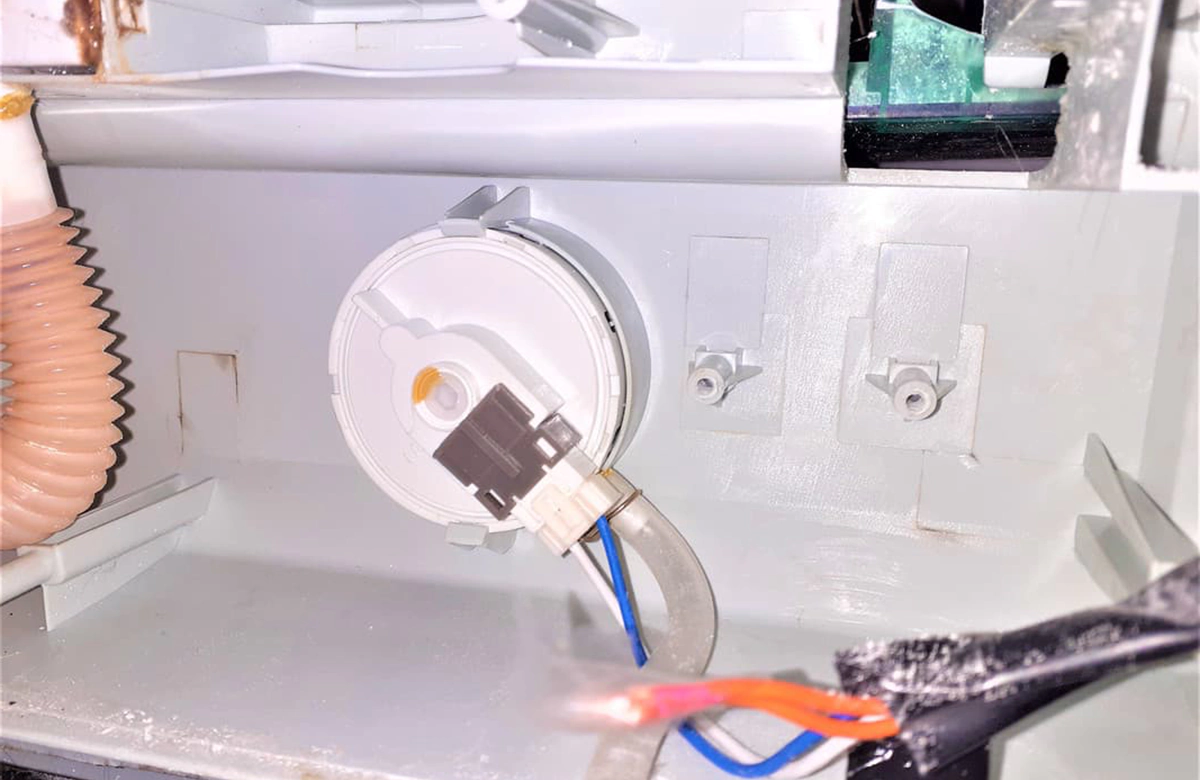
The float switch regulates how much water enters the dishwasher. If it fails, the machine can overfill and spill from the bottom. Similarly, a malfunctioning inlet valve might continue to let water in even after the tub is full, leading to an overflow situation.
Fix:
- Open the dishwasher mid-cycle and check if water levels are higher than normal.
- Ensure the float moves freely and isn’t jammed by debris.
- Replace a faulty float switch or inlet valve as needed.
These electrical components can sometimes cause dishwasher leaking water when not in use, especially if the valve doesn’t close fully.
9. Internal Tub Damage
Though less common, cracks in the internal tub can cause dishwasher leaks from underneath. These cracks might develop in older models or when sharp utensils puncture the lining.
What to do:
- Inspect the bottom and sides of the tub with a flashlight.
- Small cracks may be sealed with special dishwasher-safe epoxy.
- If the tub is severely damaged, replacement is usually the most reliable long-term solution.
10. Professional Repair or Replacement
When the above steps don’t solve the issue, the problem may involve multiple components. At this point, many homeowners ask, “Can a leaking dishwasher be repaired?” — and in most cases, the answer is yes. A skilled technician can replace gaskets, valves, or hoses at a fraction of the cost of a new appliance.
However, if the unit is more than 10 years old or repairs exceed half the price of a replacement, investing in a new dishwasher may be more practical.
Professional services like POM Plumbing specialize in diagnosing and repairing dishwasher leaks safely and efficiently. Their experts can quickly determine the reasons a dishwasher leaks, fix the problem, and help you prevent future issues through proper installation and maintenance.
How to Prevent Dishwasher Leaks
Regular maintenance is the most effective way to prevent a dishwasher leak and reduce the risk of dishwasher leaking water. The table below outlines simple maintenance tasks that can help keep your dishwasher in good working condition.
| Maintenance Task | How It Helps Prevent Leaks |
| Clean the filter regularly | Prevents drain blockages that can cause water to overflow. |
| Inspect the door gasket | Ensures the door seals properly and prevents water from escaping. |
| Check hoses and connections | Identifies cracks, loose fittings, or wear before they begin leaking. |
| Use the correct dishwasher detergent | Reduces excess suds that can force water past the door seal. |
| Avoid overloading the dishwasher | Allows spray arms to rotate freely and prevents water from being redirected outside the tub. |
| Clean the spray arms | Maintains proper water flow and helps prevent pressure-related leaks. |
| Tighten loose fittings | Helps stop minor drips before they become a larger dishwasher leak. |
| Schedule periodic inspections | Detects worn components early, reducing the likelihood of dishwasher leaking water unexpectedly. |
Regular inspections and routine maintenance can extend the life of your dishwasher while minimizing the risk of leaks, water damage, and costly repairs.
Final Thoughts
A leaking dishwasher shouldn’t be ignored. Even a slow dishwasher dripping water can lead to long-term floor damage, mold growth, or electrical hazards. Regular cleaning, correct loading, and prompt maintenance are the best defenses against leaks.
If you notice your dishwasher leaking from the bottom, dripping from the door, or pooling water in the basement, don’t wait for the damage to worsen. Contact POM Plumbing for professional diagnosis and repair. Their team provides reliable solutions for homeowners across Toronto and the GTA, ensuring your kitchen stays safe, dry, and fully functional.
Frequently Asked Questions
A dishwasher leaking from the bottom is often caused by a worn pump seal, loose hose clamp, or blocked drain line. As the dishwasher runs, high-pressure water circulates through the pump, and any weak point allows moisture to escape underneath the unit. In some cases, mineral buildup around the drain pump or a cracked sump housing can also be responsible. The best way to confirm the source is to remove the bottom panel and check for moisture after a short cycle. If you’re unsure, contact a licensed technician who can pressure-test the seals and inspect for internal damage.
If you notice your dishwasher dripping water when not in use, the inlet valve is likely defective or stuck partially open. This valve controls the water supply, and if it fails, a slow trickle can fill the base pan even when the machine is off. In some cases, high water pressure in your home can also force a small backflow into the dishwasher line. To fix this, shut off the water supply and observe whether the dripping stops. If it does, replacing the inlet valve will solve the issue. Installing a water hammer arrestor or pressure regulator may also prevent future leaks caused by pressure surges.
In most cases, a leaking dishwasher can be repaired, especially if the issue involves gaskets, hoses, or valves. These are affordable components that can be replaced quickly. However, if the leak comes from the stainless-steel or plastic tub itself, repairs are rarely permanent. If your dishwasher is more than 10 years old or the repair cost exceeds half the price of a new model, replacement is the better long-term option. A plumbing professional can evaluate whether the leak is mechanical or structural and recommend the most cost-effective solution.
The most frequent reasons a dishwasher leaks include a damaged door seal, loose or cracked hoses, worn pump gaskets, detergent overuse, and blocked drains. Improper installation, such as an unlevel dishwasher or a kinked drain hose, can also cause leaks to appear over time. Even something as simple as using too much dish soap can lead to suds overflow, forcing liquid out through vents and seals. Regular maintenance, proper loading, and professional inspection every few years can help avoid these issues.
No — running a dishwasher that’s dripping or leaking slightly is not safe. Even small amounts of moisture under the unit can reach electrical components, increasing the risk of short circuits or corrosion. Water can also seep into flooring, baseboards, or cabinets, leading to mold growth. If you notice any leak, unplug the dishwasher, turn off the water supply, and investigate the source. Continuing to use a leaking appliance can turn a simple repair into a much larger restoration job.
When your dishwasher is leaking from underneath, start by disconnecting power and water supply to avoid electrical hazards. Gently pull the appliance forward and look for visible moisture near the pump, hose joints, or floor pan. If you see standing water, dry it completely and then run a short cycle while observing the area. This will help you pinpoint whether the leak occurs during filling, washing, or draining. Document what you see — that information helps professionals like POM Plumbing diagnose the problem faster and recommend the right repair.
A dishwasher leaking in the basement usually means that water from a kitchen leak is seeping through gaps in the subfloor or plumbing cutouts. Persistent leaks under the dishwasher can travel along the cabinet base and drip down to the lower level, appearing as ceiling stains or moisture patches. This kind of leak can be serious because it often goes unnoticed until damage is significant. Fixing the dishwasher at its source is the first step, followed by checking for drywall or insulation moisture in the basement to prevent mold or rot.
